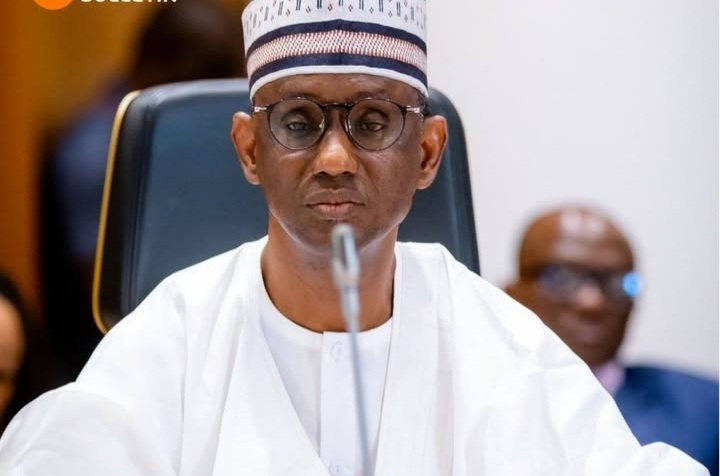
The National Security Adviser says tackling banditry requires stronger intelligence-sharing, border management, community trust and measures to prevent the recruitment of young people into criminal groups. Nigeria’s National Security Adviser, Nuhu Ribadu, has said military operations alone cannot eliminate banditry, arguing that a broader strategy is needed to address the roots and consequences of insecurity. Ribadu reportedly made the remarks through the Director of Legal Services in the Office of the National Security Adviser, Zakari Mijinyawa, at a security discussion organised in Sokoto by the Sokoto Advancement Forum in collaboration with the Centre for Peace Studies at Usmanu Danfodiyo University. His comments highlight the limitations of relying exclusively on armed operations to resolve a crisis that affects communities, livelihoods and public confidence in government. According to the report, Ribadu said banditry had evolved beyond cattle rustling, highway robbery and kidnapping. He described a situation in which armed groups could also exercise control over territory, impose illegal levies on rural communities and disrupt economic activities. Such activities can make it difficult for farmers to cultivate their land, traders to move goods and families to access education and other services. The security adviser also pointed to the cross-border dimension of the problem, noting that Sokoto’s proximity to Niger Republic and the wider Sahel region creates additional challenges for security agencies. Ribadu identified several priorities for improving the security response. These include denying armed groups safe havens, strengthening intelligence and early-warning systems, building trust between communities and security agencies, protecting agriculture and rural livelihoods, and preventing young people from being recruited into criminal networks. He also called for better coordination among security institutions and stronger action against the supply of illegal weapons and other logistical support used by armed groups. The argument is that security operations must be supported by information, cooperation and efforts to prevent criminal networks from rebuilding their capacity. Residents often possess information about suspicious movements, threats or criminal activity in their areas. However, people may hesitate to share information if they fear retaliation or doubt that authorities will respond effectively. Ribadu reportedly stressed the need to build confidence so communities can provide useful intelligence while feeling that their identities and safety are protected. He also argued that progress should be measured by more than arrests, weapons recovered or territory cleared. A meaningful improvement would include families returning to their homes, farms becoming productive again, schools reopening and local markets operating safely. Security experts and policymakers have increasingly recognised that criminal groups can exploit poverty, limited opportunities and weak public services to recruit or influence vulnerable people. Ribadu reportedly called for measures to address conditions that make young people susceptible to recruitment, alongside lawful rehabilitation programmes for eligible individuals willing to abandon violence. He also stressed that rehabilitation must not replace justice or reward criminal activity. The security situation remains a major concern for residents in affected communities and for the national economy. Banditry can discourage farming, disrupt trade, force families to flee and place additional pressure on public resources. Ribadu’s remarks suggest that a lasting solution will require both effective security operations and sustained efforts to restore public trust and economic activity. The key test will be whether the proposed combination of military action, intelligence, community participation and social intervention can produce safer communities and a durable reduction in violence.
Similar Posts
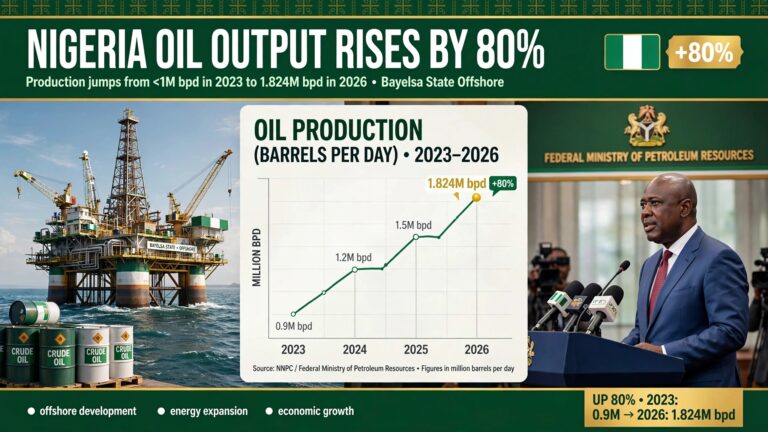
NIGERIA’S OIL OUTPUT RISES BY MORE THAN 80%
MINISTER SAYS Nigeria’s crude oil production has increased by more than 80 per cent since 2023, according to Minister of State for Petroleum Resources (Oil), Heineken Lokpobiri. Lokpobiri made the statement in Yenagoa, Bayelsa State, while discussing developments in the country’s oil and gas industry. According to the minister, Nigeria was producing less than one…
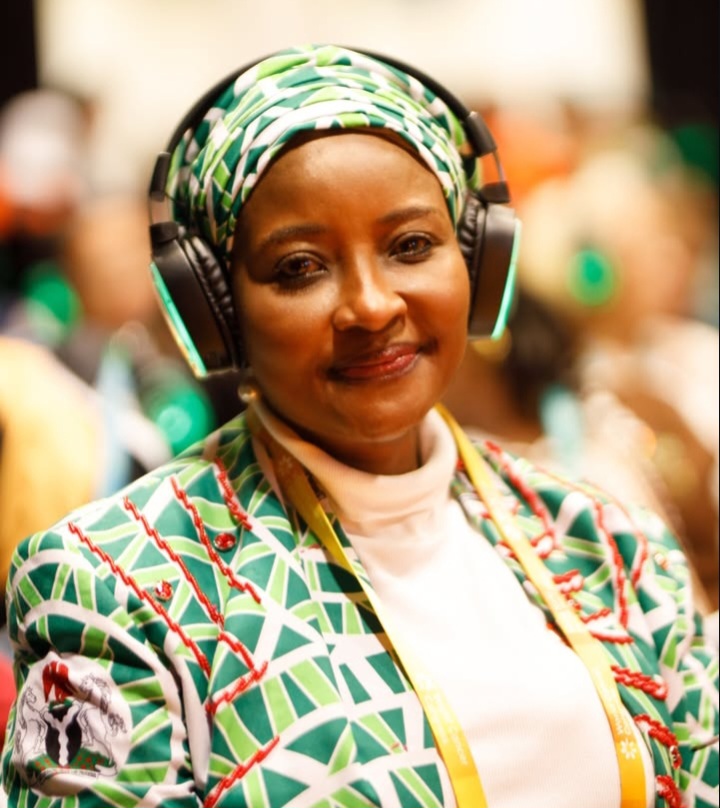
NIGERIAN DOCTOR ZAINAB SHINKAFI-BAGUDU BECOMES PRESIDENT OF GLOBAL CANCER CONTROL ORGANISATION
Nigerian paediatrician and cancer-control advocate Dr Zainab Shinkafi-Bagudu has become president of the Union for International Cancer Control for the 2026–2028 term, marking a major milestone for Nigerian representation in global cancer advocacy, Nigerian medical professional Dr Zainab Shinkafi-Bagudu has assumed the presidency of the Union for International Cancer Control, an international organisation working to…
INEC INVESTIGATES SUSPECTED AI-GENERATED PHOTOS IN PRELIMINARY VOTERS’ REGISTER
The Independent National Electoral Commission (INEC) has commenced a review of its preliminary register of voters following concerns over photographs suspected to have been generated using artificial intelligence. The development has raised questions about the verification processes used in preparing the register ahead of Nigeria’s 2027 general elections. INEC explained that the register published on…
Falana Sues Nigeria at ECOWAS Court, Demands $10m Over Alleged Rights Violations
Human rights lawyer and Senior Advocate of Nigeria, Femi Falana, has instituted proceedings against the Federal Republic of Nigeria before the Community Court of Justice of the Economic Community of West African States (ECOWAS). The case concerns alleged violations of Falana’s fundamental rights dating back several decades and involving different military administrations. According to reports…
PETER MBAH DENIES INVOLVEMENT IN WITHDRAWAL OF VENUE FOR PETER OBI’S ENUGU EVENT
Enugu State Governor Peter Mbah has denied allegations that he ordered the withdrawal of a venue booked for a political town hall meeting involving former Anambra State Governor Peter Obi and former Kano State Governor Rabiu Kwankwaso. The controversy followed reports that Amadeo Event Centre in Enugu withdrew permission for an event organised under the…
Nigeria Pushes for Bigger Role in Global AI Services
Nigeria is seeking to move beyond traditional outsourcing and position itself as a provider of higher-value artificial intelligence and technology-enabled services to the global market. The Director-General of the National Information Technology Development Agency, Kashifu Inuwa Abdullahi, highlighted the opportunity during discussions linked to the 81st United Nations General Assembly. According to him, Nigeria’s growing…