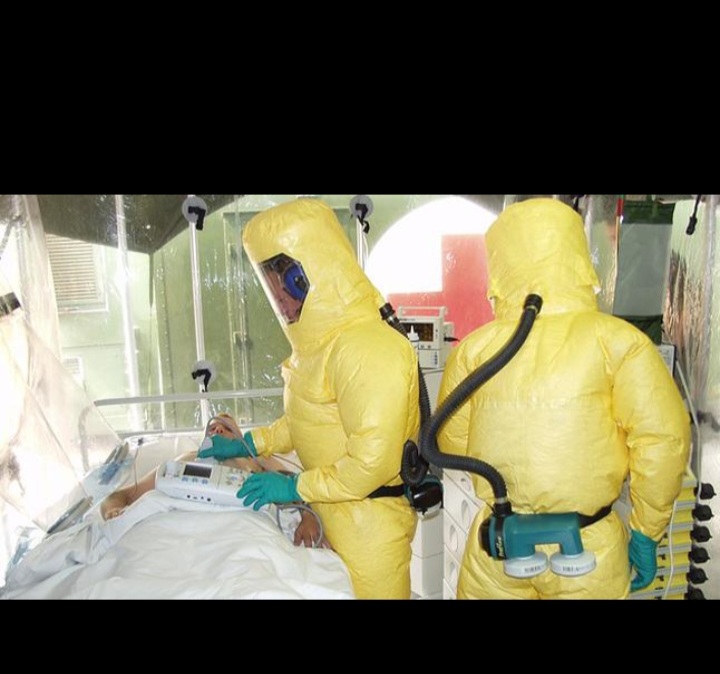
Nigeria could move towards declaring its current Ebola outbreak over by December 7, 2026, if no additional confirmed or probable cases emerge and the required public-health conditions are satisfied. The Coordinating Minister of Health and Social Welfare, Professor Muhammad Ali Pate, gave the provisional timeline following developments in the country’s response to the confirmed case of Ebola disease caused by the Bundibugyo virus. The government has stressed that the proposed date is conditional and depends on the completion and validation of the required monitoring period, the Nigeria Centre for Disease Control and Prevention has continued to coordinate the response alongside other relevant health authorities and partners. In its October 25 update, the NCDC confirmed that Nigeria had recorded one case of Ebola disease caused by the Bundibugyo virus, the patient was receiving medical care under isolation, with infection-prevention measures in place. The health authorities said their priorities included monitoring identified contacts, investigating alerts, protecting healthcare workers and preventing further transmission. On October 26, the health minister said Nigeria could potentially declare the outbreak over by December 7 if no further confirmed or probable cases were detected, the date remains provisional. Any additional qualifying case could require a new countdown under the applicable World Health Organization criteria. Ebola is a serious infectious disease that requires prompt medical attention and a coordinated public-health response, the NCDC has advised Nigerians to practise regular hand hygiene and avoid direct contact with the blood or body fluids of anyone suspected of having the disease. People who believe they may have been exposed should report the possibility promptly to public-health authorities and follow their instructions. Anyone who develops symptoms following a possible exposure should contact the relevant health authorities before visiting a healthcare facility, so that appropriate precautions can be arranged. Members of the public should also cooperate with contact-tracing teams and rely on official health updates rather than unverified social media claims, declaring an outbreak over requires more than the passage of time. Health authorities must assess whether new cases have emerged, verify the relevant monitoring period and confirm that the required criteria have been met, the proposed December date should therefore not be interpreted as a guarantee that the outbreak will end on that day, continued surveillance remains essential even when no new cases are immediately reported. Preventing further transmission requires coordinated action by government agencies, healthcare workers and the public, health authorities must maintain effective surveillance and provide timely information, while citizens should report possible exposures and avoid spreading unverified claims. Nigeria’s ability to bring the outbreak under control will depend on the effectiveness of these measures and the findings of ongoing monitoring, for now, the appropriate response is vigilance without panic.
Similar Posts
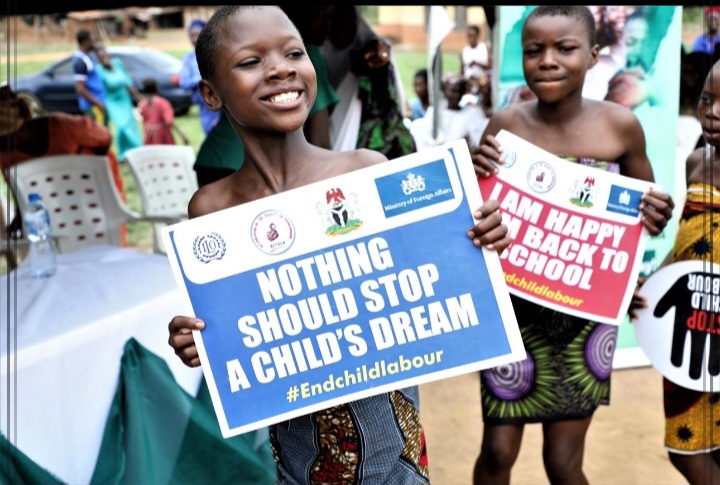
President Bola Tinubu Launches Four-Year Plan to Tackle Child Labour in Nigeria
President Bola Tinubu has launched a new four-year National Action Plan aimed at eliminating child labour in Nigeria, declaring the issue a national development priority. The plan, covering 2026 to 2030, was unveiled on Wednesday in Abuja during the National Dialogue on Advancing the Implementation of Nigeria’s National Child Labour Policy and National Action Plan….
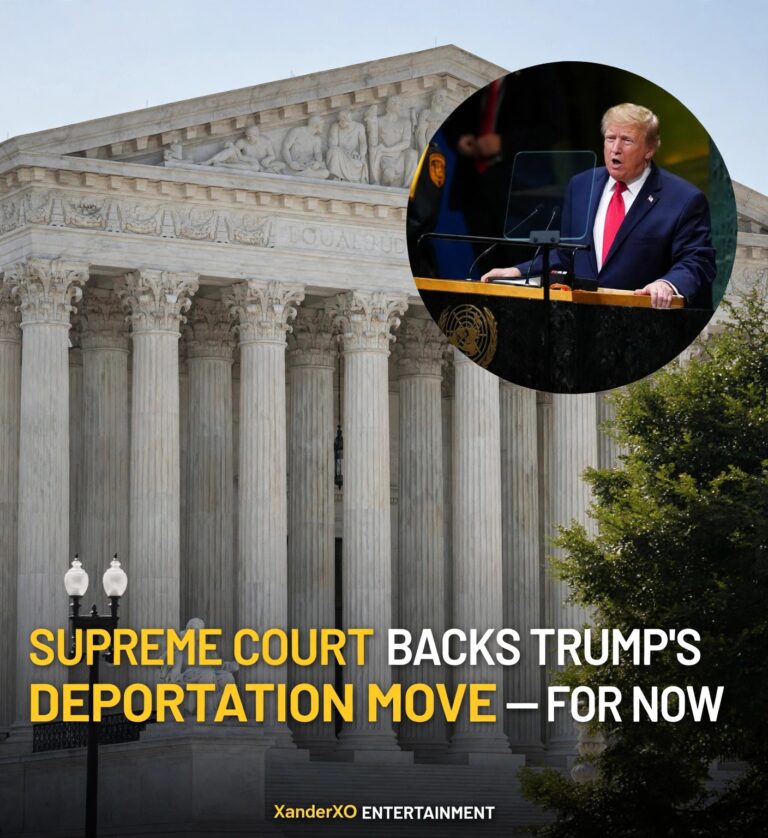
SUPREME COURT BACKS TRUMP’S DEPORTATION MOVE — FOR NOW
The United States Supreme Court has temporarily cleared the way for the administration of President Donald Trump to resume deporting migrants to countries other than their own, as a major legal battle over the policy continues. In a decision issued on Tuesday, September 29, the Supreme Court granted the Trump administration’s emergency request to put…
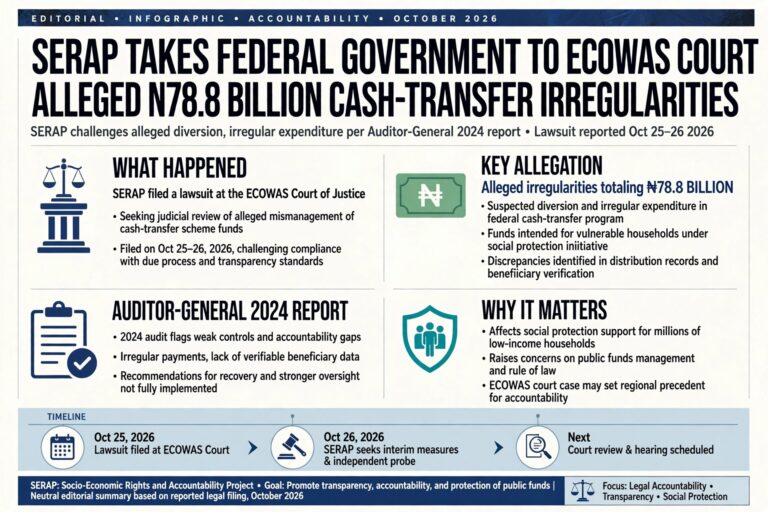
SERAP TAKES FEDERAL GOVERNMENT TO ECOWAS COURT OVER ALLEGED ₦78.8 Billion CASH-TRANSFER IRREGULARITIES
The Socio-Economic Rights and Accountability Project has taken the Federal Government to the ECOWAS Community Court of Justice over alleged financial irregularities involving more than ₦78.8 billion allocated to cash-transfer and social-protection programmes. The lawsuit, reported by Nigerian news outlets on October 25 and 26, 2026, concerns funds intended to support vulnerable households through government…
Nigerian Banks Face January 2027 Deadline to Move Payment Data Home
Nigerian Banks Face January 2027 Deadline to Move Payment Data HomeNigerian banks, fintech companies and other payment operators are facing increasing pressure as the January 1, 2027 deadline for payment data localisation approaches. The Central Bank of Nigeria has directed financial institutions and payment service providers to ensure that payment transaction data generated in Nigeria…
EKITI ROLLS OUT 15 CNG BUSES, TARGETS 50% TRANSPORT FARE REDUCTION
The Ekiti State Government has commenced the deployment of 15 Compressed Natural Gas-powered buses as part of a plan to reduce transportation costs across the state. Governor Biodun Oyebanji announced the initiative during the official flag-off of the buses in Ado-Ekiti. The state government said it was targeting a 50 per cent reduction in transport…
Troops Rescue 31 Kidnap Victims, Kill Suspected Terrorist Kingpin in Katsina and Kebbi
Troops of the Joint Task Force North-West, Operation Fansan Yamma, have rescued 31 kidnapped victims and killed two suspected terrorists, including a man identified by the military as a terrorist kingpin, during separate operations in Katsina and Kebbi States. The operations were conducted on September 14 and 15, according to the Media Information Officer of…