CHAPTER FOUR – Aba Women Riot
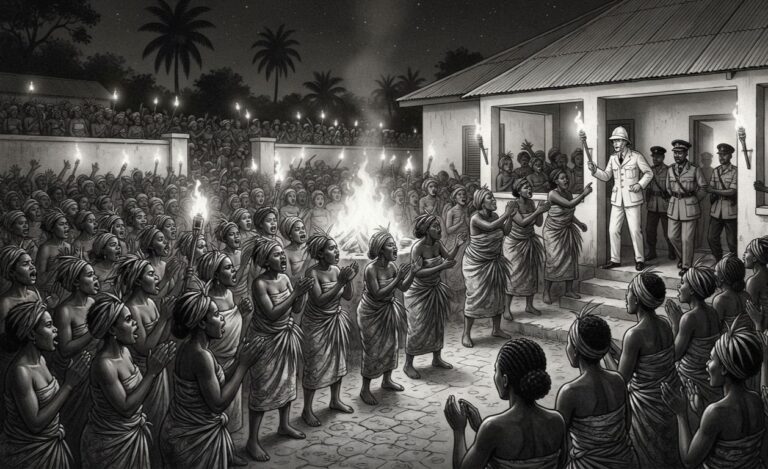
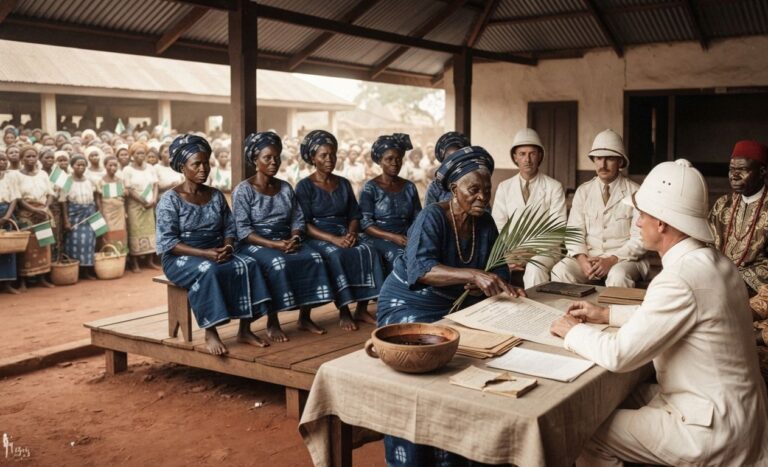
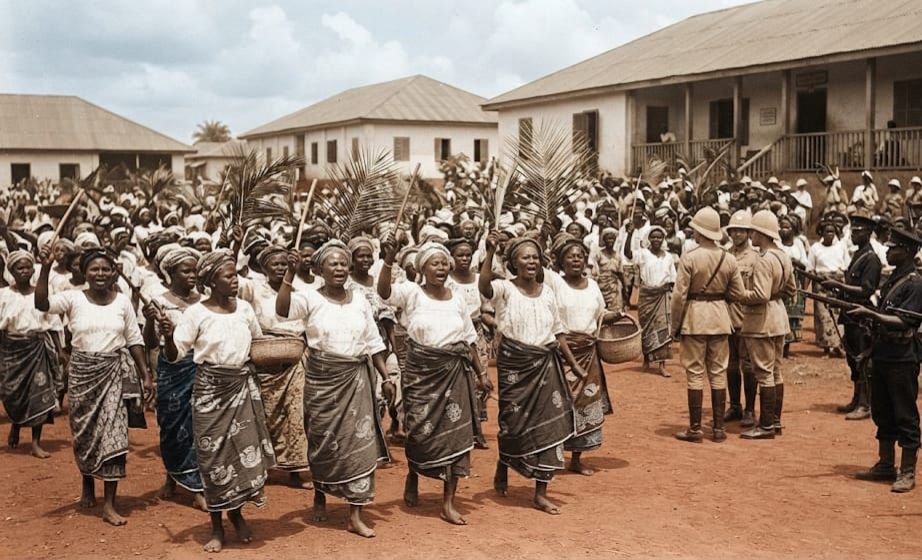
The British Empire finally did what empires always do when confronted with an unyielding demand for dignity: they resorted to mass murder.The climax of the tragedy unfolded in mid-December at Ikot Abasi and Opobo. Thousands of women had occupied the colonial administrative offices, blocking the roads and demanding written guarantees that no woman would ever be taxed. They stood barefoot in the hot sun, led by fierce local organizers like Adiaha Eboko and Udoma Esiere.The District Officer, flanked by a heavily armed platoon of colonial troops, stepped onto the veranda. The soldiers stood in a rigid line, their modern rifles aimed directly at the chests of the unarmed women. The air was tight, suffocatingly quiet.”Leave this place immediately, or we will open fire,” the officer barked.The women did not move. They did not run. Adiaha Eboko stepped forward, her eyes locked onto the barrels of the guns. She knew that retreating meant accepting a life of economic slavery for her children and grandchildren. She raised her hand, her voice cutting through the tension. “We are mothers! We do not carry guns! We carry life!”A panicked colonial officer mistook a sudden surge in the crowd for an attack. He shouted an order.The rifles erupted. A deafening volley of gunfire tore through the frontline of the crowd. Women dropped into the dirt, their white wraps instantly soaked in deep crimson. The air filled with the smell of gunpowder and the screams of the wounded.By the time the smoke cleared, approximately 55 women lay dead in the dust, and over 50 were severely wounded. The British believed the massacre would break the women’s spirit. They were wrong. The blood of the martyrs immortalized the war, provoking outrage in the British Parliament and exposing the brutal reality of colonial rule to the entire world.
Continue reading from CHAPTER FIVE