CHAPTER FIVE – Aba Women Riot
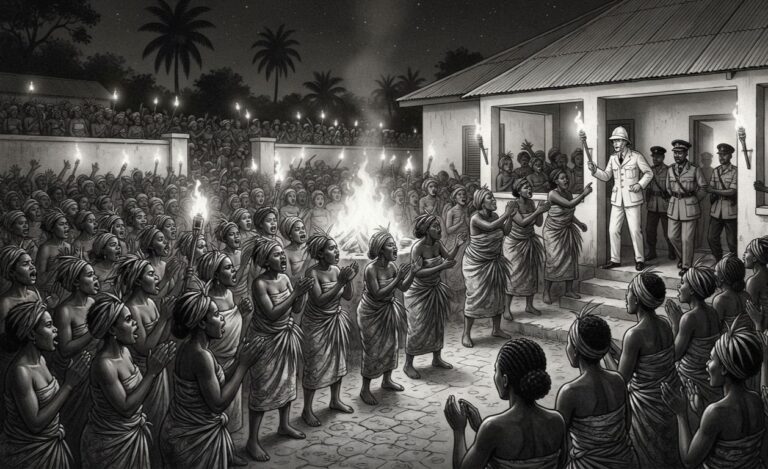
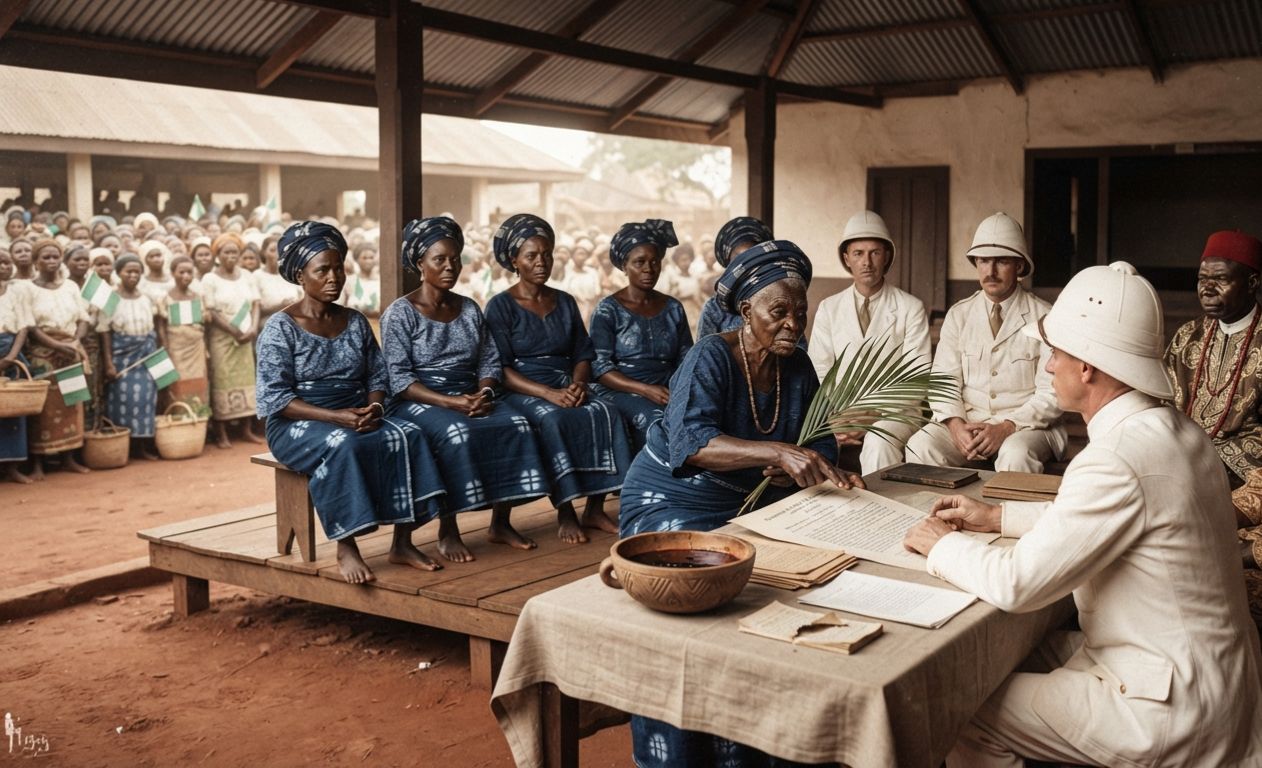
By January 1930, the colonial military patrols had suppressed the physical demonstrations, but the political battlefield belonged entirely to the women. The British had won the skirmish of bullets, but they had utterly lost the war of governance.The colonial government was forced to completely scrap its plans to tax women. The financial burden that would have destroyed families and ruined the independent market networks was permanently abandoned.More significantly, the despised Warrant Chief system was completely broken. Recognizing that they could no longer rule through illegitimate tyrants, the British dissolved the positions. Mass benches of judges were introduced, and for the very first time in colonial history, women were appointed to serve on the Native Courts, restoring their traditional political authority.The Ogu Umunwanyi (The Women’s War) became the foundational blueprint for modern African nationalism. A group of market women had organized an underground resistance across thousands of miles, brought the commercial machinery of an empire to a complete standstill, and forced the British crown to rewrite its laws.Decades later, when Nigeria finally cut the chains of colonial rule entirely, the story of the market women of 1929 was still whispered in the streets of Aba. They were never rioters, as the British textbooks tried to label them. They were the brilliant architects of a revolution—mothers who looked into the mouth of a global empire, poured palm oil on its threats, and walked away unbroken.
THE END.