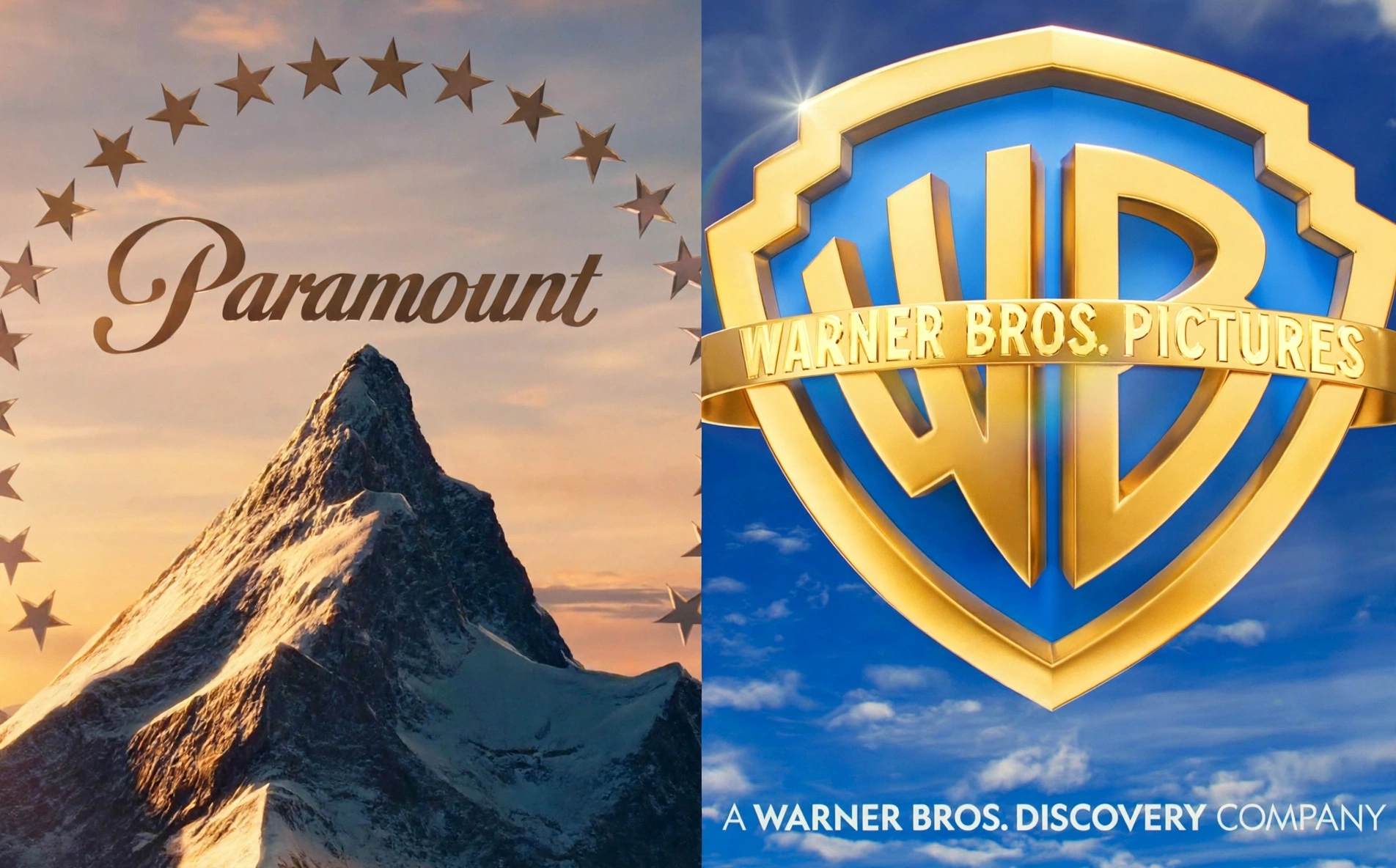
Hollywood has entered a new era after Paramount Skydance officially completed its acquisition of Warner Bros. Discovery in a deal valued at approximately $111 billion, including debt.
The transaction, which officially closed on October 6, 2026, brings together two of the most recognizable names in global entertainment under one corporate umbrella. The equity value of the acquisition is about $81 billion, with the overall transaction reaching nearly $111 billion when debt is included.
The newly combined company will operate under the name Skydance, with Paramount and Warner Bros. becoming part of a significantly larger entertainment empire led by David Ellison and co-CEO Ynon Kreiz, the former chief executive of Mattel.
The merger gives the new company control over an extraordinary collection of entertainment properties, including Warner Bros. Pictures, Paramount Pictures, HBO Max, Paramount+, CBS, CNN and numerous television and cable networks.
It also places some of the world’s most famous franchises under the same corporate roof.
From Harry Potter, Batman and Superman to Top Gun, Mission: Impossible, Star Trek and The Godfather, the new Skydance has assembled a massive library of globally recognized film and television properties.
A Major Shift In Hollywood
The significance of the deal extends far beyond its enormous price tag.
The combination brings together two of Hollywood’s historic studios at a time when traditional film companies are facing intense competition from streaming platforms and rapidly changing audience habits.
The merger effectively reduces the number of major legacy Hollywood studios from five to four, alongside Disney, Universal and Sony, further concentrating power within the entertainment industry.
For audiences, the merger could eventually mean significant changes to how major movies and television programmes are produced, distributed and streamed.
Skydance has said it plans to maintain a major theatrical presence, committing to release at least 30 films annually, alongside more than 180 television shows and series. The company is also targeting at least $6 billion in annual cost synergies within three years.
Jobs, Competition And Creative Freedom
Despite the excitement surrounding the deal, the merger has also generated concerns across Hollywood.
Critics have warned that combining two enormous entertainment companies could lead to job losses, fewer opportunities for filmmakers and reduced competition. The companies have also faced scrutiny over the potential impact of greater corporate concentration on the variety of content available to audiences.
The deal faced significant legal opposition before finally receiving the necessary approvals. A group of U.S. states had challenged the merger on antitrust grounds, but a settlement ultimately cleared the way for the acquisition to close.
The new company has also made commitments concerning the independence of CNN and CBS News, amid wider concerns about media ownership and editorial independence.
David Ellison’s Hollywood Gamble
At the centre of the historic transaction is David Ellison, the 43-year-old entertainment executive who has transformed Skydance from a relatively young production company into one of the most powerful forces in Hollywood.
After Skydance’s earlier acquisition of Paramount, Ellison turned his attention to Warner Bros. Discovery, eventually winning a year-long battle that also involved interest from Netflix.
Now, the challenge is no longer acquiring Hollywood’s biggest properties—it is successfully managing them.
With billions of dollars in debt, thousands of employees and some of the world’s most valuable entertainment brands under its control, Skydance faces the difficult task of balancing cost-cutting with continued investment in movies, television, streaming and creative talent.
The $111 billion transaction therefore represents more than a merger between two companies.
It marks one of the biggest transformations in modern Hollywood—and could reshape the way some of the world’s biggest movies, television shows and entertainment brands are created and delivered for years to come.