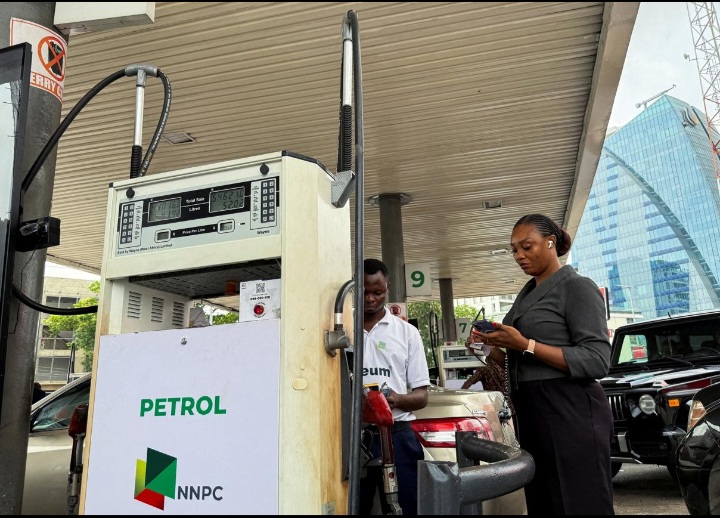
The proposed measure is intended to reduce sudden price fluctuations, but its implementation and impact on pump prices remain important questions. The Federal Government has proposed a mechanism aimed at limiting petrol cost volatility, with a target ceiling of approximately ₦1,350 per litre for petrol’s ex-gantry or landing cost. The proposal was announced by the Minister of Finance and Coordinating Minister of the Economy, Taiwo Oyedele, during a briefing in Abuja on October 8, 2026. The government said the measure was designed to reduce the impact of sudden increases in fuel costs on households and businesses. Under the proposed arrangement, refiners and fuel importers would be expected to absorb certain temporary increases in costs and potentially recover losses when market conditions improve. The proposal is subject to further arrangements and monthly reviews. Petrol prices have become a major concern for Nigerians because of their influence on transportation, food distribution, business operations and household expenses. When fuel prices increase, commercial transport operators may raise fares, while businesses that depend on generators or road transportation can face higher operating costs. Those expenses can eventually affect the prices of goods and services across the economy. For low-income households, the consequences can be particularly severe because a larger proportion of their earnings is spent on food, transport and other essential needs. The government’s proposed intervention is therefore intended to reduce the speed and severity of price increases. In a separate announcement on October 9, the Presidency said NNPC Retail had agreed to forgo its petrol retail profit margin for 30 days and sell petrol at cost. According to the State House statement, the arrangement is intended to provide temporary relief to households, particularly vulnerable consumers and commercial transport operators. The government also expressed hope that other fuel marketers would adopt similar measures. However, the announcement does not establish that every filling station across Nigeria must immediately sell petrol at the same price. Pump prices may continue to differ depending on location, supply arrangements, transportation costs and individual marketers’ pricing decisions. The effectiveness of the proposed cost ceiling will depend on how it is implemented, how losses and subsequent recoveries are calculated, and whether the arrangement can be sustained. Consumers will also want to know whether any reduction in wholesale costs translates into lower pump prices. A further question is whether temporary relief will be enough to ease the broader pressure created by high transportation and living costs. For small businesses, transport workers and households already struggling with rising expenses, the most important measure of success will be the actual cost of fuel at filling stations. The government’s latest announcements signal an effort to address fuel-price volatility, but Nigerians will be watching closely to determine whether the measures deliver meaningful relief.
Similar Posts
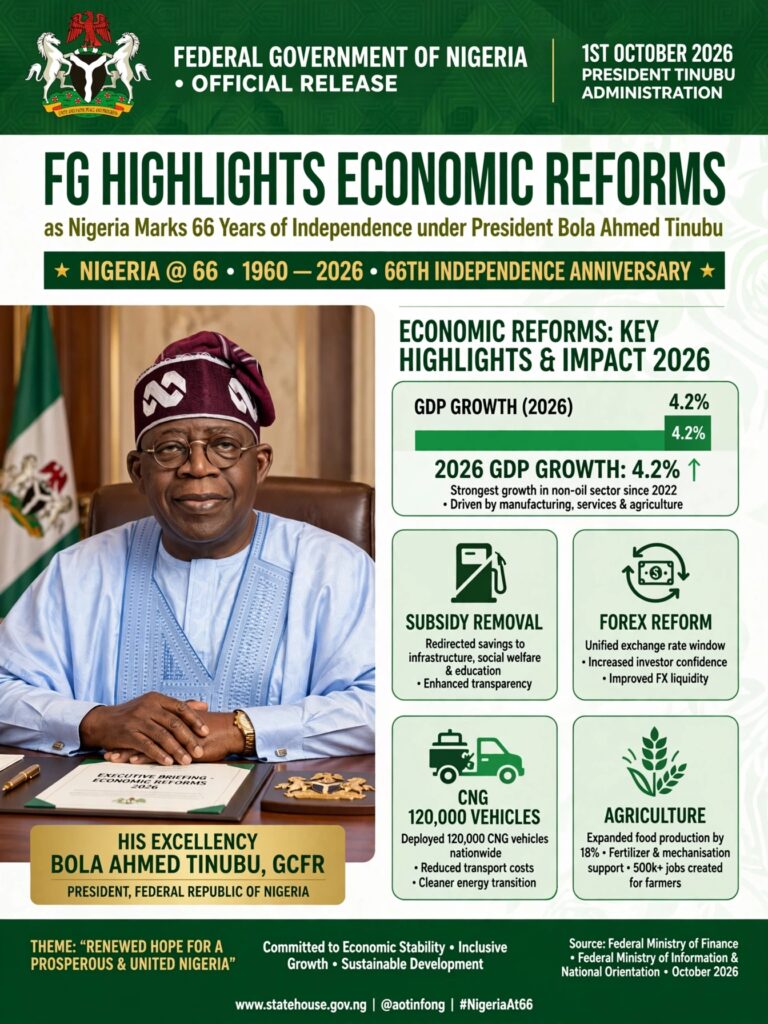
FG Highlights Economic Reforms as Nigeria Marks 66 Years of Independence
The Federal Government has highlighted economic reforms introduced under President Bola Ahmed Tinubu as Nigeria marks its 66th Independence Anniversary. Secretary to the Government of the Federation, George Akume, made the remarks on Wednesday during the 66th Independence Anniversary Public Lecture in Abuja. Akume said the administration’s reforms since 2023 were designed to address longstanding…
2027: Can Peter Obi Win Benue After His Convoy Was Blocked?
Peter Obi’s blocked visit to Benue on Tuesday has turned what should have been a humanitarian mission into a major 2027 political talking point. The NDC presidential candidate said he traveled to Yelwata in Guma LGA to mourn with families after the June 2025 massacre that claimed over 270 lives. He was also taking relief…
2027 Politics Heats Up as Presidency, Edo APC Criticise Amaechi
Political exchanges surrounding Nigeria’s 2027 general elections intensified on Thursday, October 9, 2026, following criticism from the Presidency and the Edo State chapter of the All Progressives Congress (APC) over remarks by former Minister of Transportation Rotimi Amaechi. The reactions reflect the increasingly heated debate as political actors position themselves ahead of the next presidential…
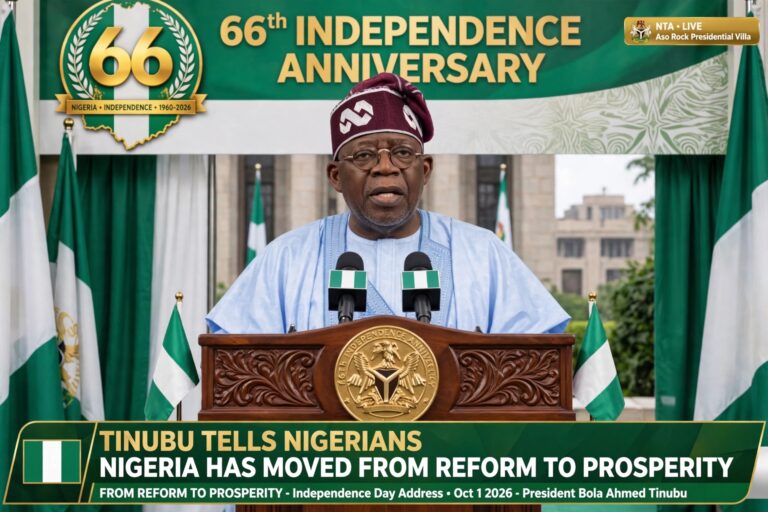
Tinubu Tells Nigerians: Nigeria Has Moved From Reform to Prosperity
President Bola Ahmed Tinubu has assured Nigerians that the country is entering a new phase of economic development, declaring that Nigeria has moved beyond the difficult period of reforms and is now focused on achieving broader prosperity. Tinubu made the declaration on Thursday, October 1, 2026, during his nationwide Independence Day address to mark Nigeria’s…
Tinubu Health Rumours Resurface: What We Know About President’s Condition
President Bola Ahmed Tinubu has once again dismissed rumours concerning his health, insisting that he is healthy and ready to continue his official duties. Fresh speculation about the President’s health has circulated on social media and in political circles, prompting renewed questions about his condition and the reason behind his extended stay in Europe. However,…
Tinubu Calls for Greater Investment in Nigeria’s Creative Economy
President Bola Ahmed Tinubu has called for increased investment in Nigeria’s creative economy, saying the country must turn the global influence of its music, film, fashion and cultural industries into lasting economic opportunities. The President made the call as attention continues to grow around Nigeria’s influence in global entertainment and culture. According to the Federal…