Political exchanges surrounding Nigeria’s 2027 general elections intensified on Thursday, October 9, 2026, following criticism from the Presidency and the Edo State chapter of the All Progressives Congress (APC) over remarks by former Minister of Transportation Rotimi Amaechi. The reactions reflect the increasingly heated debate as political actors position themselves ahead of the next presidential election. Amaechi, a former governor of Rivers State and now vice-presidential candidate of the African Democratic Congress (ADC) on the ticket of former Vice President Atiku Abubakar, spoke at an ADC town hall meeting in Benin, Edo State, where party leaders and supporters gathered to discuss the party’s vision for Edo and Nigeria. At the meeting, Amaechi said: “They are going about saying, vote Tinubu, vote Tinubu; only thieves will vote for Tinubu. In fact, I read on social media that it is in 2027 that we will know how many mad men we have in Nigeria because it is only a mad man that can vote for Tinubu. If Edo People vote for Tinubu, that means Edo people are mad. If you are not mad, Tinubu should not win here.” A separate report by TheCable quoted him as saying: “I read on social media that it is in 2027 that we will know how many madmen we have in Nigeria. It is only a madman that can vote for Tinubu”. “If you are not mad, then Tinubu should not win here.” Responding, the Senior Special Assistant to the President on Media and Publicity, Mr Temitope Ajayi, in an interview with Punch on Thursday evening, described Amaechi as: “a known careless and irresponsible talker” and “not a serious politician.” He added: Somebody who weaponised the death of his own mother, there is no extent such a person cannot go in uttering balderdash and gibberish.” Ajayi further said the former governor was a burden on the Atiku Abubakar ticket and had no electoral value in Rivers State. The Edo State APC, through its Publicity Secretary, Barrister Peter Uwadiae-Igbinigie, said in a telephone interview on Thursday that Amaechi was entitled to his opinion but that it was the Edo people who would know if they were mad or not, describing the comment as trivial. Nigeria’s next general election is expected to generate extensive debate over the economy, insecurity, employment, education and the performance of the current administration. Political figures have increasingly used town halls and media appearances to criticise opponents and present alternative positions. For many Nigerians, the key questions ahead of 2027 concern the practical results of government policies, including solutions to rising living costs, security concerns, unemployment and pressure on public services. Political criticism is a normal feature of democratic competition. However, the public benefits most when arguments are accompanied by evidence, clear policy positions and opportunities for scrutiny.

Similar Posts
NIGERIAN STOCK MARKET GAINS ₦1.75 TRILLION IN MARKET VALUE
Nigeria’s equities market reportedly added approximately ₦1.75 trillion to its market capitalisation in a recent trading session, reflecting an increase in the combined market value of listed shares. The development was highlighted in Nigerian financial news coverage published on October 28, as investors continued to monitor corporate performance, economic policy and market conditions. The reported…
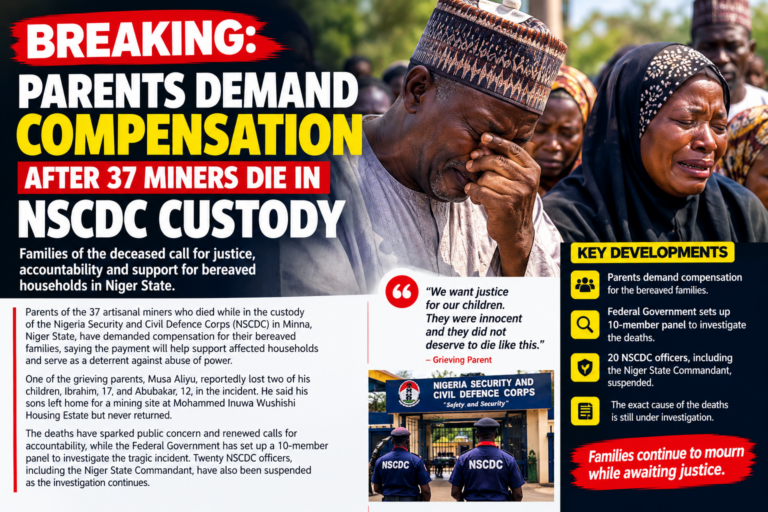
Parents Demand Compensation After 37 Miners Die in NSCDC Custody
Parents of artisanal miners who died while in the custody of the Nigeria Security and Civil Defence Corps in Minna, Niger State, have demanded compensation for the bereaved families. The parents are also calling for accountability over the deaths, which occurred after the miners were arrested and detained by the NSCDC. They said compensation would…
Nigeria Wins Seat on UN Human Rights Council for 2027–2029
Nigeria has secured a seat on the United Nations Human Rights Council for the 2027–2029 term, earning 172 votes during an election at the UN General Assembly. The result, reported on Wednesday, October 14, represents a significant diplomatic development for the country as it prepares to take on another international responsibility in January 2027. According…
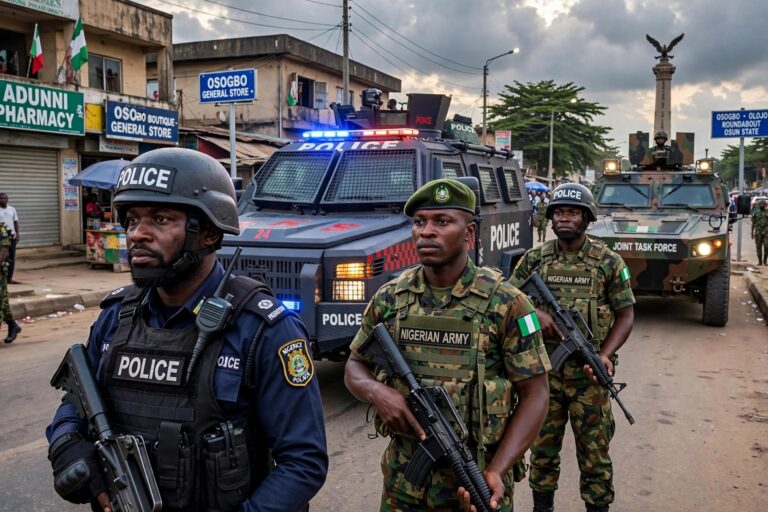
Osun Orders 24-Hour Security Alert, Sets Up Joint Task Force Amid Fresh Threats
The Osun State Government has ordered security agencies to maintain a 24-hour red alert across the state and approved the establishment of a Joint Security Task Force following recent security alerts and concerns over threats to lives and property. The decision was reached at a State Security Council meeting attended by the newly deployed Commissioner…
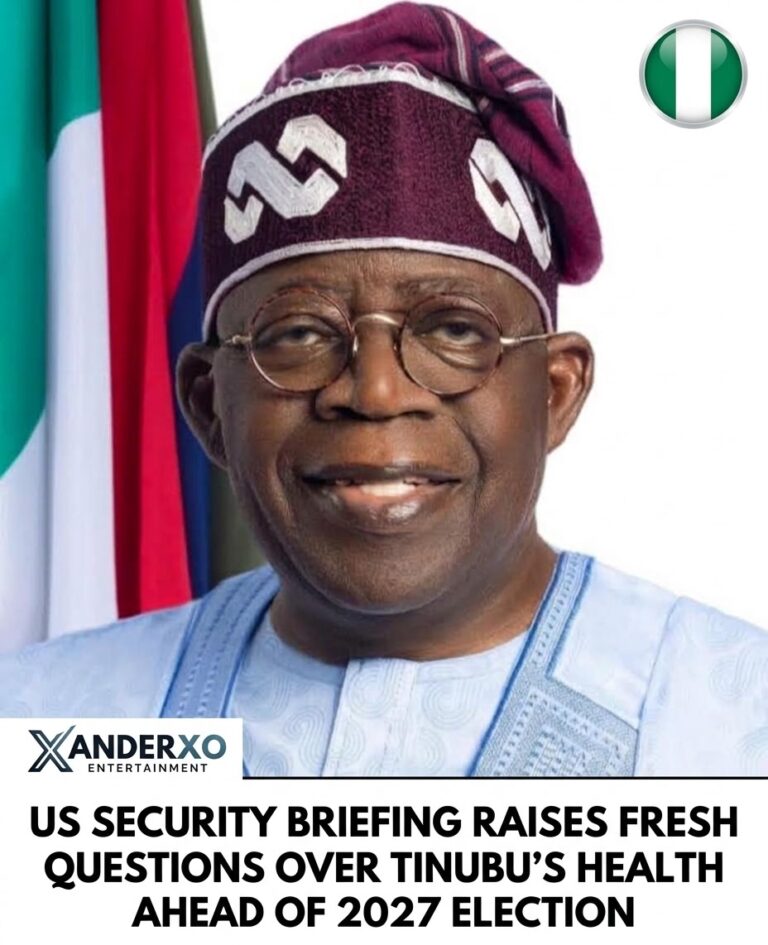
US SECURITY BRIEFING RAISES FRESH QUESTIONS OVER TINUBU’S HEALTH AHEAD OF 2027 ELECTION
Fresh questions have emerged over the health of Nigerian President Bola Ahmed Tinubu following the circulation of a security briefing attributed to Mike Arnold, a former mayor of Blanco, Texas, which reportedly raised concerns about the President’s condition and the potential political consequences of a serious health crisis. According to reports, the document was submitted…
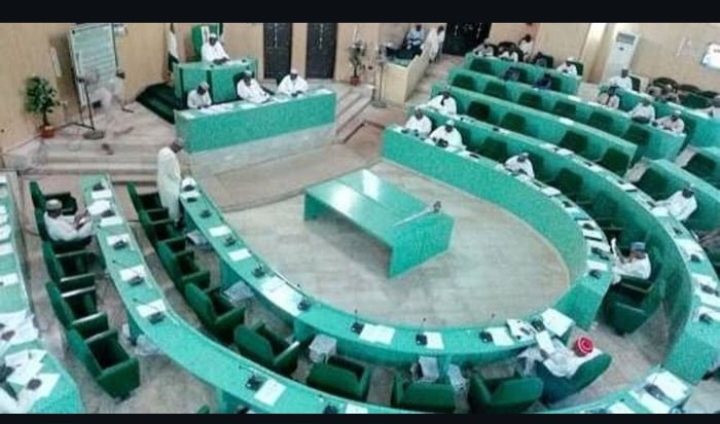
KANO ASSEMBLY PASSES BILL SEEKING CONSTITUTIONAL AMENDMENT TO ESTABLISH STATE POLICE
The Kano State House of Assembly has passed a bill seeking a constitutional amendment to enable the establishment of state police, adding to the ongoing national debate over Nigeria’s policing structure, the development represents a legislative step towards a system in which states could have their own police services, subject to the necessary constitutional and…