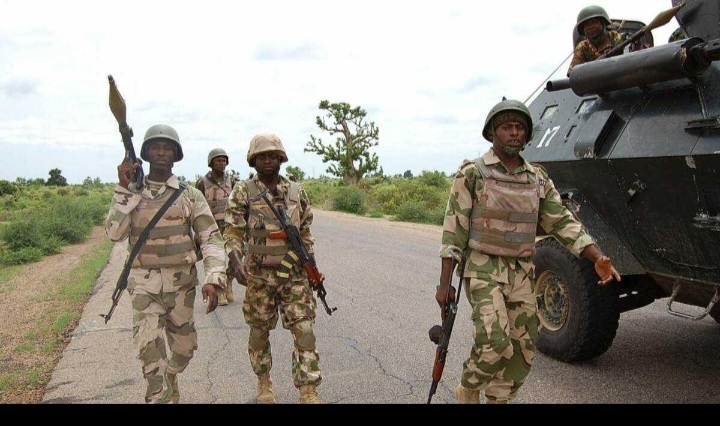
The reported attack highlights the continuing security challenges facing communities and military formations in northeastern Nigeria. At least 8 to 10 Nigerian soldiers were reportedly killed when suspected Islamic State West Africa Province (ISWAP) militants attacked a military base in Kukawa Local Government Area of Borno State. The attack, which occurred on Tuesday evening, October 6, 2026, targeted troops of the 101 Special Forces Battalion under the Joint Task Force North-East, Operation Hadin Kai. According to a statement issued on Wednesday by the Acting Military Information Officer of Operation Hadin Kai, Capt. Mohammed Goni, the militants attacked in large numbers from four different flanks in a coordinated attempt to overwhelm the base. According to reports, Nigerian troops, supported by the Air Component of Operation Hadin Kai, engaged the attackers and repelled the assault. “Supported by the Air Component, the troops overwhelmed the terrorists, inflicted heavy casualties and forced the surviving elements to flee in disarray,” Capt. Goni said. The military said preliminary assessment showed over 25 terrorists were neutralized, with 14 bodies recovered so far, and a cache of arms recovered including six AK-47 rifles and other ammunition. Military air support was involved in the counteroffensive, and follow-up operations are ongoing to track fleeing insurgents. The Army acknowledged that some soldiers paid the supreme sacrifice but did not officially disclose the number. Unofficial figures vary a senior military officer who spoke to The Associated Press said 10 soldiers were killed, while other military sources cited by SaharaReporters said at least 8 were killed. The casualty figure has not been officially confirmed. Borno State has remained at the centre of Nigeria’s counterinsurgency campaign since Boko Haram launched its violent rebellion more than a decade ago. Although military operations have weakened insurgent networks in several areas, armed groups continue to carry out attacks, including assaults on military positions and communities. ISWAP, which emerged from a split within Boko Haram, has maintained a presence in parts of northeastern Nigeria and the Lake Chad Basin. It frequently targets military bases in remote and less fortified areas to seize weapons and weaken military operations. Such incidents place military personnel at risk while also creating fear among civilians living in vulnerable communities. Beyond casualties among security personnel, attacks in northeastern Nigeria can disrupt farming, trading, transportation and other economic activities. Residents may be forced to flee their homes when fighting intensifies, while insecurity can limit access to schools, healthcare facilities and markets. Humanitarian organisations have repeatedly highlighted the difficulties faced by displaced families and communities attempting to rebuild their lives. The latest attack in Kukawa therefore raises broader questions about the sustainability of security operations and the need to strengthen protection for vulnerable populations. Nigeria’s response to insurgency involves military operations, intelligence gathering, community cooperation and efforts to address the conditions that make communities vulnerable to recruitment by armed groups. Effective coordination among security agencies is also important in identifying threats and preventing attacks on military facilities. While military action remains necessary, long-term stability will depend on restoring public confidence, supporting affected communities and creating conditions that allow displaced residents to return safely. The reported casualties in Kukawa are another reminder that the conflict in northeastern Nigeria remains unresolved.
Similar Posts
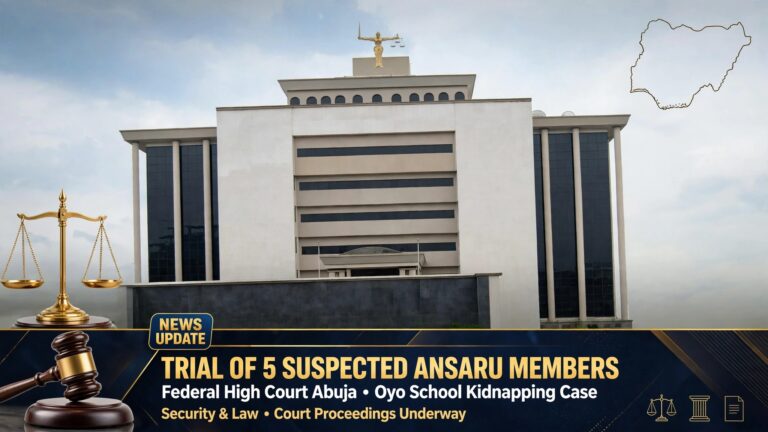
Five Suspected Ansaru Members Face Trial Over Oyo School Kidnapping
Five suspected members of the Ansaru terrorist group have been brought before the Federal High Court in Abuja over their alleged involvement in the abduction of pupils and teachers from schools in Oyo State. The defendants, Mahmud Muhammad, Abubakar Abbas, Abdulrazak Umar, Yunusa Musa and Shamsu Sani pleaded not guilty to seven terrorism-related charges filed…
VDM QUESTIONS SENATOR NATASHA OVER PURPORTED LEAKED VOICE NOTE: “IS THIS YOUR VOICE?”
Social media activist Martins Vincent Otse, popularly known as VeryDarkMan (VDM), has reacted to a purported leaked voice recording allegedly involving Senator Natasha Akpoti-Uduaghan, reigniting discussions surrounding the long-running controversy involving the senator, Senate President Godswill Akpabio and US-based activist Sandra Duru.In a video shared on social media, VDM addressed the recording after Duru released…
Army Foils Kidnap Attempt, Rescues Three Victims in Plateau
Troops of the Nigerian Army have foiled a suspected kidnapping operation in Plateau State and rescued three people who were reportedly targeted by the attackers. The incident occurred along the Sha-Daffo Road in Daffo District of Bokkos Local Government Area. According to the military, troops of Sector 5, Operation Enduring Peace, responded to a distress…
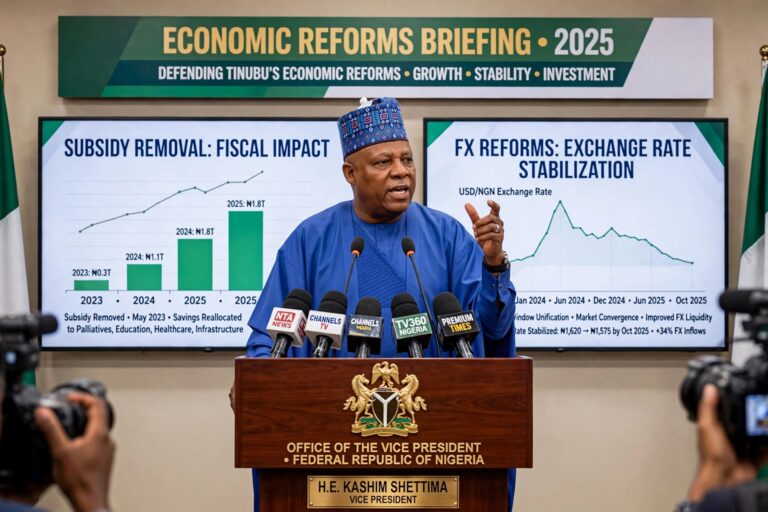
Shettima Defends Tinubu’s Economic Reforms, Says Hard Decisions Were Necessary
Vice President Kashim Shettima has defended the economic policies of President Bola Ahmed Tinubu’s administration, arguing that difficult reforms were necessary to prevent Nigeria’s economy from deteriorating further. Shettima made the remarks while discussing the government’s economic reforms and their impact on the country. The Tinubu administration has implemented several major economic policies since taking…
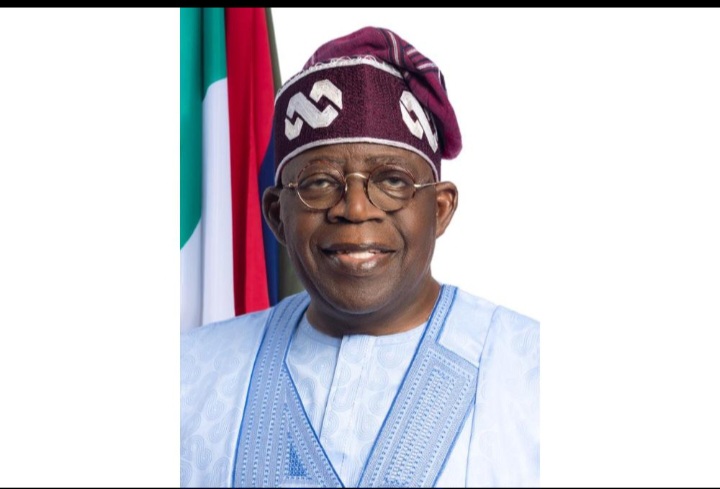
Tinubu Launches 2027 Re-Election Campaign as APC Mobilises Nationwide Support
President Bola Ahmed Tinubu has inaugurated the All Progressives Congress (APC) Presidential Campaign Council ahead of the 2027 general election, signalling the beginning of a major political mobilisation effort by the ruling party. The inauguration took place on Wednesday, October 14, 2026, at the State House Conference Centre in Abuja. The event brought together senior…
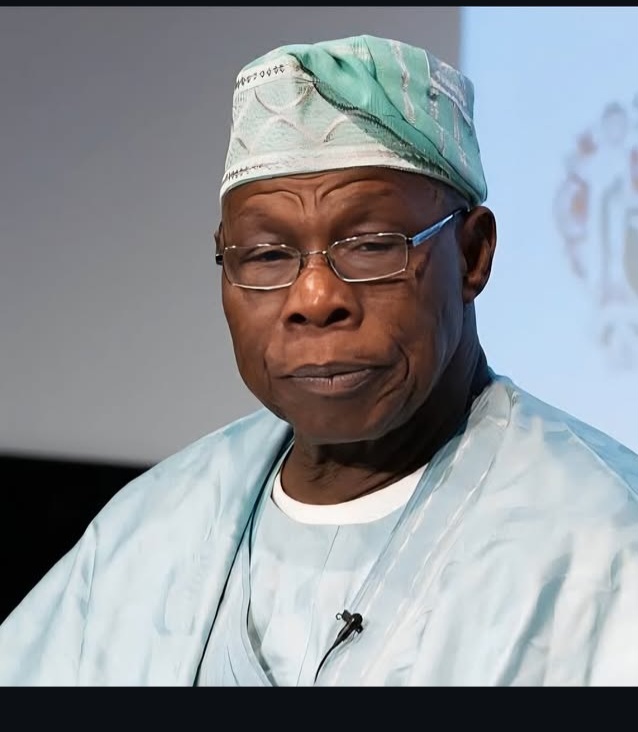
Obasanjo Calls for Greater Benefits for Oil-Producing States
Former President Olusegun Obasanjo has reportedly called for increased derivation benefits for Nigeria’s oil-producing states, bringing renewed attention to the country’s longstanding debate over resource ownership and revenue distribution. The issue is particularly important to communities in the Niger Delta, where oil production generates substantial economic activity but environmental damage, infrastructure challenges and development concerns…