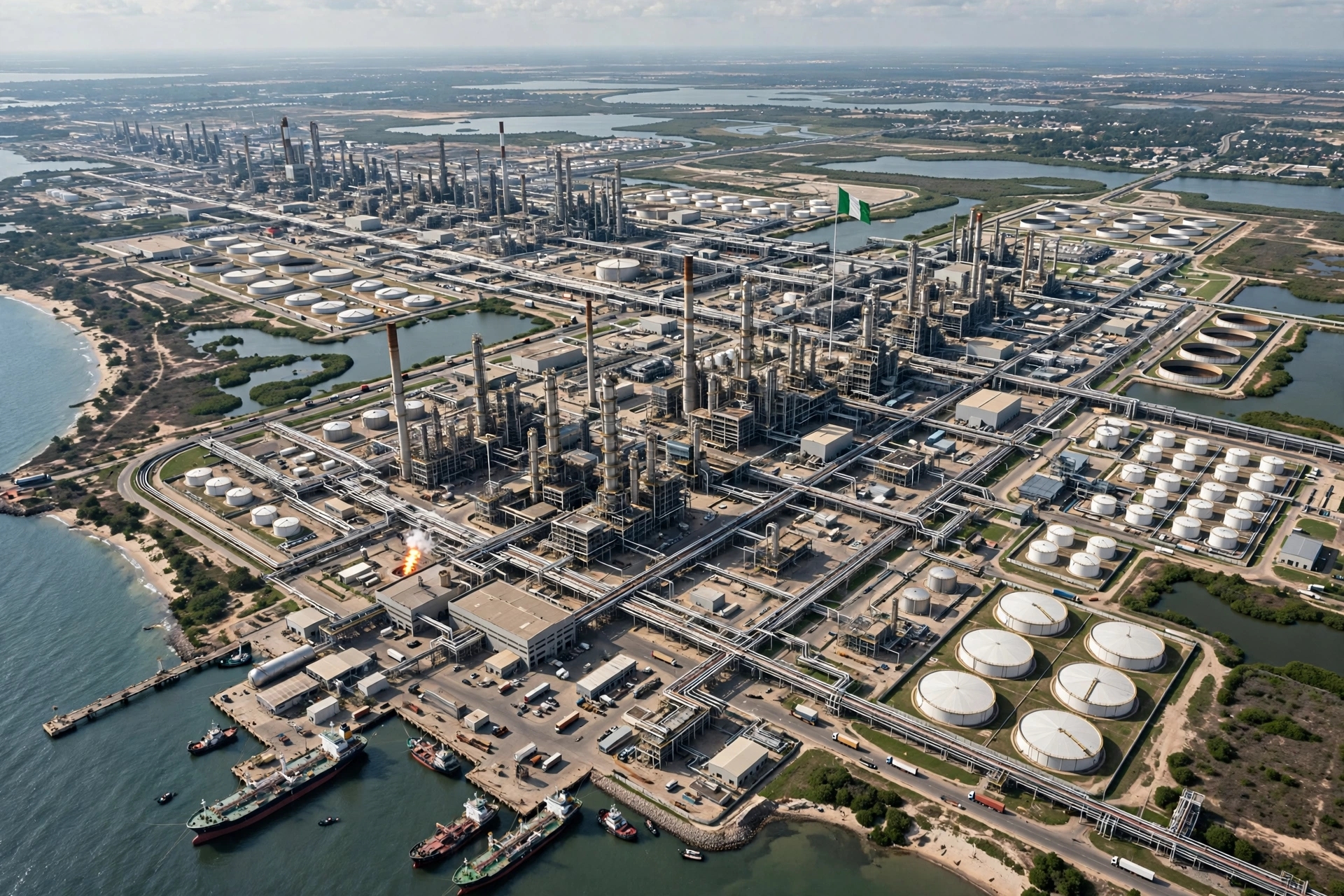
Reports concerning the financial performance of the Dangote Refinery have drawn renewed attention to Nigeria’s domestic refining capacity and the potential economic implications of expanding local petroleum production. The refinery, located in the Lekki area of Lagos State, is one of the country’s most significant industrial investments and a major development in the effort to strengthen domestic petroleum processing. Reports of a nine-month profit have generated interest in the facility’s financial performance, although the precise figure, reporting period and accounting basis should be confirmed against the company’s published financial information before being presented as established facts. Nigeria has historically relied heavily on imported refined petroleum products despite being a major crude oil producer. The development of substantial domestic refining capacity is intended to reduce dependence on imported products and strengthen the country’s ability to process crude oil locally. A refinery operating at significant scale can influence petroleum supply chains, industrial activity, logistics and investment in related sectors. However, the effects on the domestic market depend on several factors, including production volumes, product availability, pricing arrangements, distribution costs and access to crude oil. A refinery’s financial performance can provide insight into its operational efficiency and commercial prospects. However, a reported profit figure must be interpreted in context. Investors and analysts typically examine revenue, operating expenses, financing costs, production capacity, sales volumes and cash flow when assessing the performance of a large industrial facility. A profit reported for a particular period does not necessarily mean that every part of the business is operating at full capacity or that consumers will immediately experience lower prices. It is also important to distinguish between revenue, operating profit, net profit and cash generated from operations. These measures describe different aspects of a company’s financial position. A stronger domestic refining industry could provide benefits by expanding industrial activity and creating opportunities in transportation, engineering, distribution and related services. Local processing can also reduce some of the logistical requirements associated with importing finished petroleum products. However, domestic refining does not automatically guarantee cheaper fuel for consumers. Retail prices can be influenced by crude oil costs, exchange rates, taxes, distribution expenses, market competition and other factors. Consequently, any assessment of the refinery’s contribution to the economy should examine both its industrial performance and its effects on the wider petroleum market. Investors and consumers will continue to watch production levels, product availability, refinery utilisation and the financial performance of major operators. The market will also be interested in whether increased domestic refining capacity can support more predictable supply and improve the resilience of Nigeria’s energy system. Transparent financial reporting will help analysts distinguish between short-term market changes and longer-term structural improvements. The reported financial performance of the Dangote Refinery highlights the growing importance of domestic refining in Nigeria’s industrial and energy landscape. However, the significance of any nine-month profit figure depends on the underlying financial results and the period covered. Reliable financial disclosures are essential for determining what the reported performance means for the company, investors and the wider Nigerian economy. Editorial note : Verify the reported profit figure, the exact nine-month reporting period and the original financial statement before publishing numerical claims pls
Similar Posts
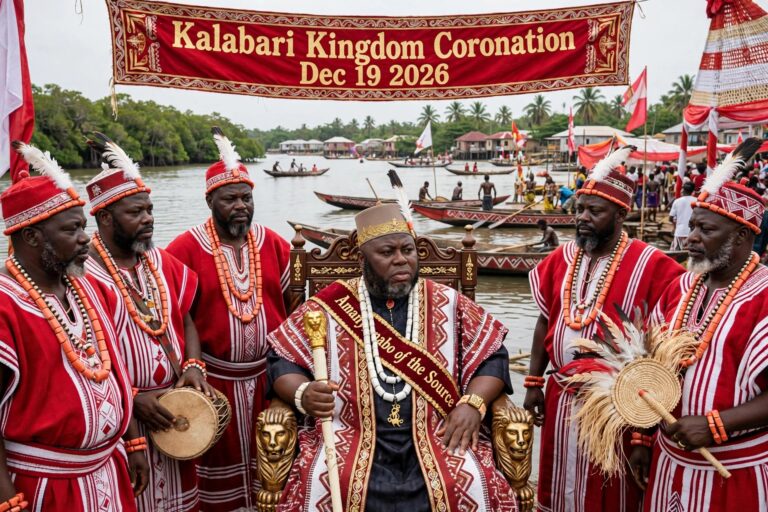
Kalabari Kingdom Begins Countdown to Dokubo-Asari Coronation
The Kalabari Kingdom has commenced preparations for the coronation of Da Amakiri Tubo, Alhaji Mujahid Abubakr Dokubo-Asari, as the Amanyanabo of the Source. A 16-unit Coronation Central Planning Committee has been inaugurated to coordinate preparations for the historic ceremony. The coronation and Se Diye ceremonies are scheduled for December 19, 2026. The committee comprises prominent…
COURT ORDERS INEC TO RECOGNISE OKOROCHA AS APC SENATORIAL NOMINEE IN IMO WEST DISPUTE
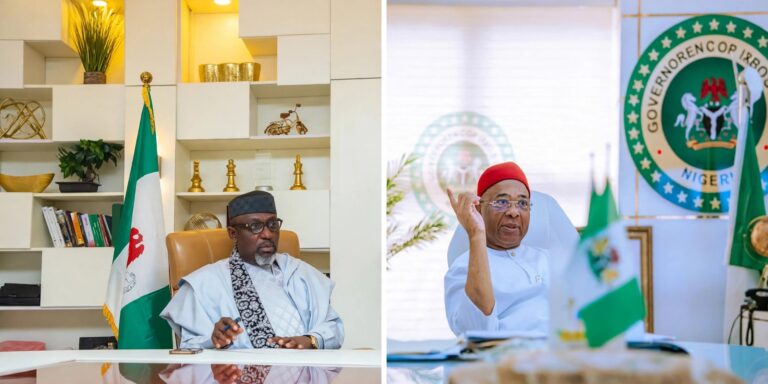
A Federal High Court has reportedly ordered the Independent National Electoral Commission to recognise former Imo State Governor Rochas Okorocha as the All Progressives Congress nominee for the Imo West Senatorial District election, in a development involving Governor Hope Uzodimma, the court found Okorocha to have won the party’s senatorial primary and directed INEC to…
ONE DONOR, HUNDREDS OF CHILDREN: DUTCH SPERM DONOR CASE SPARKS FERTILITY DEBATEA
Dutch sperm donor has become the focus of an extraordinary legal case after his donations were linked to at least 550 children, raising fresh questions about donor limits and the way fertility donations are monitored.Jonathan Meijer was ordered by a court in The Hague in 2023 to stop donating sperm to new prospective parents after…
INEC UPHOLDS 66 PETITIONS, REJECTS 64 IN REVIEW OF 2027 ELECTION CANDIDATE LISTS
The Independent National Electoral Commission (INEC) has upheld 66 petitions and rejected 64 others following its review of complaints concerning candidates listed for the 2027 governorship and State Houses of Assembly elections. The development was disclosed in a statement issued by the commission on Thursday, October 29, 2026. According to the commission, it received a…
2027: MAKINDE’S CAMP PREDICTS TINUBU COULD LOSE IN 12 STATES
The campaign organisation backing Seyi Makinde has predicted major electoral challenges for President Bola Tinubu, citing economic hardship and growing public dissatisfaction. The political contest ahead of Nigeria’s 2027 general elections has intensified after the campaign organisation associated with Seyi Makinde predicted that President Bola Ahmed Tinubu could lose in 12 states. The group, associated…
TINUBU INAUGURATED 81-KILOMETRE SECTION OF ABUJA-KADUNA HIGHWAY
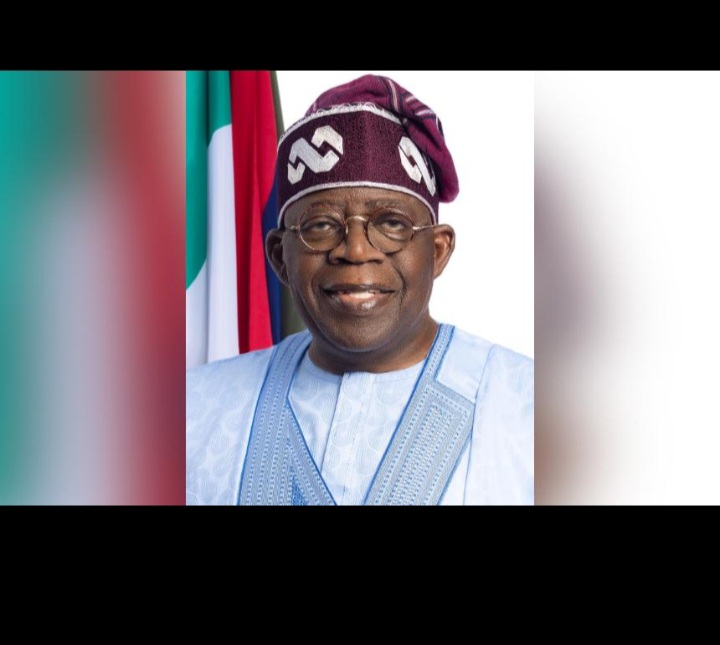
President Bola Ahmed Tinubu has inaugurated an 81-kilometre section of the Abuja-Kaduna highway as part of activities surrounding the launch of his 2027 presidential campaign in Kaduna State. The inauguration took place on Saturday, October 24, 2026, during the All Progressives Congress campaign rally at Ranchers Bees Stadium. The Presidency announced the development in a…