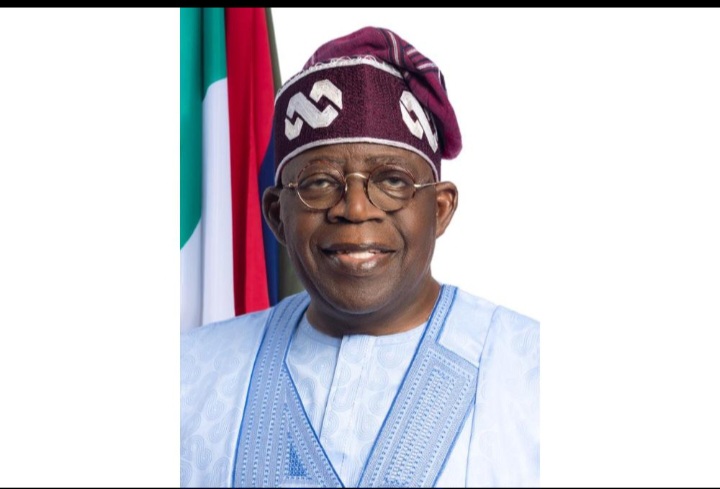
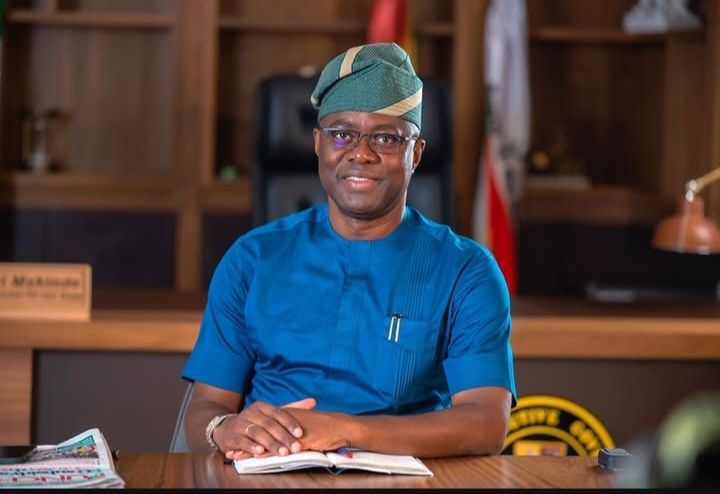
The campaign organisation backing Seyi Makinde has predicted major electoral challenges for President Bola Tinubu, citing economic hardship and growing public dissatisfaction. The political contest ahead of Nigeria’s 2027 general elections has intensified after the campaign organisation associated with Seyi Makinde predicted that President Bola Ahmed Tinubu could lose in 12 states. The group, associated with the Allied Peoples Movement (APM) presidential campaign, argued that the economic difficulties experienced by Nigerians could influence voting decisions in the next presidential election. According to a report by Naija News, the organisation made the position known in a statement issued by its Director of Strategic Communications, Richard Ihediwa. The group listed Rivers, Oyo, Kaduna, Plateau, Borno, Enugu, Bauchi, Sokoto, Delta, Kano, Adamawa and Lagos among the states where it believes Tinubu could face electoral defeat. It also mentioned the Federal Capital Territory in its prediction. The statement suggested that the President’s planned visits to some of the areas would not necessarily change voters’ attitudes towards his administration. The campaign organisation attributed its prediction largely to the cost-of-living challenges confronting households across the country. Many Nigerians have continued to express concerns about the affordability of food, transportation, housing and other essential goods and services. The group argued that these concerns could influence how voters assess the performance of the current administration when they go to the polls. It also criticised what it described as political arrogance and questioned government spending priorities, claiming that public resources had not sufficiently eased the hardship experienced by ordinary citizens. These are the campaign organisation’s political arguments and should be understood as its assessment of the situation rather than an independent measurement of voting intentions. Electoral predictions made by political campaigns are not the same as election results. Actual outcomes will depend on several factors, including the strength of the candidates, party structures, voter turnout, campaign strategies, regional interests and the issues that dominate public debate closer to election day. A state’s political history may also influence the contest, but previous voting patterns cannot conclusively determine how voters will behave in a future election. The President’s supporters could also point to government policies and programmes they believe deserve public support. The prediction highlights how economic conditions are likely to remain central to political campaigns ahead of 2027. For opposition parties, the challenge will be to convince voters that they can offer better solutions. For the ruling party, the task will include defending its record and demonstrating that its policies can deliver meaningful improvements in people’s lives. Ultimately, Nigerians will decide through the electoral process. Until then, predictions about which states Tinubu or any opposition candidate will win remain political projections, not established outcomes.
Similar Posts
APC Steps Up Preparations for Tinubu’s 2027 Re-Election Campaign
Political activities are gathering momentum ahead of Nigeria’s 2027 general elections as the All Progressives Congress (APC) intensifies preparations for President Bola Ahmed Tinubu’s re-election campaign. The ruling party is expected to inaugurate its presidential campaign council on Wednesday, October 14, as preparations for the next electoral contest continue. The development signals the beginning of…
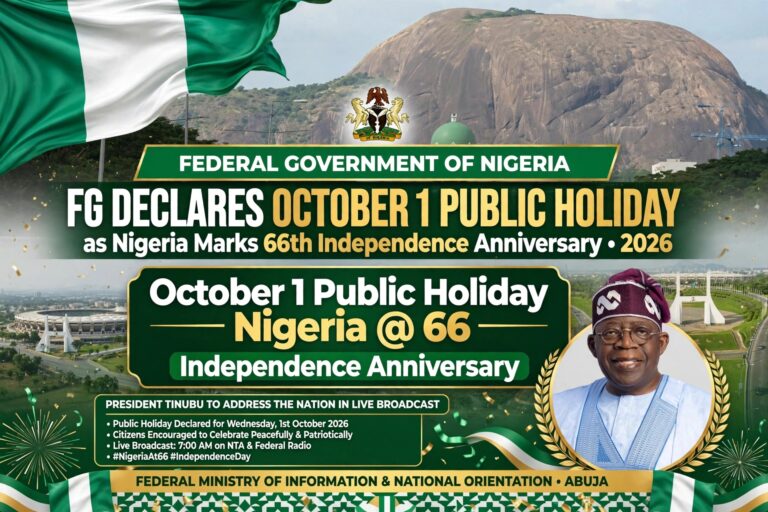
FG Declares October 1 Public Holiday as Nigeria Marks 66th Independence Anniversary
The Federal Government has declared Thursday, October 1, 2026, a public holiday to mark Nigeria’s 66th Independence Anniversary. The declaration means workers across the country will observe the anniversary as a work-free day as Nigerians commemorate the country’s independence from British colonial rule. Nigeria gained independence on October 1, 1960, making the 2026 celebration the…
Dangote Says Investor Demand for Refinery IPO Is ‘Enormous’
Businessman Aliko Dangote says investor interest in the ongoing Dangote Refinery initial public offering has been stronger than expected. Dangote disclosed the development while speaking in Nairobi, describing demand for the refinery’s shares as “enormous.” The ₦-denominated offering is part of a broader plan to raise capital for the expansion of the Lagos-based refinery. According…
NMDPRA Says It Does Not Fix Petrol Pump Prices Under PIA
The Nigerian Midstream and Downstream Petroleum Regulatory Authority (NMDPRA) has clarified that it does not fix petrol pump prices under the Petroleum Industry Act (PIA) 2021.The clarification was contained in a press statement issued by the Authority amid concerns over the recent rise in Premium Motor Spirit (PMS) prices and the financial pressure it has…
Nigeria Pushes for Bigger Role in Global AI Services
Nigeria is seeking to move beyond traditional outsourcing and position itself as a provider of higher-value artificial intelligence and technology-enabled services to the global market. The Director-General of the National Information Technology Development Agency, Kashifu Inuwa Abdullahi, highlighted the opportunity during discussions linked to the 81st United Nations General Assembly. According to him, Nigeria’s growing…
Nigeria Seeks Stronger International Partnerships to Tackle Insecurity
Nigeria is seeking stronger international cooperation to address terrorism, banditry, oil theft, cybercrime and other emerging security threats affecting the country. The Minister of Defence, retired General Christopher Musa, made the call on the sidelines of the 81st United Nations General Assembly in New York. According to the minister, Nigeria’s security challenges have become increasingly…