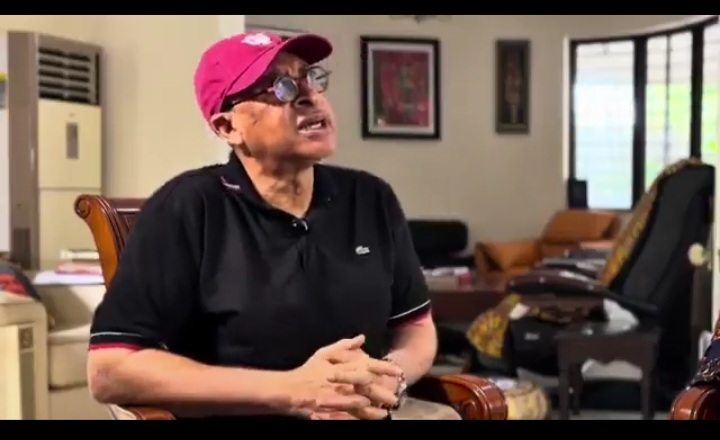
The political economist has criticised supporters who defend the ruling party despite widespread complaints about the cost of living and the challenges facing ordinary citizens. Professor Pat Utomi, a Nigerian political economist, has expressed concern over what he described as the willingness of some Nigerians to defend the All Progressives Congress government despite the difficulties confronting the population. Utomi reportedly shared his views in a Facebook post, questioning why citizens would continue to support a government they believe has made life increasingly difficult for them. His comments have added to the wider public debate about political loyalty, government accountability and the responsibility of citizens to assess the performance of elected leaders. According to reports, Utomi questioned why some Nigerians continue to defend the administration of President Bola Ahmed Tinubu when many households are struggling with the cost of basic necessities. He also recounted an encounter with an individual who reportedly suggested that Nigeria might need another 200 years to achieve meaningful progress, using the development of the United States as a point of comparison. The professor’s remarks reflected his concern about the expectations Nigerians have for their country and whether citizens are demanding enough from those in positions of authority. His argument also raises a broader question: should political loyalty prevent citizens from criticising policies that affect their daily lives? Economic hardship has remained a major subject of national discussion, with households and businesses facing pressure from the cost of food, transport, energy and other essential expenses. The government has defended its economic reforms, arguing that difficult decisions are intended to address longstanding structural problems and improve the country’s long-term economic outlook. Critics, however, have questioned whether the benefits of these policies are reaching ordinary Nigerians quickly enough. This disagreement has contributed to increasingly heated political conversations, particularly on social media, where government supporters and critics frequently clash. In a democratic society, citizens have the right to support political parties and defend policies they consider beneficial. They also have the right to question decisions made by elected officials. Political support becomes more meaningful when it is based on an assessment of performance rather than an unwillingness to acknowledge problems. Similarly, criticism of government should be supported by credible evidence and constructive arguments instead of personal attacks. Utomi’s comments have therefore renewed attention on the relationship between political loyalty and public accountability. Nigeria’s development challenges cannot be resolved through political arguments alone. They require effective policies, transparent governance, economic opportunities and public institutions capable of delivering results. As preparations for the 2027 elections continue, the performance of the government and the experiences of ordinary Nigerians are likely to remain important subjects of debate. The central question is whether political leaders can demonstrate measurable progress and whether citizens will hold them accountable for their promises.
Similar Posts
INEC Under Fire: Is Nigeria’s Electoral Referee Playing for APC?
Nigeria’s electoral referee is facing a question that could define the 2027 elections: can INEC convince millions of Nigerians that it is truly independent — or are growing allegations of political bias becoming impossible to ignore? The Independent National Electoral Commission (INEC) was created to protect the integrity of Nigeria’s elections. But as the country…
AHMED XM WARNS PUBLIC OVER HIS WIVES AND CHILDREN
Popular crypto trader and social media personality Ahmed XM has issued a warning to social media users following online discussions surrounding his marriage and family. Ahmed XM, who is married to Safiya Umar and Safeera Abba Mukhtar, spoke out after discussions about his family reportedly turned into comparisons involving his wives and children. In a…
Dangote Refinery Increases Diesel Gantry Price by ₦100 to ₦1,800 per Litre
Dangote Petroleum Refinery has increased its gantry price for automotive gas oil, commonly known as diesel, by ₦100 per litre. According to a notice from the refinery’s Group Commercial Operations, reviewed by http://Petroleumprice.ng, the price was raised from ₦1,700 to ₦1,800 per litre, effective Saturday, October 10, 2026. The adjustment represents a 5.88% increase. Customers…
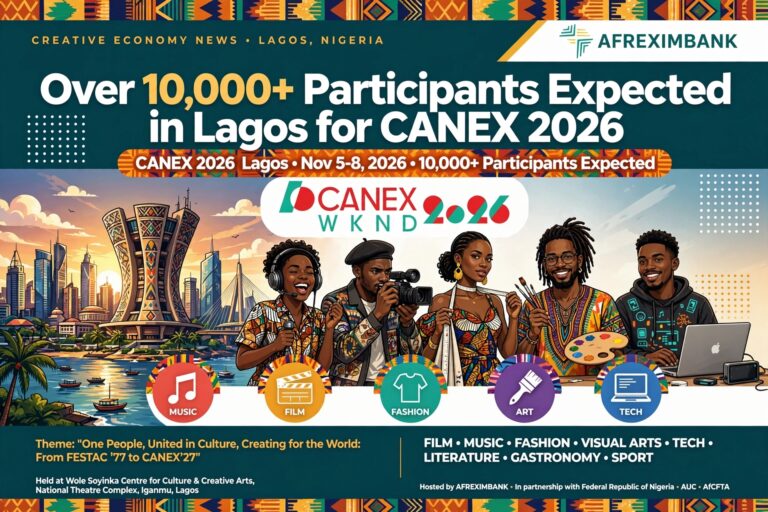
Over 10,000 Participants Expected in Lagos for CANEX 2026
More than 10,000 participants are expected to converge on Lagos for the 2026 edition of the Creative Africa Nexus, popularly known as CANEX Weekend. The major creative economy event is scheduled to take place in Lagos from November 5 to 8, 2026, bringing together creatives, investors, policymakers, entrepreneurs and other stakeholders from across Africa and…
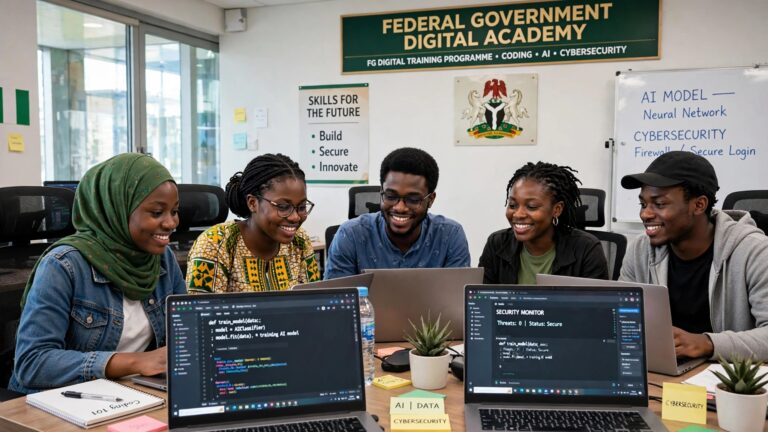
FG Commits ₦10.5bn to Digital Training Programme for 32,000 Nigerians
The Federal Government has committed more than ₦10.5 billion to a digital training programme designed to equip 32,000 Nigerians with skills and professional certifications for the global digital economy. The initiative, launched under the Nigeria Education Sector Renewal Initiative, is being implemented through a Digital Training Academy established by the Federal Ministry of Education. The…
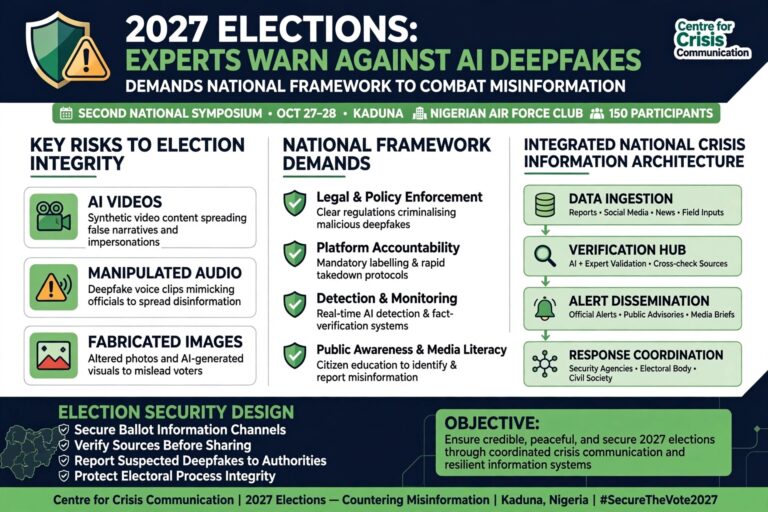
2027 ELECTIONS: EXPERTS WARN AGAINST AI DEEPFAKES, DEMANDS NATIONAL FRAMEWORK TO COMBAT MISINFORMATION
The Centre for Crisis Communication has called for the establishment of an integrated national framework to address misinformation, artificial intelligence-generated deepfakes and emerging cyber threats ahead of Nigeria’s 2027 general elections. The organisation warned that the increasing use of artificial intelligence to manipulate digital content could create serious challenges for election security, public trust and…