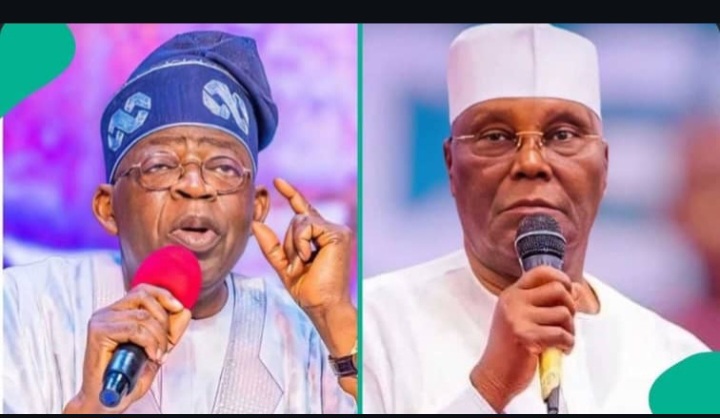
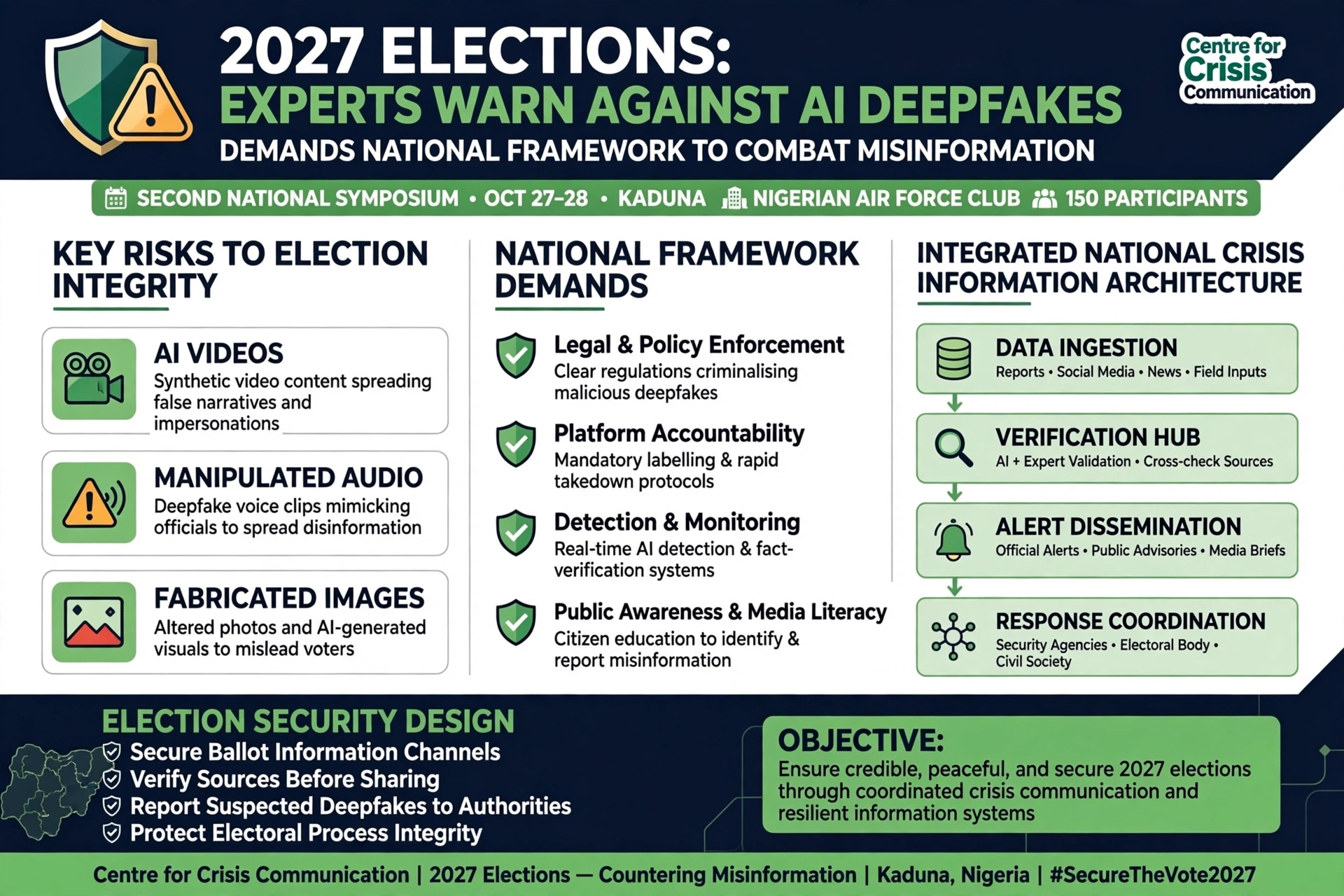
The Centre for Crisis Communication has called for the establishment of an integrated national framework to address misinformation, artificial intelligence-generated deepfakes and emerging cyber threats ahead of Nigeria’s 2027 general elections. The organisation warned that the increasing use of artificial intelligence to manipulate digital content could create serious challenges for election security, public trust and national stability, the recommendation was contained in a communiqué issued following the centre’s Second National Symposium on Crisis Communication, held between October 27 and October 28 at the Nigerian Air Force Club in Kaduna. The symposium, which attracted more than 150 participants from security agencies, emergency response institutions, academia, the media and other organisations, focused on inter-agency cooperation, public trust and cyber threat management. Participants identified poor information-sharing, institutional rivalry and conflicting public statements as major challenges affecting crisis communication in Nigeria, they warned that contradictory information from government institutions could confuse citizens, weaken public confidence and complicate emergency response efforts. The centre therefore recommended the establishment of an Integrated National Crisis Information Architecture to coordinate information-sharing and clarify the responsibilities of relevant institutions during emergencies, the proposed framework would also provide guidelines for consistent public communication while protecting sensitive operational information. Participants further called for stronger cooperation between security agencies and media organisations. They emphasised that journalists and media institutions have an important responsibility to provide accurate information during emergencies and periods of national uncertainty, the growing influence of artificial intelligence was another major concern raised during the symposium. AI-generated videos, manipulated audio recordings and fabricated images can make it increasingly difficult for members of the public to distinguish authentic information from misleading content, such technology could be exploited during election campaigns to damage reputations, spread false allegations and manipulate public opinion. The centre encouraged political actors, journalists and media organisations to strengthen digital literacy and responsible communication, the recommendations come as Nigeria prepares for the 2027 general elections, when political communication and online campaigning are expected to play significant roles. The development highlights the need for stronger cooperation among electoral institutions, security agencies, technology companies and the media, as artificial intelligence continues to evolve, protecting the credibility of public information will remain an important responsibility for Nigeria’s democratic institutions.
Similar Posts
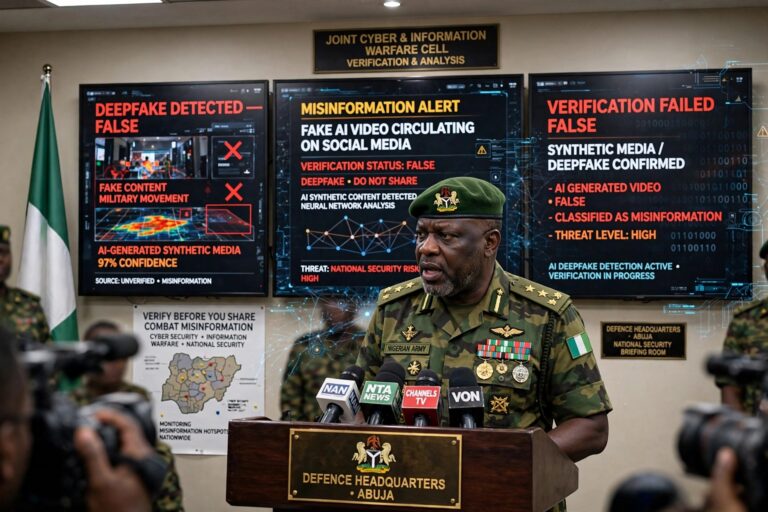
Military Chief Warns Against Fake AI Videos That Could Threaten National Security
Nigeria’s military leadership has reportedly raised concerns about the growing use of artificial intelligence to produce misleading videos that could threaten national security, spread panic and undermine public confidence in security institutions. The warning highlights a growing challenge facing governments around the world as artificial intelligence tools make it easier to generate convincing images, audio…
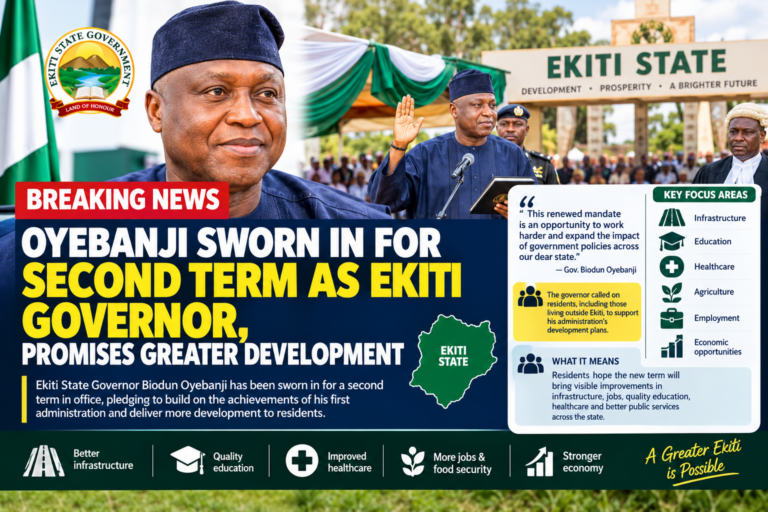
OYEBANJI SWORN IN FOR SECOND TERM AS EKITI GOVERNOR, PROMISES GREATER DEVELOPMENT
Ekiti State Governor Biodun Oyebanji has been sworn in for a second term in office, pledging to build on the achievements of his first administration and deliver more development to residents. The inauguration took place on Friday, October 16, at Ekiti Parapo Pavilion in Ado-Ekiti. According to reports from the Ekiti State Government, the ceremony…
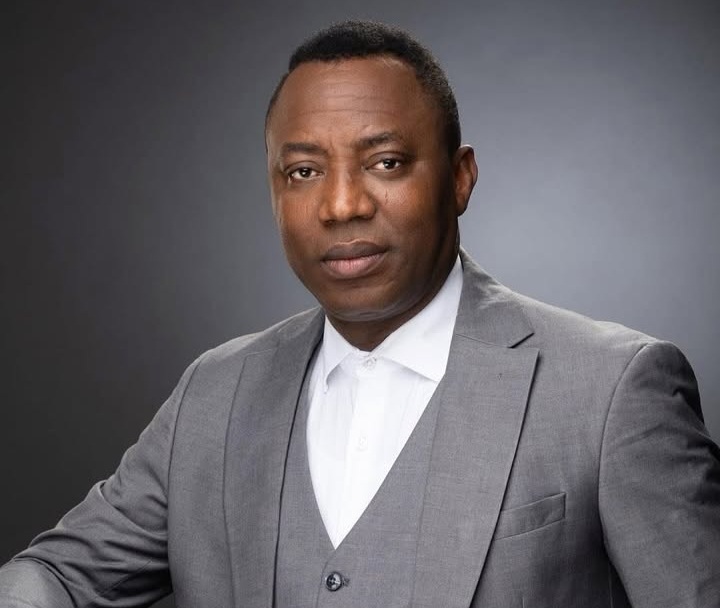
SOWORE CLASHES WITH CHANNELS TELEVISION PRESENTER OVER QUESTION ABOUT EKITI ATTACK
A television interview involving human rights activist and African Action Congress (AAC) presidential candidate Omoyele Sowore and Channels Television presenter Seun Okinbaloye has generated widespread reactions following a heated exchange between the two men, the confrontation occurred during an appearance on Channels Television. The disagreement reportedly centred on a question about the circumstances surrounding an…
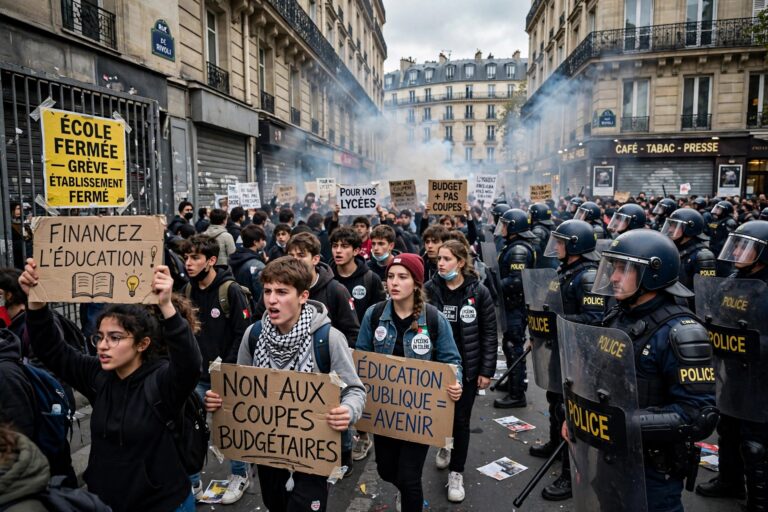
More Than 5,000 Arrested as Student Protests Shake France
France is facing a major wave of student protests over concerns about school conditions, staffing and education funding, with authorities reporting more than 5,000 arrests, many involving minors. The protests began after complaints about conditions at schools and have spread to different parts of the country. Students have raised concerns about inadequate staffing, overcrowded classrooms,…
Atiku Challenges Tinubu Over Economic Hardship as 2027 Politics Heats Up
Former Vice-President Atiku Abubakar has criticised President Bola Tinubu’s administration over economic hardship and insecurity, adding to the growing political debate ahead of Nigeria’s 2027 general elections. The criticism was issued in two linked statements on October 14 and October 15, 2026, as political parties intensify preparations for the poll. Atiku, now presidential candidate of…
APC Steps Up Preparations for Tinubu’s 2027 Re-Election Campaign
Political activities are gathering momentum ahead of Nigeria’s 2027 general elections as the All Progressives Congress (APC) intensifies preparations for President Bola Ahmed Tinubu’s re-election campaign. The ruling party is expected to inaugurate its presidential campaign council on Wednesday, October 14, as preparations for the next electoral contest continue. The development signals the beginning of…