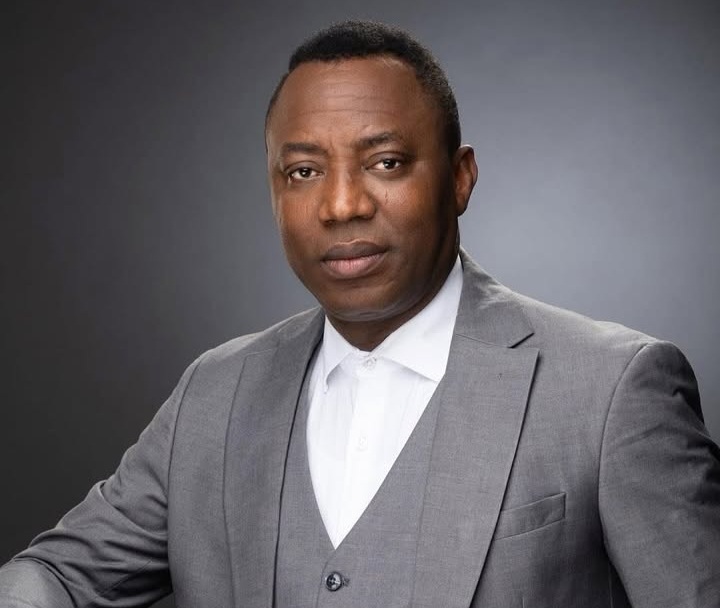
A television interview involving human rights activist and African Action Congress (AAC) presidential candidate Omoyele Sowore and Channels Television presenter Seun Okinbaloye has generated widespread reactions following a heated exchange between the two men, the confrontation occurred during an appearance on Channels Television. The disagreement reportedly centred on a question about the circumstances surrounding an attack on Sowore in Ado-Ekiti, Ekiti State. During the interview, Okinbaloye asked the activist whether he had provoked the individuals who allegedly attacked him. The question immediately generated an angry reaction from Sowore, who described it as condescending and accused the presenter of engaging in victim-blaming. Sowore reportedly responded by rejecting the question and insisting that attention should be directed towards the alleged attackers rather than questioning whether he had provoked them, he maintained that he had been attacked and beaten, arguing that asking whether he provoked his attackers shifted attention away from the alleged assault. The activist also accused security agencies of attempting to conceal evidence surrounding the incident. During the exchange, Sowore alleged that the police and the Department of State Services had seized CCTV footage that could help establish what happened during the attack. He questioned why attention was being directed towards whether he provoked his attackers instead of investigating the alleged violence. The presenter, however, attempted to explain that his question was intended to establish the full circumstances surrounding the incident, the disagreement reportedly lasted for approximately two minutes before the interview continued. The confrontation has generated different reactions among Nigerians, particularly on social media, while some viewers supported Sowore, arguing that questioning an alleged victim about provocation could appear insensitive, others defended the presenter, maintaining that journalists have a responsibility to ask difficult questions and establish the circumstances surrounding controversial incidents. The disagreement has also renewed conversations about the relationship between journalists, political figures and public accountability. The incident highlights an important issue in political broadcasting: the need to balance tough questioning with sensitivity and professional judgement. Journalists must be able to challenge public figures, investigate conflicting accounts and ask questions that help audiences understand important developments. However, the manner in which such questions are framed can influence public perception and determine whether an interview produces meaningful discussion or unnecessary confrontation. Similarly, public figures must be prepared to respond to legitimate questions, even when they disagree with the manner in which those questions are presented. Ultimately, the central issue surrounding the incident in Ekiti should be whether the alleged attack is properly investigated and whether those responsible, if identified, are held accountable.
Similar Posts
AFRICA CDC CALLS EMERGENCY MEETING AS EBOLA OUTBREAK SPREADS ACROSS COUNTRIES
The Africa Centres for Disease Control and Prevention has called an extraordinary virtual meeting of African health ministers for 28 October following the spread of Ebola and Nigeria’s confirmation of an infection in Abuja, the meeting is intended to strengthen regional coordination as public health authorities respond to an outbreak that has affected multiple countries.Nigeria’s…
WHY APC GOVS ARE NOT HAPPY WITH ME _ WIKE
The Minister of the Federal Capital Territory, Nyesom Wike, has finally opened up on why APC Governors are not happy with him. Wike made this revelation during an interview on Arise TV Prime Time on Tuesday, September 16. According to him, the problem did not start today. Wike said APC governors were unhappy from the…
State Police Proposal Hits Roadblock as Only Four States Approve Amendment
Nigeria’s long-running debate over the establishment of state police has encountered another hurdle after only four state Houses of Assembly were reported to have approved the proposed constitutional amendment. The four states are Edo, Osun, Oyo and Rivers. The National Assembly transmitted the Constitution amendment bill to the 36 state Houses of Assembly in September,…
Petrol Hits About ₦1,400 in Lagos and Abuja as Fuel Price Pressure Returns
Nigerians are facing renewed pressure at the pump as petrol prices rise to around ₦1,400 per litre in Lagos and Abuja, with some stations in northern parts of the country reportedly selling at as much as ₦1,500 per litre. The latest increase has also pushed diesel prices above ₦2,000 per litre in some locations. According…
2027 Politics Heats Up as Presidency, Edo APC Criticise Amaechi
Political exchanges surrounding Nigeria’s 2027 general elections intensified on Thursday, October 9, 2026, following criticism from the Presidency and the Edo State chapter of the All Progressives Congress (APC) over remarks by former Minister of Transportation Rotimi Amaechi. The reactions reflect the increasingly heated debate as political actors position themselves ahead of the next presidential…
Dangote Begins Construction of $16bn Refinery Project in Kenya
Nigerian businessman Aliko Dangote has begun construction of a major oil refinery project in Kenya estimated at $16 billion. The groundbreaking ceremony for the proposed refinery was held in Lamu County on Wednesday, with Kenyan President William Ruto and other regional leaders attending the event. The refinery is planned to have a capacity of about…