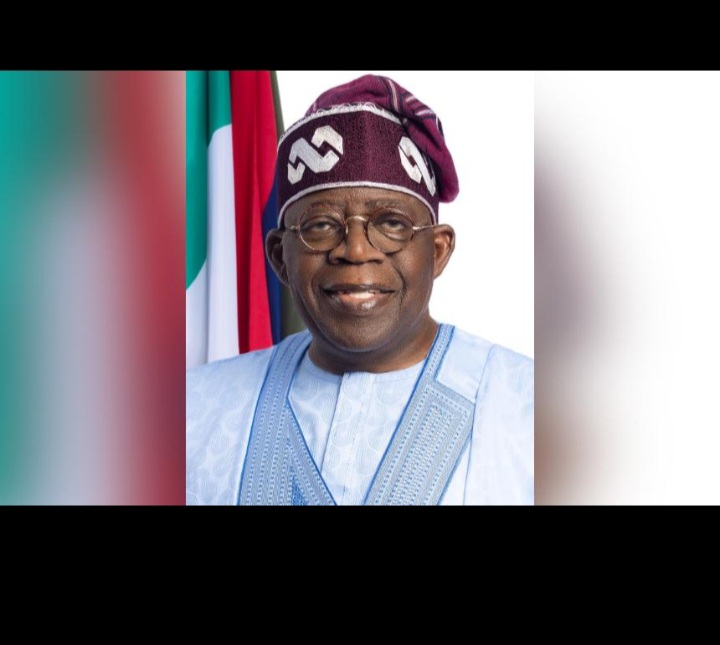
President Bola Ahmed Tinubu has defended his administration’s plans to secure additional foreign loans, arguing that long-term infrastructure investments are necessary to achieve Nigeria’s ambition of becoming a $1 trillion economy by 2030. The President maintained that borrowing should not be judged solely by the amount involved but by the economic value of the projects financed and their potential contributions to national development. Tinubu made his position known in a statement titled From Reforms to Delivery: Our Infrastructure Investment and Growth Strategy, amid growing criticism from labour organisations and opposition figures over Nigeria’s increasing borrowing, the Federal Government is seeking legislative approval for proposed external borrowing of $20.5 billion and €1.45 billion. According to the President, the proposed financing will support major infrastructure projects, including the Lagos-Calabar Coastal Highway, Sokoto-Badagry Superhighway, Trans-Sahara Superhighway, electricity grid improvements and upgrades to major commercial ports, he argued that improved infrastructure would reduce transportation costs, strengthen commercial activities, create employment opportunities and attract private investment. Tinubu also projected that the Lagos-Calabar Coastal Highway could reduce transportation costs along its route by between 15 and 20 per cent while contributing to economic growth through increased trade, tourism and industrial activities. The President further disclosed that the project could generate approximately 100,000 direct employment opportunities and more than 150,000 indirect jobs. However, the proposed borrowing has attracted criticism from the Nigeria Labour Congress, which questioned why the country continues to seek foreign loans despite increased government revenue following the removal of the petrol subsidy. NLC President Joe Ajaero argued that Nigerians deserve a clearer explanation of the government’s borrowing decisions, particularly given the additional revenue available to the Federation Account, he also questioned the justification for further borrowing amid rising international oil prices. Tinubu, however, maintained that the proposed loans would be structured around long-term repayment arrangements that correspond with the lifespan of the infrastructure projects being financed, the President also acknowledged the importance of responsible borrowing, noting that Nigeria must manage its debt obligations carefully. The debate has renewed public attention on the country’s borrowing strategy and the need to ensure that loans translate into completed projects, economic opportunities and improved living conditions. Ultimately, the success of the administration’s borrowing plan will depend not only on the funds secured but also on transparency, project execution and measurable benefits for Nigerians.
Similar Posts
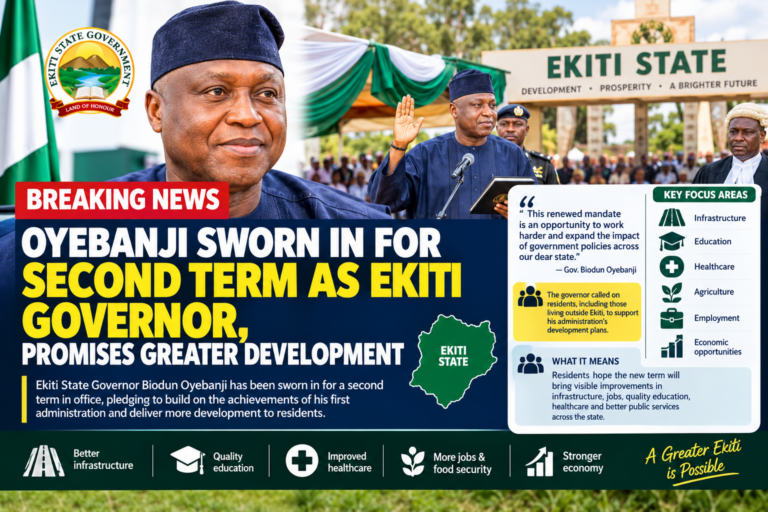
OYEBANJI SWORN IN FOR SECOND TERM AS EKITI GOVERNOR, PROMISES GREATER DEVELOPMENT
Ekiti State Governor Biodun Oyebanji has been sworn in for a second term in office, pledging to build on the achievements of his first administration and deliver more development to residents. The inauguration took place on Friday, October 16, at Ekiti Parapo Pavilion in Ado-Ekiti. According to reports from the Ekiti State Government, the ceremony…
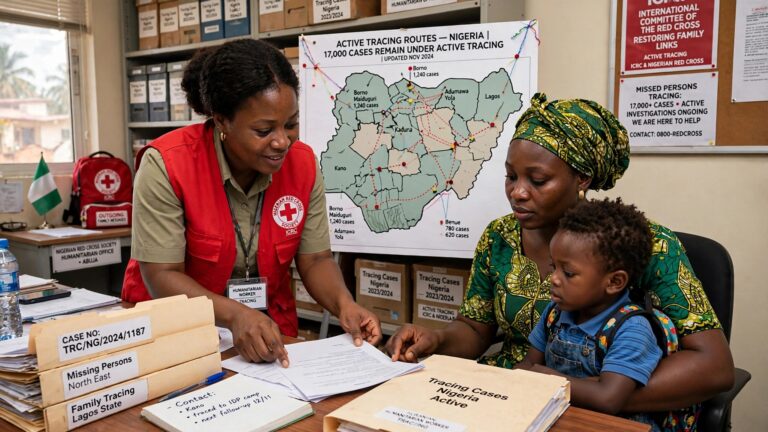
About 17,000 Missing-Person Cases Remain Under Active Tracing in Nigeria — ICRC
About 17,000 missing-person cases remain under active tracing in Nigeria, according to the International Committee of the Red Cross. The humanitarian organisation said the cases involve people whose whereabouts remain unknown, with many cases connected to armed conflict, violence, displacement and other emergencies. The ICRC said it works with the Nigerian Red Cross Society to…
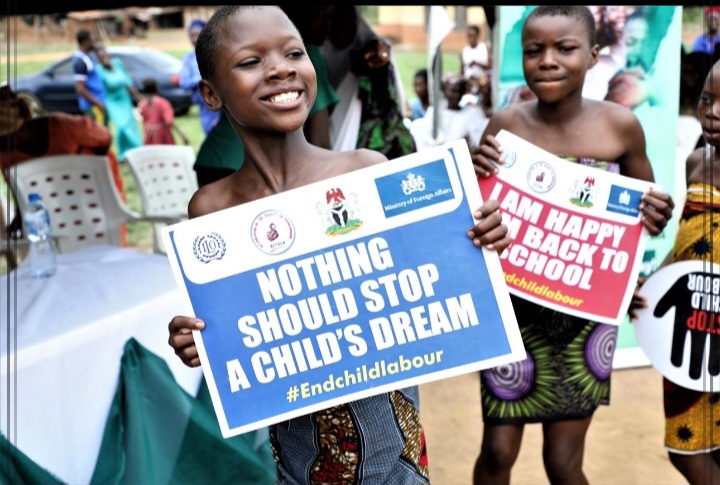
President Bola Tinubu Launches Four-Year Plan to Tackle Child Labour in Nigeria
President Bola Tinubu has launched a new four-year National Action Plan aimed at eliminating child labour in Nigeria, declaring the issue a national development priority. The plan, covering 2026 to 2030, was unveiled on Wednesday in Abuja during the National Dialogue on Advancing the Implementation of Nigeria’s National Child Labour Policy and National Action Plan….
FRANCE’S STUDENT PROTESTS TRIGGER GLOBAL MISINFORMATION CRISIS AS AI-GENERATED IMAGES FLOOD SOCIAL MEDIA
XANDERXO ENTERTAINMENT l France’s October 17 student protests have triggered a wider international debate about digital misinformation after misleading videos, fabricated photographs and artificial intelligence-generated content circulated extensively across social media platforms. An investigation published by French newspaper Le Monde has highlighted how the demonstrations were accompanied by a significant wave of false and misleading…
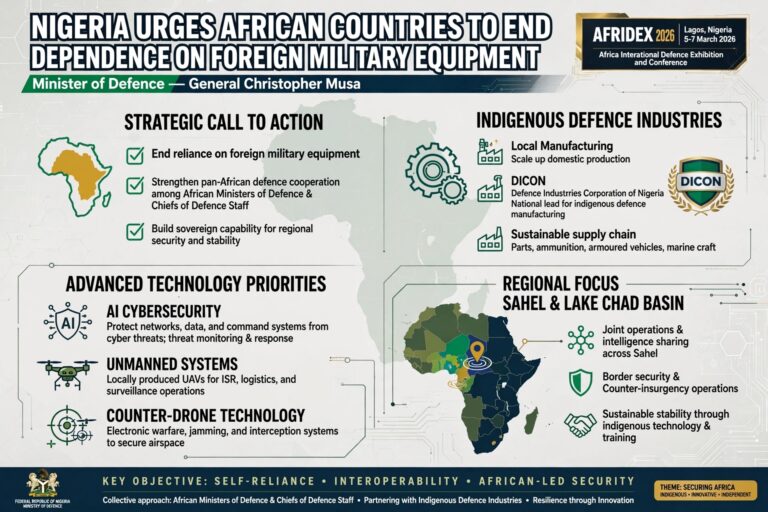
NIGERIA URGES AFRICAN COUNTRIES TO END DEPENDENCE ON FOREIGN MILITARY EQUIPMENT
Nigeria has called on African countries to strengthen indigenous defence industries and reduce their dependence on foreign military equipment as part of efforts to improve continental security. The Minister of Defence, retired General Christopher Musa, made the appeal during a strategic engagement with African ministers of defence and chiefs of defence staff at the Africa…
“Who Gave You Audacity?” – Rep Chinedu Ogah Blasts Cubana Chief Priest, Asks EFCC To Probe Him Over Gov Nwifuru Comments
A fresh political drama is brewing in the South-East after popular socialite Pascal Okechukwu, better known as Cubana Chief Priest, clashed with Ebonyi State Governor Francis Nwifuru and was hit with a fiery response from federal lawmaker Hon. Chinedu Ogah. The controversy began days ago when Cubana Chief Priest publicly called on Governor Nwifuru to…