

The University of Ilorin (UNILORIN) has once again solidified its reputation as a leading hub for innovation following the successful pilot of a low-cost bio-ethanol production method. The breakthrough, announced on Thursday, April 30, 2026, by a research team from the Department of Chemical Engineering, utilizes agricultural waste to produce a viable alternative fuel source. This development arrives at a critical time when academic institutions across Nigeria are grappling with the soaring costs of petroleum products and their ripple effects on campus logistics.
The research focuses on converting locally abundant agricultural residues—such as corn cobs, cassava peels, and sugarcane bagasse—into high-grade bio-ethanol. Through a specialized fermentation and distillation process optimized for cost-efficiency, the team has demonstrated that fuel can be produced at a significantly lower price point than conventional PMS (petrol). The pilot phase has successfully proven that this bio-ethanol can be blended with gasoline or used in modified internal combustion engines without compromising performance.
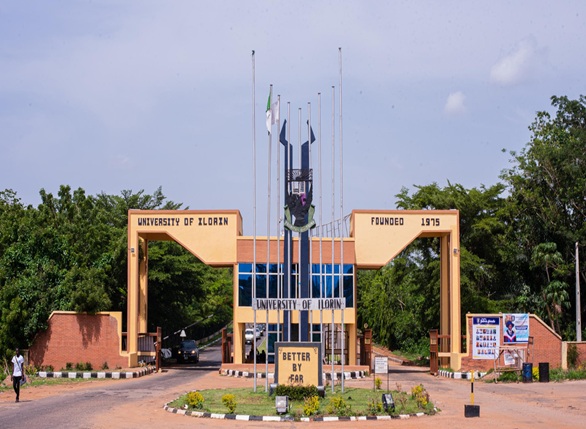
University management is reportedly exploring the immediate application of this technology to the institution’s fleet of campus shuttle buses. With fuel prices reaching record highs, the “Better by Far” university aims to shield its students and staff from the frequent hikes in transportation fares. By integrating this bio-ethanol into the campus transport system, the university could potentially reduce its operational overhead while promoting a greener, more sustainable environment.
Beyond the immediate economic benefits, the researchers emphasized that the project addresses the urgent need for environmental sustainability. By repurposing agricultural waste that would otherwise be burned or left to rot, the process reduces greenhouse gas emissions and provides a blueprint for circular economy practices within the Nigerian academic space. The team is now seeking partnerships with private investors and the government to scale up production, with the hope that this “made-in-Ilorin” solution can eventually be adopted by other universities and local governments to stabilize transportation costs nationwide.