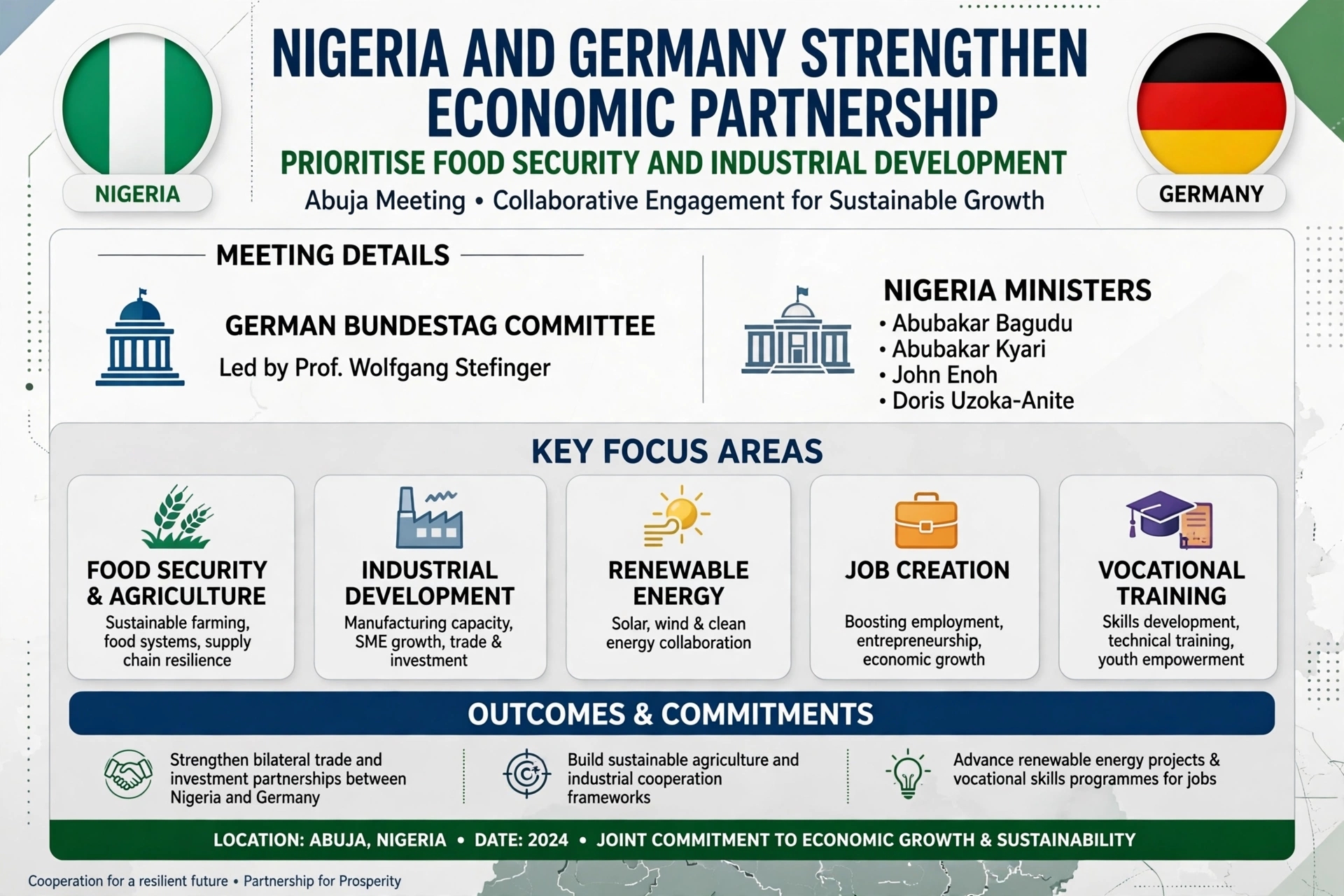
Nigeria and Germany have reaffirmed their commitment to strengthening bilateral relations, with renewed emphasis on economic reforms, food security, industrial development, renewable energy and job creation. The commitment was highlighted during a high-level meeting in Abuja between Nigerian government officials and a delegation from the German Bundestag Committee on Economic Cooperation and Development, the German delegation was led by Professor Wolfgang Stefinger, the Nigerian delegation included the Minister of Budget and Economic Planning, Senator Abubakar Bagudu; Minister of Agriculture and Food Security, Senator Abubakar Kyari; Minister of State for Industry, Senator John Enoh; and Minister of State, Doris Uzoka-Anite. Discussions focused on existing areas of cooperation and opportunities to expand economic partnerships between both countries. Nigeria emphasised the importance of international cooperation in addressing economic challenges, strengthening domestic production and creating sustainable employment opportunities. During the meeting, Agriculture Minister Abubakar Kyari reaffirmed the Federal Government’s commitment to improving food production and strengthening the agricultural sector. He highlighted initiatives aimed at expanding irrigation, reducing post-harvest losses, improving access to agricultural financing and introducing modern technologies into farming. The government also identified the need to support smallholder farmers, women and young people through mechanisation, research and agribusiness development, minister of State for Industry John Enoh highlighted the importance of manufacturing, entrepreneurship, industrialisation and digital innovation in diversifying Nigeria’s economy. The German delegation also expressed interest in areas including vocational training, renewable energy, healthcare infrastructure and sustainable economic development, the renewed engagement presents opportunities for both countries to expand cooperation in sectors capable of generating employment and improving living conditions. Germany remains an important international partner for Nigeria, particularly in development cooperation, technical education, investment and renewable energy. However, the real value of the partnership will depend on how successfully both countries translate diplomatic discussions into practical projects, for Nigeria, stronger economic cooperation could provide opportunities to improve agricultural productivity, develop local industries and equip young people with relevant technical skills.
Similar Posts
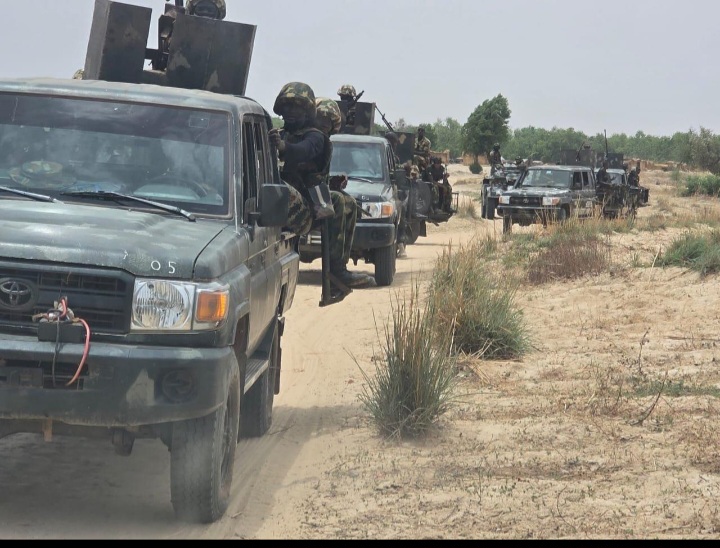
Troops Rescue 31 Kidnap Victims, Kill Suspected Terrorist Kingpin in Katsina and Kebbi
Troops of the Joint Task Force North-West, Operation Fansan Yamma, have rescued 31 kidnapped victims and killed two suspected terrorists, including a man identified by the military as a terrorist kingpin, during separate operations in Katsina and Kebbi States. The operations were conducted on September 14 and 15, according to the Media Information Officer of…
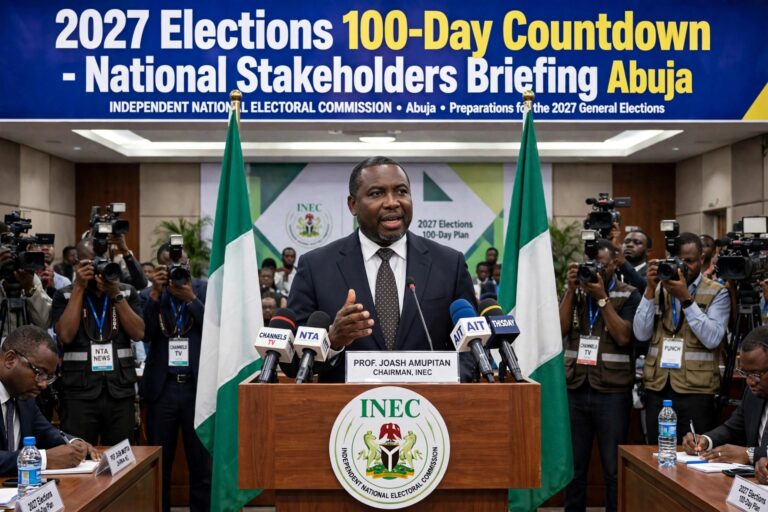
INEC Set to Brief Nigerians as 2027 Elections Enter 100-Day Countdown
The Independent National Electoral Commission is set to brief Nigerians on its preparations for the 2027 general elections as the country enters the crucial 100-day countdown to the polls. INEC is scheduled to hold a national stakeholders’ meeting and World Press Conference on Tuesday, October 6, in Abuja. The meeting is expected to focus on…
2027 ELECTION: NIGERIAN OPPOSITION PARTIES CONSIDER SINGLE CANDIDATE TO CHALLENGE TINUBU
Opposition groups are reportedly exploring the possibility of presenting one presidential candidate against the ruling All Progressives Congress ahead of the 2027 general elections. Fresh political discussions about the 2027 presidential election have intensified following remarks by political organiser Salihu Lukman, who says efforts are underway to unite opposition forces behind a single candidate. Lukman,…
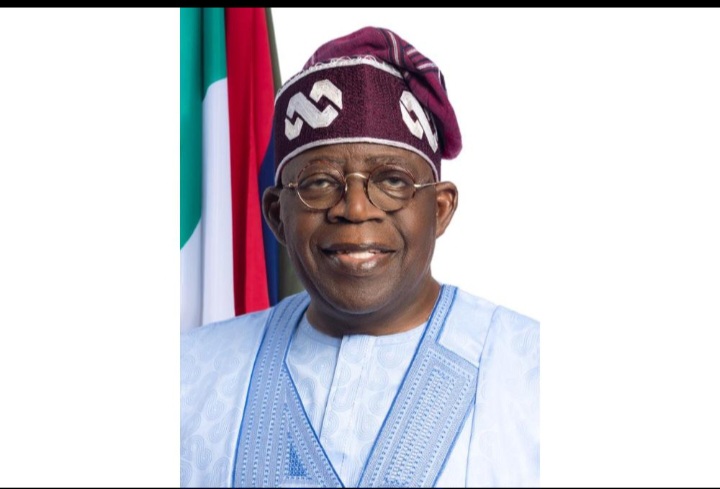
TINUBU LAUNCHES 2027 RE-ELECTION CAMPAIGN IN KADUNA, BLAMES OPPOSITION FOR HUNGER
President Bola Ahmed Tinubu has officially launched his re-election campaign ahead of Nigeria’s 2027 general election, using a rally in Kaduna State to defend his administration’s economic policies and criticise opposition politicians over the country’s economic challenges. The campaign flag-off took place on Saturday, October 24, 2026, at Ranchers Bees Stadium in Kaduna, where the…
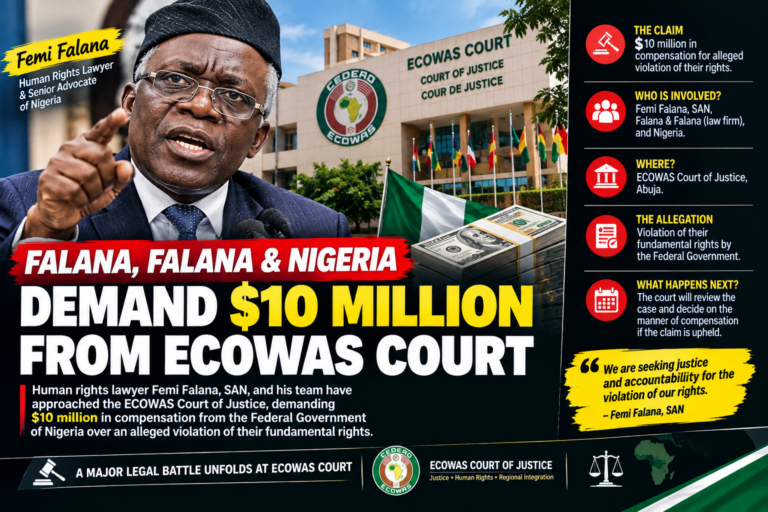
Falana Sues Nigeria at ECOWAS Court, Demands $10m Over Alleged Rights Violations
Human rights lawyer and Senior Advocate of Nigeria, Femi Falana, has instituted proceedings against the Federal Republic of Nigeria before the Community Court of Justice of the Economic Community of West African States (ECOWAS). The case concerns alleged violations of Falana’s fundamental rights dating back several decades and involving different military administrations. According to reports…
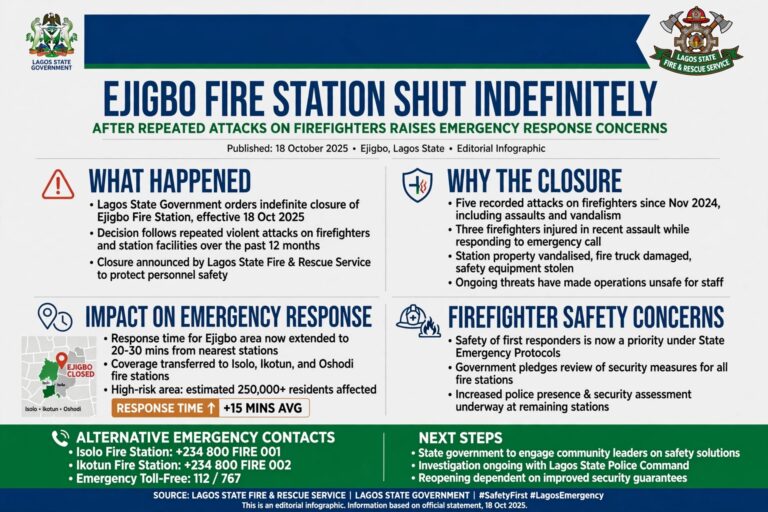
LAGOS GOVERNMENT SHUTS EJIGBO FIRE STATION AFTER REPORTED ATTACKS ON FIREFIGHTERS
The Lagos State Government has reportedly shut the Ejigbo Fire Station indefinitely following repeated attacks on firefighters, raising concerns about emergency response and the safety of personnel who protect residents during fires. The Lagos State Fire and Rescue Service has reportedly shut its Ejigbo Fire Station indefinitely following repeated attacks on its personnel. The development…