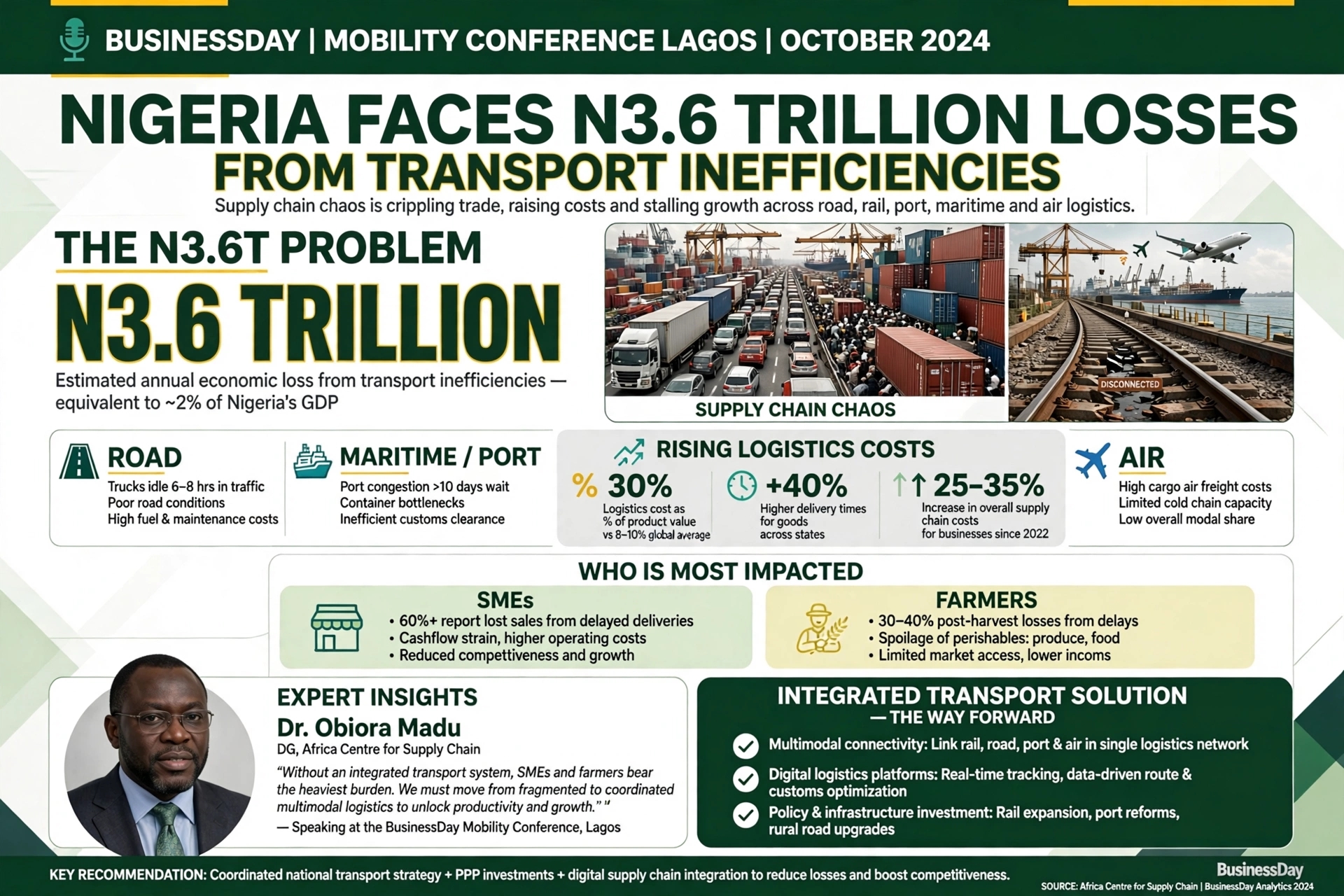
Nigeria loses more than ₦3.6 trillion to inefficiencies and distortions in its transport and logistics sector, according to Dr Obiora Madu, Director-General of the Africa Centre for Supply Chain. Madu made the disclosure at the BusinessDay Mobility and Logistics Conference in Lagos, where industry stakeholders called for a more integrated transport system to reduce costs and improve the movement of goods across the country, he warned that weak connections between different transport networks undermine business operations, particularly for small-scale enterprises that depend on affordable and reliable logistics. The reported estimate has renewed attention on the economic consequences of transport delays, congestion, inefficient distribution systems and inadequate coordination between road, rail, maritime and air transport. Transport and logistics are essential to the movement of goods from farms and factories to markets and consumers, when the system is inefficient, businesses may spend more money transporting products, maintaining vehicles, storing goods and dealing with delayed deliveries, these additional expenses can reduce profits and make products more expensive for consumers, Agricultural producers may also suffer losses when food takes too long to reach markets or when transportation costs make distribution commercially unattractive, for small businesses operating with limited capital, inefficient logistics can make expansion particularly difficult. The ₦3.6 trillion estimate cited by Madu highlights the potential scale of the problem. It remains an attributed estimate rather than an independently audited government figure. Madu argued that Nigeria needs a connected logistics network rather than isolated infrastructure projects, an integrated system would allow different modes of transportation to complement one another, road transport could provide access to farms, warehouses and final destinations. Rail could move large volumes of cargo over longer distances, while maritime transport would remain essential for international trade, air transport could support the movement of time-sensitive goods, while inland terminals and distribution centres could improve the handling and transfer of cargo. The Nigerian Railway Corporation’s Managing Director, Dr Kayode Opeifa, also emphasised the importance of coordinating the different modes of transportation, the argument is that rail should complement road, maritime and air services rather than be treated as a competitor, such coordination could improve the movement of goods between seaports, industrial areas, inland terminals and major consumer markets. Improved logistics could be especially valuable to small and medium-sized enterprises, businesses that sell food, clothing, electronics and other consumer products often depend on road transport to move goods between suppliers and customers, when transport costs rise, businesses may increase prices, reduce profit margins or delay expansion plans. More efficient logistics could help reduce these pressures and improve access to markets, farmers could also benefit if better connections allow produce to reach consumers more quickly and reduce post-harvest losses. However, infrastructure development alone may not be enough. Effective planning, maintenance, security and coordination are also necessary, Nigeria has invested in different transport projects, but the economic benefits depend on how well these facilities work together, a new road, railway or terminal may have limited impact if it is poorly connected to the wider logistics network.The industry therefore faces a broader challenge: ensuring that infrastructure investments translate into reliable, affordable and efficient services. Reducing the reported losses will require cooperation among federal and state governments, transport agencies, private operators and businesses. If Nigeria can improve coordination across its transport networks, the country could reduce avoidable costs, strengthen trade and make locally produced goods more competitive.
Similar Posts
APC Steps Up Preparations for Tinubu’s 2027 Re-Election Campaign
Political activities are gathering momentum ahead of Nigeria’s 2027 general elections as the All Progressives Congress (APC) intensifies preparations for President Bola Ahmed Tinubu’s re-election campaign. The ruling party is expected to inaugurate its presidential campaign council on Wednesday, October 14, as preparations for the next electoral contest continue. The development signals the beginning of…
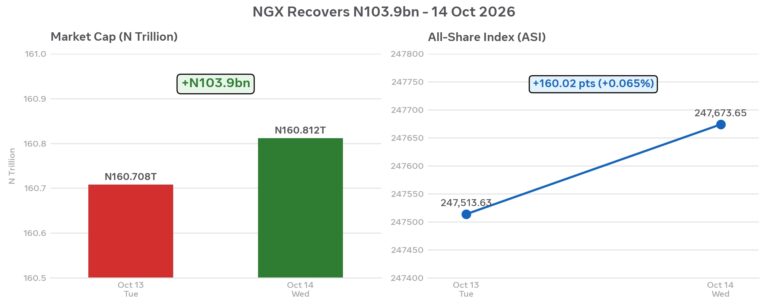
Nigeria Stock Market Recovers ₦103.9 Billion in Market Value
Nigeria’s stock market recovered ₦103.9 billion in market value on Wednesday, 14 October 2026, according to official trading data from the Nigerian Exchange published on Thursday, October 15, 2026. The Nigerian equities market returned to positive territory on Wednesday, October 14, 2026, as investor wealth expanded by N103.90 billion in a single trading session, lifting…
TINUBU SEEKS NATIONAL ASSEMBLY APPROVAL FOR $20.5 BILLION AND €1.045 BILLION in FOREIGN LOANS
President Bola Tinubu has asked the National Assembly to approve a proposed external borrowing plan worth approximately $20.52 billion and €1.045 billion to finance projects and programmes under the Federal Government’s 2026–2027 borrowing framework. The request has renewed debate over Nigeria’s borrowing strategy, particularly as concerns persist about debt servicing, infrastructure development and the country’s…
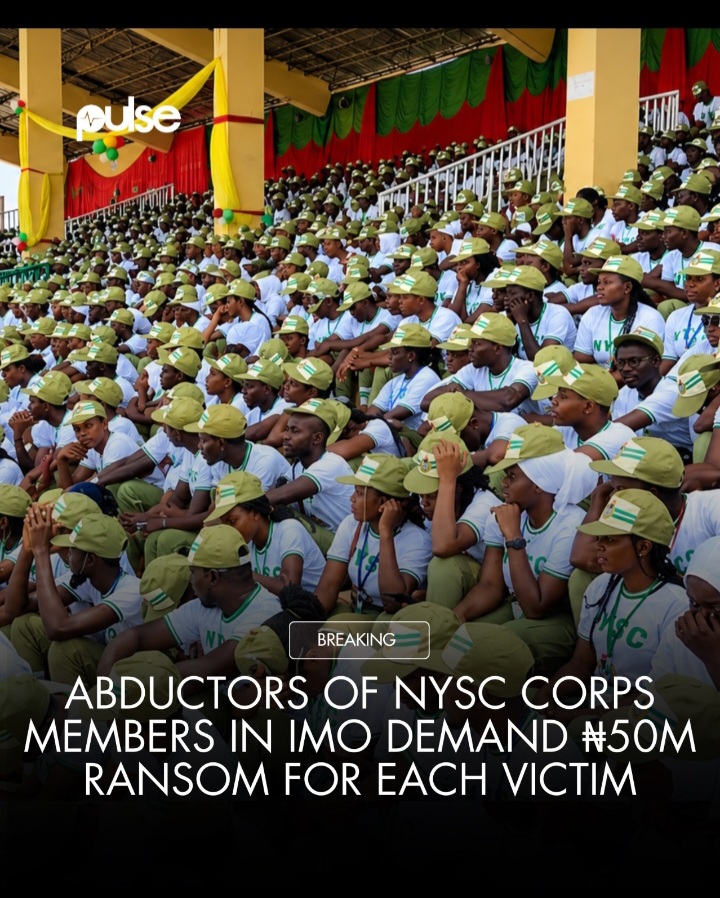
Parents Seek Help as Kidnappers Demand ₦1bn Ransom for 20 Prospective Corps Members
The families of 20 prospective National Youth Service Corps members abducted in Imo State are appealing for urgent help as security agencies continue efforts to rescue the victims. The prospective corps members were travelling from Ibadan towards orientation camps in Abia and Akwa Ibom states when gunmen reportedly attacked two buses along the Owerri-Onitsha Expressway…
INEC PUBLISHES 2027 VOTERS REGISTER ONLINE AFTER PUBLIC PRESSURE, SETS DATE FOR FINAL REGISTER
The Independent National Electoral Commission (INEC) has made the preliminary register of voters for Nigeria’s 2027 general elections available online following concerns from political stakeholders and members of the public over access to the document. The development is expected to improve public access to voter-registration information as preparations for the next general elections gather momentum….
MILITARY PENSIONERS BEGIN RECEIVING NEW RATES AND ARREARS
The Military Pensions Board has commenced implementation of newly approved pension rates and payment of applicable arrears to military pensioners. The board announced that the new rates followed adjustments arising from the new National Minimum Wage. According to the Military Pensions Board, the revised pension rates have been implemented and the applicable arrears processed for…