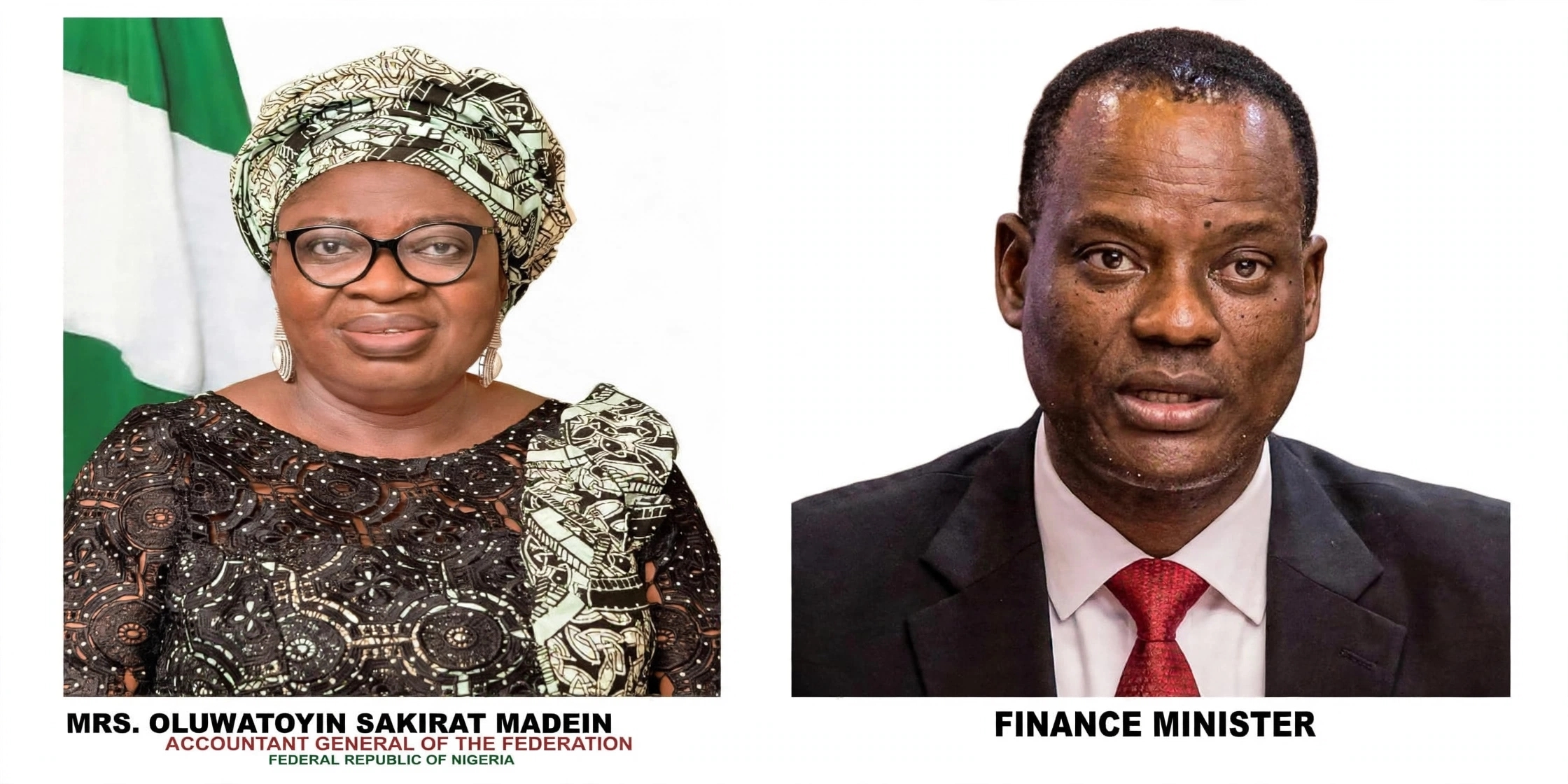
The House of Representatives’ Public Accounts Committee has summoned senior federal finance officials to explain the reported ₦75 billion owed to the Universal Basic Education Commission and provide a clear repayment timetable. The House of Representatives has intensified scrutiny of public financial management after its Public Accounts Committee summoned the Minister of Finance and Coordinating Minister of the Economy, Taiwo Oyedele, and the Accountant-General of the Federation, Shamseldeen Ogunjimi, over a reported ₦75 billion owed to the Universal Basic Education Commission. According to reports published on October 16 and 17, the committee directed the officials to appear before it on October 22, 2026, to explain the circumstances surrounding the funds and provide a definite timetable for repayment, the issue has raised questions about the movement of money between government institutions, the protection of funds earmarked for specific purposes and the need for transparent repayment arrangements, the committee’s concern centres on reported borrowing or withdrawals involving funds belonging to the Universal Basic Education Commission. UBEC is responsible for coordinating federal interventions designed to improve access to basic education and support relevant programmes across Nigeria, these interventions can include school infrastructure, learning materials, teacher development and other initiatives intended to strengthen basic education. Lawmakers have expressed concern that funds allocated to a statutory agency should not remain outstanding without clearly defined repayment arrangements, they have also questioned the practice of moving money between government institutions without adequate transparency, prior notification or clearly established terms. The committee has insisted that public financial transactions must be properly documented and that responsible officials should provide specific explanations, the ₦75 billion figure is the amount identified in reports of the committee’s investigation, it should not be interpreted as a final audited reconciliation of every transaction involving UBEC or as proof that all the money has been permanently lost. Reporting on the hearing indicated that a representative from the Accountant-General’s office acknowledged the existence of inter-agency borrowing arrangements, the representative reportedly described the arrangements as temporary measures used to address funding shortfalls and meet government obligations. Reports also referred to broader refund figures involving other government agencies, including claims that approximately ₦90 billion had been refunded while more than ₦70 billion remained outstanding. However, the available reporting does not establish a complete institution-by-institution reconciliation of those broader figures. It is therefore important not to assume that the amounts can be combined or that they provide a definitive account of the balance owed specifically to UBEC, the committee’s demand for a clear repayment timetable reflects the need to establish the precise position through further explanations and financial records. The controversy has implications beyond the immediate financial dispute. Basic education remains an important part of Nigeria’s development, and public institutions depend on reliable funding to implement programmes and maintain facilities, when funding arrangements are uncertain, agencies may face difficulties planning projects, coordinating activities and meeting commitments. UBEC’s work also involves cooperation with state governments under the applicable funding arrangements. Consequently, the availability and timely release of funds can influence the implementation of education-related projects. However, the precise impact of the reported borrowing on particular schools or projects has not been established by the available reports, any claim that a specific school project has been cancelled or delayed because of the reported debt should therefore be supported by additional evidence. The committee has maintained that inter-agency borrowing should be subject to clearly defined conditions, including repayment timelines. Lawmakers have also raised concerns about reported deductions from the revenues of other government agencies, their position is that public institutions must retain the resources required to perform their statutory responsibilities and meet essential operational costs, the investigation is part of the legislature’s oversight role in examining how public money is managed, such scrutiny can help identify weaknesses in financial procedures, clarify the responsibilities of public officials and encourage more transparent administrative practices. However, the investigation must establish the relevant facts before conclusions are drawn about individual responsibility or possible wrongdoing. The scheduled appearance of the finance minister and accountant-general was intended to provide the committee with explanations and a clear repayment timetable, the proceedings could help establish the circumstances surrounding the reported borrowing, the applicable financial arrangements and the steps being taken to settle the outstanding amount. They could also clarify how the reported UBEC balance relates to other transactions involving government agencies, as of the available reporting, however, the hearing’s outcome has not been independently confirmed. It would therefore be premature to report that the officials have repaid the money, accepted wrongdoing or reached a final agreement unless a subsequent reliable report or official statement establishes those facts. The controversy highlights the importance of transparency in the management of public resources. Government agencies have statutory responsibilities, and financial arrangements involving their funds should be documented and subject to appropriate oversight, where funds are borrowed, the responsible authorities should be able to explain the purpose, terms and repayment schedule. Clear information can help lawmakers and citizens understand how public money is used and whether agencies can continue to perform their assigned duties. For education, the central concern is ensuring that financial arrangements do not undermine the delivery of services intended for Nigerian children. The outcome of the investigation will be important in determining what further action may be necessary.
Similar Posts
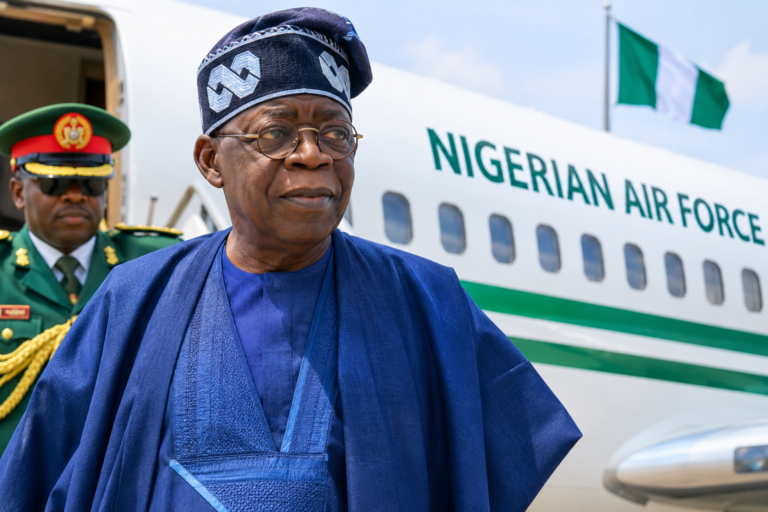
TINUBU SET TO RETURN TO NIGERIA AFTER FOUR-WEEK EUROPEAN STAY
President Bola Ahmed Tinubu is expected to return to Nigeria on Tuesday, September 29, after spending about four weeks in Europe on what the Presidency described as a working vacation. The President is expected to arrive in Lagos, where he will spend the Independence Day period before returning to Abuja later in the week. Tinubu’s…
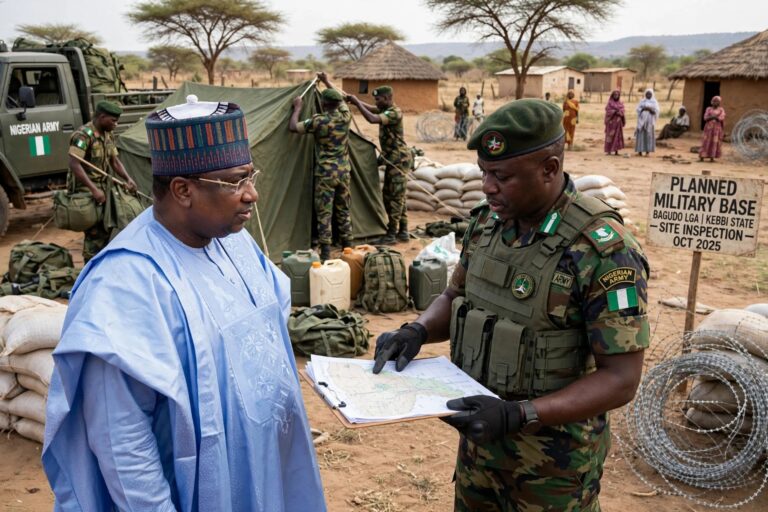
Kebbi Plans Military Base in Bandit-Hit Communities
The Kebbi State Government has announced plans to establish a military base in communities affected by recent bandit attacks in Bagudo Local Government Area. Governor Nasir Idris announced the plan as authorities intensify efforts to improve security in communities affected by attacks. The proposed military presence is expected to bring security personnel closer to residents…
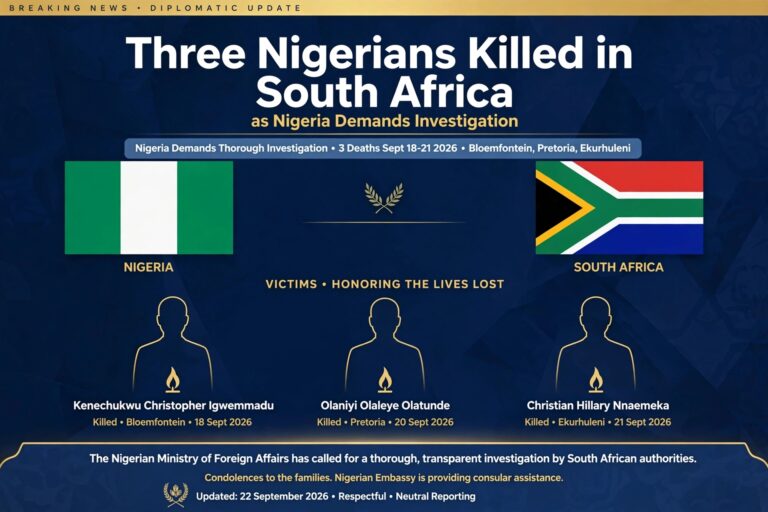
Three Nigerians Killed in South Africa as Nigeria Demands Investigation
The Nigerian Government has called for thorough investigations into the deaths of three Nigerian nationals who were killed in separate incidents in South Africa between September 18 and 21, 2026. The Nigerian Consulate-General in Johannesburg raised concerns over the deaths and called on South African authorities to investigate the circumstances surrounding each incident. The three…
INEC Under Fire: Is Nigeria’s Electoral Referee Playing for APC?
Nigeria’s electoral referee is facing a question that could define the 2027 elections: can INEC convince millions of Nigerians that it is truly independent — or are growing allegations of political bias becoming impossible to ignore? The Independent National Electoral Commission (INEC) was created to protect the integrity of Nigeria’s elections. But as the country…
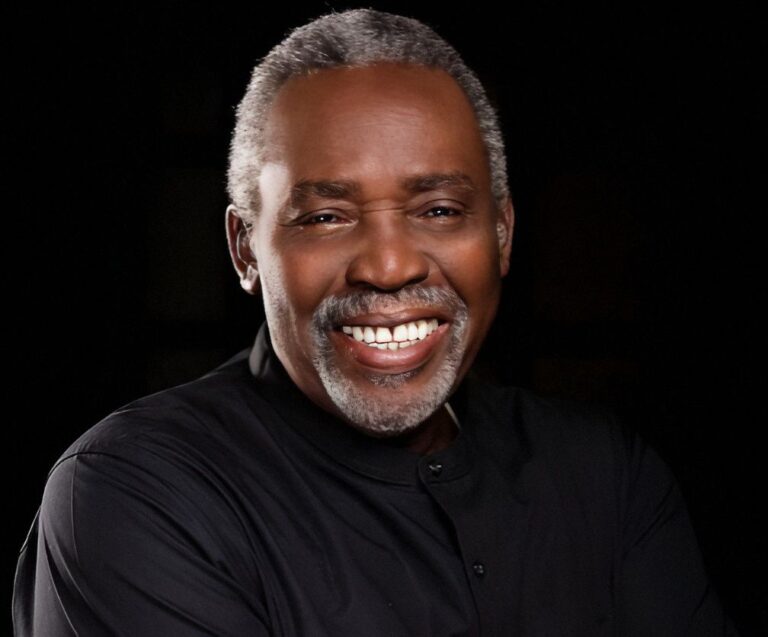
Olu Jacobs: Remembering a Legend Who Gave Over Five Decades to Acting
The Nigerian entertainment industry has lost one of its most respected veterans. Veteran actor Oludotun Baiyewu Jacobs, popularly known as Olu Jacobs, died on Wednesday, September 16, 2026, at the age of 84. His death was announced by his family through his son, Olusoji Jacobs, who described him as “The Lion of Lufodo.” The family…
OTEDOLA BRIDGE TANKER INFERNO LEAVES TWO MEN WITH SEVERE BURNS AS FRSC OPENS INVESTIGATION
Two men sustained serious burn injuries after a diesel-laden tanker fell from Otedola Bridge in Lagos and caught fire, prompting an emergency response and a fresh investigation into the circumstances surrounding the crash. A tanker accident beneath Otedola Bridge on the Lagos-Ibadan Expressway has left two men with severe burn injuries after the vehicle reportedly…