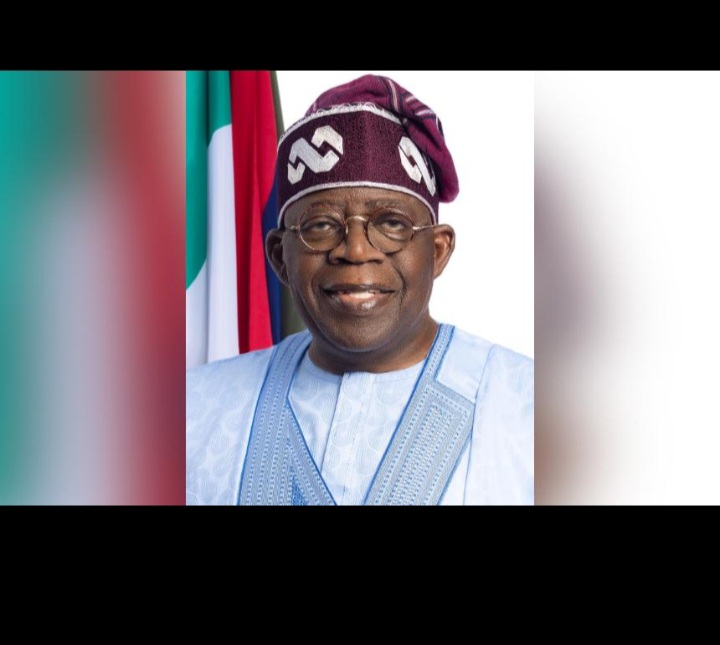
President Bola Tinubu’s economic policies have become a major focus of political debate as his administration prepares to seek another term in office amid persistent concerns about the cost of living and household finances. The president launched his re-election campaign in Kaduna on October 24, 2026, defending his administration’s direction as opposition figures continued to criticise the effects of its economic policies. The debate centres on whether the reforms introduced since 2023 are delivering sufficient benefits to ordinary Nigerians and whether the hardship associated with them can be justified by their longer-term objectives, aince taking office in May 2023, Tinubu’s administration has pursued major changes to Nigeria’s economic policy. Among the most consequential decisions were the removal of the petrol subsidy and changes to the foreign-exchange system. The government has argued that these reforms were necessary to address longstanding fiscal pressures, improve public finances and create a more sustainable economic environment, supporters contend that the changes could improve government revenue, reduce distortions and strengthen investor confidence. However, the transition has also been difficult for many households and businesses, higher transportation and operating costs have placed pressure on household budgets, while businesses have faced challenges associated with energy, logistics and other expenses. These pressures have made the cost of living a central issue in political discussions. Opposition figures have questioned whether the benefits of the government’s reforms are reaching ordinary Nigerians quickly enough. Former Vice-President Atiku Abubakar and Peter Obi have both emerged as prominent critics of the administration’s economic direction, the president’s re-election campaign is taking place against a backdrop of economic hardship and persistent security challenges. The opposition’s criticism focuses on issues including food affordability, unemployment, poverty and the pressures facing low-income households, the government and its supporters, meanwhile, have defended the need for economic adjustments and argued that some of the difficulties reflect longstanding structural problems. The political disagreement is therefore not simply about whether reforms are necessary, but also about their implementation, timing and impact on citizens, supporters of the administration argue that removing the petrol subsidy and changing foreign-exchange arrangements were intended to address problems that had placed significant pressure on public finances. They contend that improved government revenue and greater confidence in the economy could provide a foundation for future development. However, evaluating the reforms requires more than examining government revenue or investor sentiment alone, the effects on household purchasing power, employment, food prices, business activity and access to essential services are also important measures of economic performance. A reform may improve one area of the economy while creating difficulties in another, particularly during a period of adjustment. For that reason, independent economic data is essential to assessing the overall results, economic concerns are not the only issue confronting the administration. Security remains a major concern in several parts of Nigeria, with kidnapping, banditry and insurgency continuing to affect communities, these challenges can disrupt farming, trade, transport and other economic activities, for families and businesses affected by insecurity, the ability of the government to improve public safety is closely connected to economic recovery. The combination of financial pressure and security concerns is therefore likely to remain important in the political debate ahead of the 2027 elections. As the election campaign develops, voters are likely to assess the administration’s performance through their everyday experiences. Key questions include whether food becomes more affordable, whether employment opportunities expand, whether businesses can operate sustainably and whether insecurity declines, the government will also be expected to explain how the economic reforms are intended to translate into measurable improvements in living standards. Opposition parties, in turn, will need to demonstrate how their proposed alternatives would address the same problems. Ultimately, the debate will be shaped by the evidence available on economic performance and the credibility of competing policy proposals. The economy is likely to remain one of the most consequential issues in the presidential election, Tinubu’s supporters may argue that his reforms are necessary for long-term stability, while critics may focus on the immediate hardship experienced by households. Both arguments should be examined against reliable economic indicators and the lived experiences of Nigerians. For voters, the central question is whether the country’s economic direction is producing improvements that ordinary citizens can actually feel.
Similar Posts
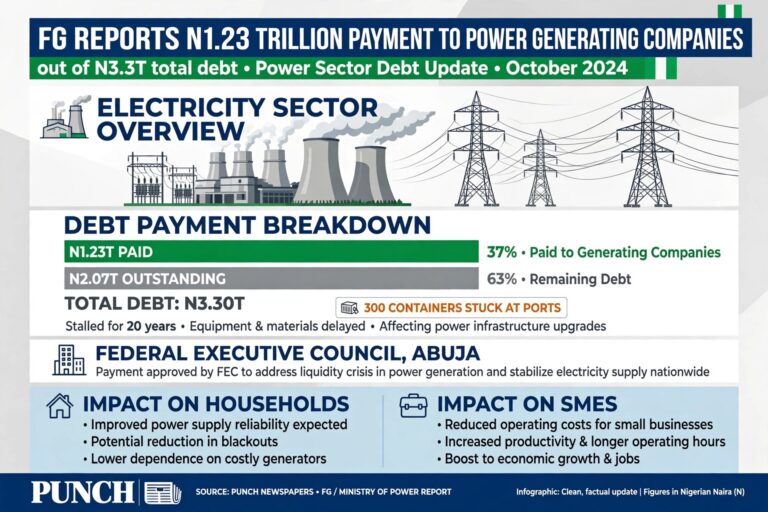
FG REPORTS ₦1.23 TRILLION PAYMENT TO POWER GENERATING COMPANIES
The Federal Government has reported paying ₦1.23 trillion out of approximately ₦3.3 trillion in outstanding debts owed to electricity generation companies, in a move aimed at easing financial pressures within Nigeria’s power sector. The payment was disclosed following a Federal Executive Council meeting in Abuja, according to a report published by Punch Newspapers. The report…
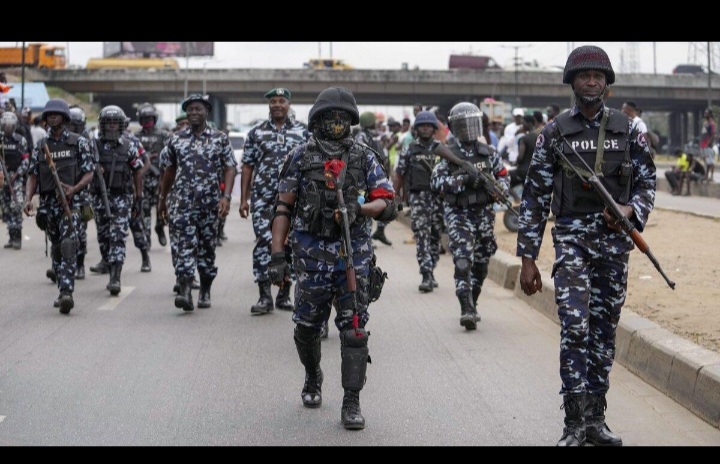
POLICE SERVICE COMMISSION PROMOTES OVER 3,800 OFFICERS, ELEVATES TWO TO DEPUTY INSPECTOR-GENERAL
The Police Service Commission (PSC) has approved the promotion of more than 3,800 senior police officers, including two officers elevated to the rank of Deputy Inspector-General of Police. The promotion exercise was approved during the commission’s plenary meeting held in Abuja on Thursday, October 29, 2026, the meeting was presided over by the PSC Chairman,…
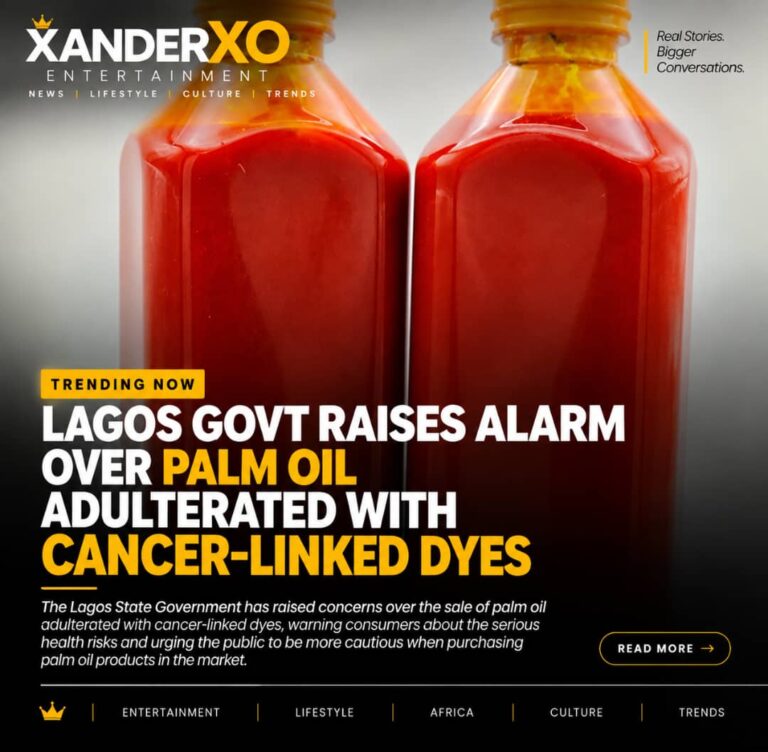
LAGOS GOVT RAISES ALARM OVER PALM OIL ADULTERATED WITH CANCER-LINKED DYES
The Lagos State Government has raised concerns over increasingly sophisticated adulteration of palm oil in markets across the state, urging residents to be more vigilant about the products they purchase.The warning was issued through the Lagos State Consumer Protection Agency (LASCOPA) following a technical presentation at the 2026 Lagos State Food Safety Conference and Exhibition….
Anambra Govt Publishes DMO Records of Eight External Loans After Peter Obi Pledges to End 2027 Campaign If Indebtedness Is Proven
The Anambra State Government has published Debt Management Office (DMO) records of eight external loans which it said remained outstanding from previous administrations, following former Governor Peter Obi’s pledge to end his 2027 presidential campaign if indebtedness from his tenure is established.The development followed comments by Anambra State Commissioner for Finance, Izuchukwu Okafor, who said…
Nigeria Pushes for Bigger Role in Global AI Services
Nigeria is seeking to move beyond traditional outsourcing and position itself as a provider of higher-value artificial intelligence and technology-enabled services to the global market. The Director-General of the National Information Technology Development Agency, Kashifu Inuwa Abdullahi, highlighted the opportunity during discussions linked to the 81st United Nations General Assembly. According to him, Nigeria’s growing…
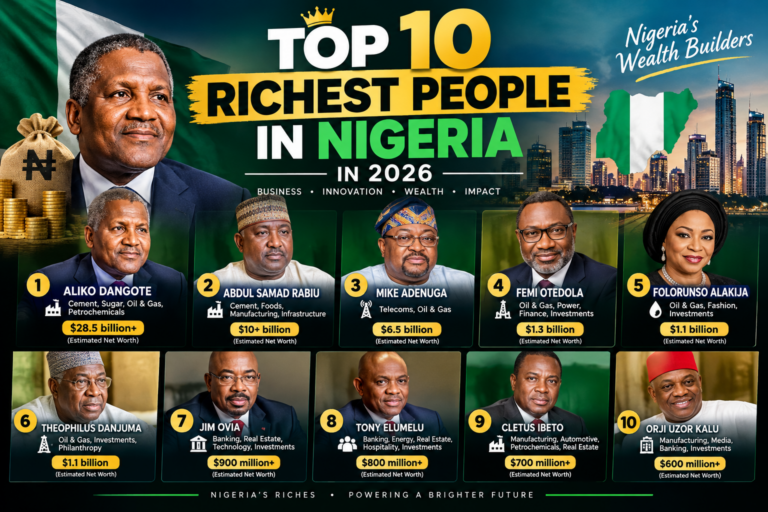
Top 10 Richest People in Nigeria in 2026
Nigeria is home to some of Africa’s most powerful business figures, with fortunes built across cement, oil and gas, telecommunications, banking, manufacturing, investments and real estate. While Forbes’ 2026 Africa Billionaires ranking officially lists four Nigerians as billionaires, several other wealthy Nigerian business leaders have built fortunes worth hundreds of millions of dollars. Because many…