World University RankingsCovenant University, the University of Ibadan and the University of Lagos occupy the leading Nigerian positions in the published ranking. A total of 29 Nigerian universities have been featured in the Times Higher Education (THE) 2027 World University Rankings, up from 24 institutions in the previous edition. The ranking, published on October 1, 2026, highlights the presence of Nigerian institutions in an international assessment of universities. According to the published results, Covenant University, the University of Ibadan and the University of Lagos occupy the leading positions among Nigerian universities. The three institutions are placed in the global 801–1000 band. The results provide an opportunity to examine the international visibility of Nigerian universities and the factors used to assess their performance. Covenant University returned to the top position among Nigerian institutions in the 2027 ranking after placing third nationally in the previous edition. The University of Ibadan and the University of Lagos follow closely in the Nigerian comparison. Although the three institutions share the same global ranking band, their performance varies across the assessment’s individual indicators. The ranking considers several dimensions of university performance rather than relying on a single measure. These include teaching, research environment, research quality, industry engagement and international outlook. The increase from 24 Nigerian universities in the previous edition to 29 in the 2027 ranking indicates broader representation in the published list. However, inclusion in a ranking does not automatically mean that every institution has improved its position. Universities may be included at different levels, and their results can vary considerably across individual performance indicators. Prospective students should therefore examine the specific results of an institution rather than relying exclusively on the total number of universities represented. University rankings can help students compare institutions and identify areas of academic strength. They may also provide information about research activity, international engagement and relationships with industry. Nevertheless, rankings are only one consideration when selecting a university. Students should also examine the accreditation of their intended programmes, the quality of teaching, access to facilities, tuition fees, accommodation and graduate employment opportunities. A university’s overall position may not necessarily reflect the quality of every department or course it offers. For example, a student interested in engineering should investigate the facilities, curriculum and professional recognition relevant to that discipline. The same principle applies to medicine, law, computer science, education and other fields. International rankings can encourage universities to evaluate their teaching methods, research output, industry relationships and support for students. However, sustained improvement requires investment in infrastructure, reliable funding, qualified personnel, research facilities and a stable academic environment. Nigerian universities also face the challenge of preparing graduates for a changing labour market while maintaining strong academic standards. The latest ranking provides a snapshot of how selected Nigerian institutions compare within an international framework. For prospective students, the most useful approach is to combine ranking information with careful research into the specific programme they intend to study.
Similar Posts
NYSC Suspends 2026 Batch B Stream I Orientation in Niger State, Announces Fresh Arrangements Ahead
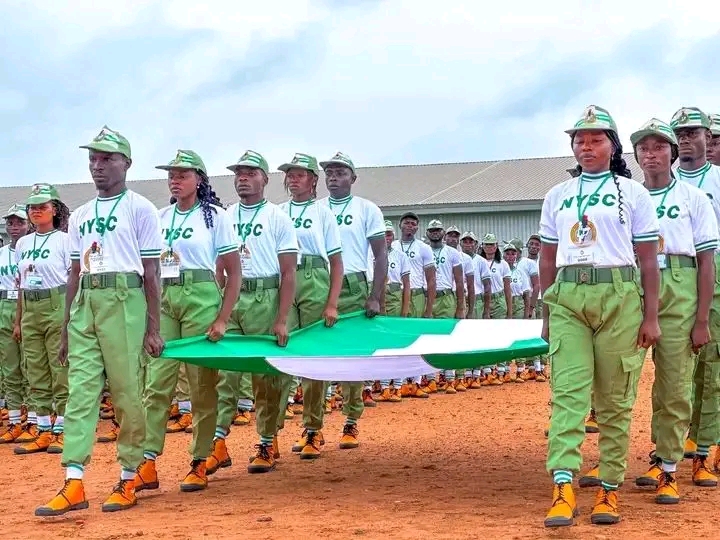
The National Youth Service Corps (NYSC) has suspended the 2026 Batch B Stream I Orientation Course for prospective corps members deployed to Niger State, citing ongoing renovation works at the state’s orientation camp. The announcement was made through the scheme’s official communication channels, with the management assuring affected prospective corps members (PCMs) that new reporting…
AE-FUNAI VC Explores Strategic Partnership With Innoson Motors and Zobis Cable to Drive Innovation
Prof. Daniel Nwachukwu, the Vice-Chancellor of Alex Ekwueme Federal University Ndufu-Alike, recently took a major step toward connecting academic learning with real-world industry. He visited two prominent manufacturing companies in Anambra State—Innoson Vehicle Manufacturing in Nnewi and Zobis Cable & Wire in Onitsha—to discuss long-term collaborations that will benefit both students and the Nigerian economy….
KASU Rejects ₦300m Package, Begins 2-Week Warning Strike
Academic activities at Kaduna State University (KASU) are heavily paralyzed following the commencement of a two-week warning strike by the local ASUU chapter. The local union launched the action to express its discontent over stalled subnational welfare adjustments. The KASU chapter officially rejected a ₦300 million earned allowance package approved by Governor Uba Sani. Branch…
AEFUNAI GRADUATE BEGINS FOOT TREK FROM EBONYI TO LAGOS TO MEET DAVIDO
A young man from ebonyi state, Nworie Jasper Obinna, has embarked on a journey by foot from Abakaliki to lagos to meet Nigerian music star Davido. Jasper, a graduate of Alex Ekwueme Federal University Ndufu Alike-Ikwo (AEFUNAI) , Department of Agriculture, announced his plan on February 17, 2026, stating: “My name is Nworie Obinna Jasper…
Final Call for JAMB Direct Entry Registration as Portal Shuts Today
If you are planning to secure your university admission through Direct Entry (DE) for the 2026 session, your window of opportunity closes at midnight. Today, Saturday, April 25, 2026, marks the final deadline for the purchase of e-PINs and the completion of registration across the country. The Joint Admissions and Matriculation Board (JAMB) has maintained…
UNIABUJA, DRAWBRIDGE SIGN MoU TO TRAIN 300, 400-LEVEL ADVERTISING, PR STUDENTS
The University of Abuja has entered into a multi-year partnership with communication firm Drawbridge CM Limited to provide practical industry training for students in Advertising and Public Relations. The Memorandum of Understanding was signed on Wednesday by Drawbridge CM Chief Executive Officer, Mr Hassan Abdul, and the Head of the Department of Advertising and Public…