Nigeria’s markets are facing a growing challenge as counterfeit and substandard products continue to find their way onto shelves, raising concerns over consumer safety, business losses and the effectiveness of efforts to protect buyers. From cosmetics and medicines to food items, electrical appliances, spare parts and household products, consumers increasingly have to distinguish between genuine goods and imitations that may look almost identical to the originals. The problem is particularly worrying because many counterfeit products are packaged to resemble established brands. Some carry similar colours, logos, names and labels, making it difficult for ordinary consumers to identify them without additional verification. For consumers, the consequences can go beyond losing money. Counterfeit medicines can contain the wrong ingredients or incorrect concentrations, while fake cosmetics may contain harmful substances capable of causing skin reactions and other health problems. Substandard electrical products can also create safety hazards, including fires and electric shocks. Businesses and manufacturers are also affected. Genuine producers can lose revenue when cheaper counterfeit versions of their products flood the market, while the reputation of legitimate brands may suffer when consumers mistakenly blame them for poor-quality products. Regulatory agencies, including the National Agency for Food and Drug Administration and Control (NAFDAC), the Standards Organisation of Nigeria (SON), and the Nigeria Customs Service, have continued efforts to intercept and remove fake and substandard goods. However, the size and complexity of Nigeria’s markets make enforcement a continuing challenge. Consumers also have an important role to play. Buyers are advised to purchase products from reputable sellers, check labels and expiry dates, look for appropriate regulatory information where applicable, and be cautious when a product is being sold at a price that appears unusually low. The rise of online shopping has added another dimension to the problem. Consumers may purchase products from sellers whose identities and sources are difficult to verify, making it harder to determine whether an item is genuine before payment. The fight against counterfeit products therefore requires more than occasional seizures. Stronger enforcement, better tracking systems, public awareness and greater accountability across supply chains are necessary to make it harder for fake products to reach consumers. For millions of Nigerians, the issue is no longer simply about getting a cheaper product. It is increasingly about knowing whether the product they are paying for is genuine and whether it is safe to use.

Similar Posts
Dangote Refinery IPO Opens: Nigerians Can Now Own a Piece of Africa’s Biggest Refinery
Nigeria has entered a new chapter in its capital market as Aliko Dangote’s massive oil refinery officially opens its shares to the public, giving ordinary Nigerians an opportunity to own a stake in one of Africa’s biggest industrial projects. The much-anticipated Initial Public Offering (IPO) of the Dangote Petroleum Refinery and Petrochemicals officially opened on…
Police Investigate Alleged ₦178 Million Financial Crimes Involving PCRC Chairman
The Nigeria Police Force has commenced steps to investigate allegations of financial crimes amounting to more than ₦178 million involving the National Chairman of the Police Community Relations Committee (PCRC), Alhaji Mogaji Ibrahim Olaniyan, and other national executive officers of the organisation. The development follows a petition submitted to the Inspector-General of Police on July…
Air Peace Explains Abuja–Maiduguri Flight Cancellation, Cites Fuel Shortage and Airport Restrictions
Air Peace has explained the cancellation of its Abuja–Maiduguri flight on Saturday, attributing the disruption to a shortage of aviation fuel in Abuja and a subsequent restriction affecting operations at Maiduguri Airport. The airline said the initial delays to its Abuja operations were caused by the unavailability of Jet A1 aviation fuel, a situation it…
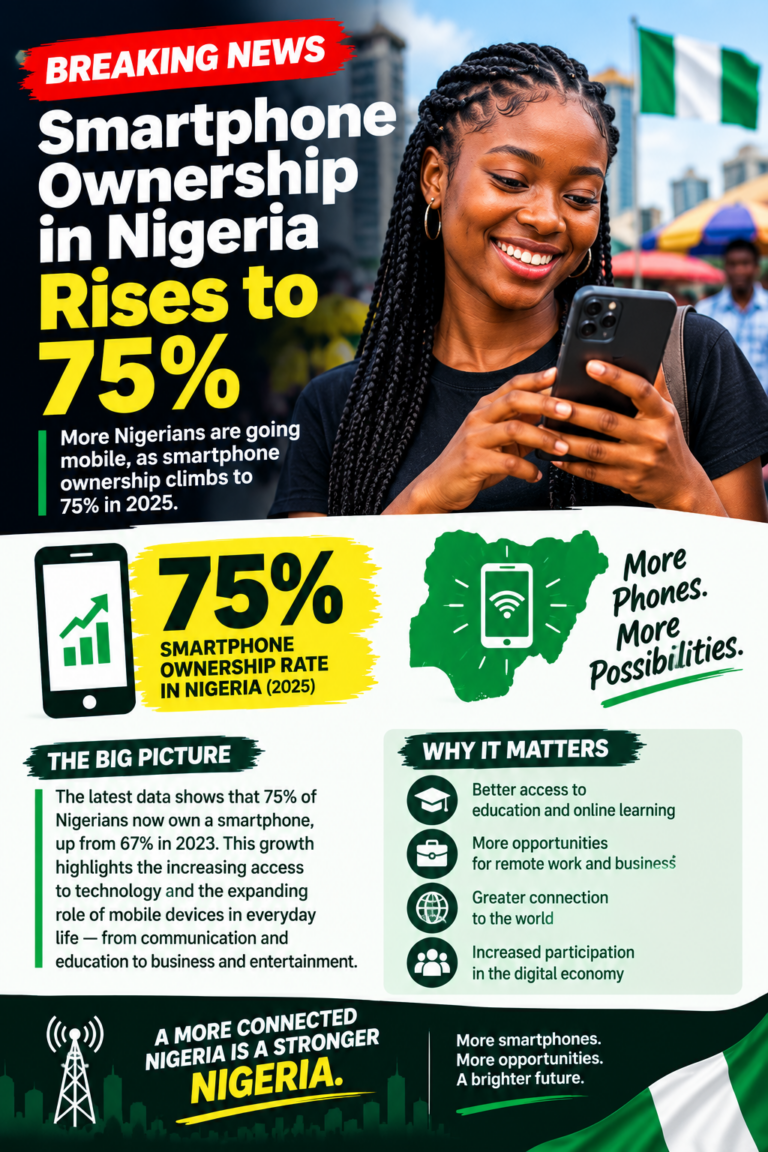
Nigeria’s Smartphone Ownership Rises to 75% as Digital Usage Expands
Smartphone ownership in Nigeria has risen to 75 per cent, reflecting the growing role of mobile devices in communication, business and access to digital services. The figure was contained in the Nigeria Smartphone Study, a nationwide analysis of smartphone ownership and digital application usage conducted by KPMG in partnership with Orange Group Nigeria. According to…
Why the US Just Abruptly Suspended Global Visa Appointments
The United States State Department has implemented a sudden, global suspension of visa appointments at its embassies and consulates worldwide. This unannounced freeze represents a significant escalation in international immigration enforcement during President Donald Trump’s second administration. Rather than targeting standard border entry points, this mechanism alters the processing infrastructure at the origin of travel,…
NMDPRA Says It Does Not Fix Petrol Pump Prices Under PIA
The Nigerian Midstream and Downstream Petroleum Regulatory Authority (NMDPRA) has clarified that it does not fix petrol pump prices under the Petroleum Industry Act (PIA) 2021.The clarification was contained in a press statement issued by the Authority amid concerns over the recent rise in Premium Motor Spirit (PMS) prices and the financial pressure it has…