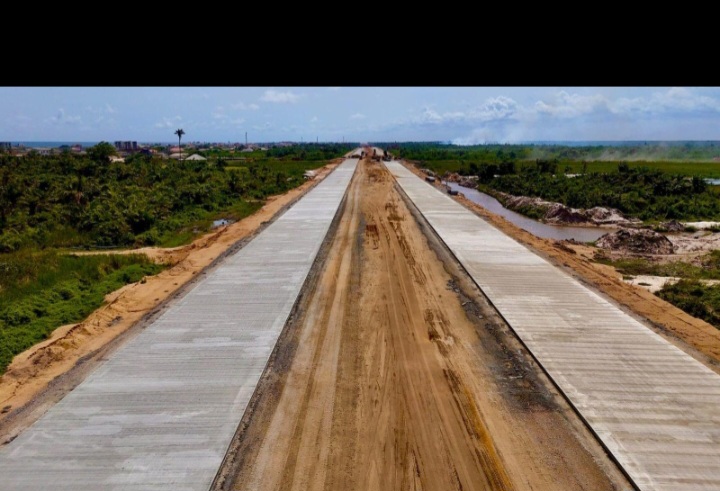
The Federal Government’s decision to reroute sections of the Lagos-Calabar Coastal Highway has renewed debate about the planning, procurement and engineering assessments behind one of Nigeria’s most ambitious road infrastructure projects. The proposed change involves directing a section of the highway through the existing East-West Road corridor rather than maintaining an entirely new alignment along the planned route. Works Minister David Umahi reportedly said President Bola Ahmed Tinubu directed the change, which has attracted attention from infrastructure experts and other stakeholders. The Lagos-Calabar Coastal Highway is intended to connect communities across Nigeria’s southern coastline, improving road transportation and supporting commercial activities across several states. The project has been presented as an important infrastructure investment that could strengthen connections between major economic centres, encourage tourism and support the movement of goods. However, its scale and cost have also generated debate over public spending, environmental protection and the benefits expected to reach communities along the route. Changes to the alignment of a major highway can have significant consequences for construction costs, project schedules, land acquisition and the communities expected to benefit. Using an existing road corridor could potentially reduce the need to acquire additional land or construct entirely new sections in some locations. However, the actual benefits would depend on engineering assessments, the condition of the existing road, the work required to upgrade it and the environmental implications of the revised alignment. Stakeholders may also want clarification about how the change affects the original project design and contractual arrangements. The latest development has renewed questions about whether the necessary technical assessments were completed before the original route was approved. For a project involving substantial public expenditure, transparency is important at every stage, from route selection and procurement to construction supervision and eventual operation. The government must also ensure that changes are properly documented and that the reasons for the revised alignment are made available to the public. Environmental considerations are particularly important because coastal infrastructure can affect wetlands, waterways, communities and sensitive ecosystems. The long-term value of the highway will depend not simply on its length or construction cost but on whether it is completed to an acceptable standard and delivers the promised economic benefits. Motorists will expect safer and more reliable travel. Businesses will look for improved transportation links, while communities along the route will want assurance that their interests are protected. The Federal Government’s explanation of the rerouting will therefore be important in determining whether the decision is understood as a practical engineering adjustment or raises further concerns about project planning. As construction continues, the public will be watching for clear information about costs, timelines, environmental safeguards and the expected benefits of the revised route.
Similar Posts
FG, FOCI Train 200 Nigerian Youths in Construction Skills
The Federal Government, in partnership with the Federation of Construction Industry, has trained 200 Nigerian youths in construction-related skills. The training was carried out under a youth skills acquisition programme designed to improve employability and provide young Nigerians with practical vocational skills. The beneficiaries were trained in three major areas: masonry, plumbing and carpentry. The…
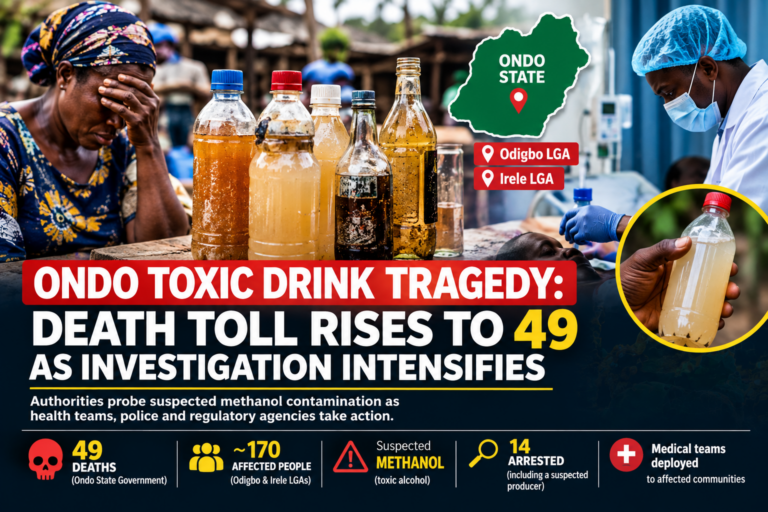
Ondo Toxic Drink Tragedy: Death Toll Rises to 49 as Investigation Intensifies
The death toll from a suspected toxic-alcohol outbreak in Ondo State has risen to 49, with authorities investigating the locally produced alcoholic drinks believed to be responsible for the deaths. The incident has affected communities in Odigbo and Irele Local Government Areas, with the Ondo State Government reporting about 170 affected people as health officials…
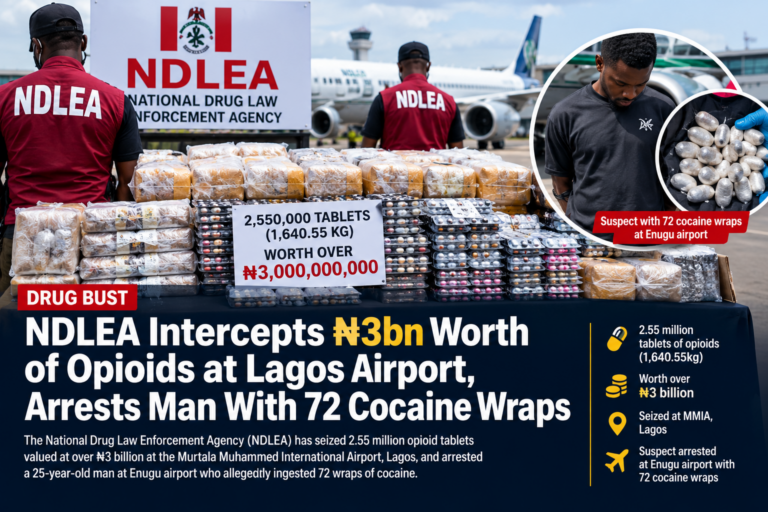
NDLEA Intercepts ₦3bn Worth of Opioids at Lagos Airport, Arrests Man With 72 Cocaine Wraps
The National Drug Law Enforcement Agency (NDLEA) has announced the interception of 2.55 million tablets of opioids valued at more than ₦3 billion at the Murtala Muhammed International Airport in Lagos. The agency said the drugs, weighing 1,640.55 kilogrammes, were seized on September 22 during the examination of three consignments at the airport’s import shed….
TIMI DAKOLO URGES NIGERIANS NOT TO MAKE ENEMIES OVER POLITICS
The Nigerian singer has defended his call for political tolerance, saying disagreements over parties and candidates should not turn citizens into personal enemies. Nigerian singer Timi Dakolo has urged citizens to avoid allowing political differences to destroy personal relationships or create unnecessary hostility. Dakolo reportedly made the comments while responding to criticism of a post…
FG TARGETS 14 GERMAN COMPANIES FOR FRESH INVESTMENTS IN NIGERIA
The Federal Government has intensified efforts to attract German investors into Nigeria as it seeks fresh capital and technology for key sectors of the economy. About 14 German companies are reportedly exploring investment opportunities in areas including cement, mining, construction and industrial technology. The development follows renewed discussions between Nigerian officials and German business representatives…
“NO MERCY”: IBRAHIM TRAORÉ WARNS FOREIGN OR LOCAL SPIES IN BURKINA FASO COULD FACE DEATH PENALTY OUAGADOUGOU, BURKINA FASO
Burkina Faso’s military leader, Captain Ibrahim Traoré, has issued a stern warning to individuals accused of espionage or treason, saying those caught spying for foreign powers could face the death penalty. Traoré made the remarks during an interview in Ouagadougou on September 28, 2026, as his government continues to adopt a tougher position toward what…