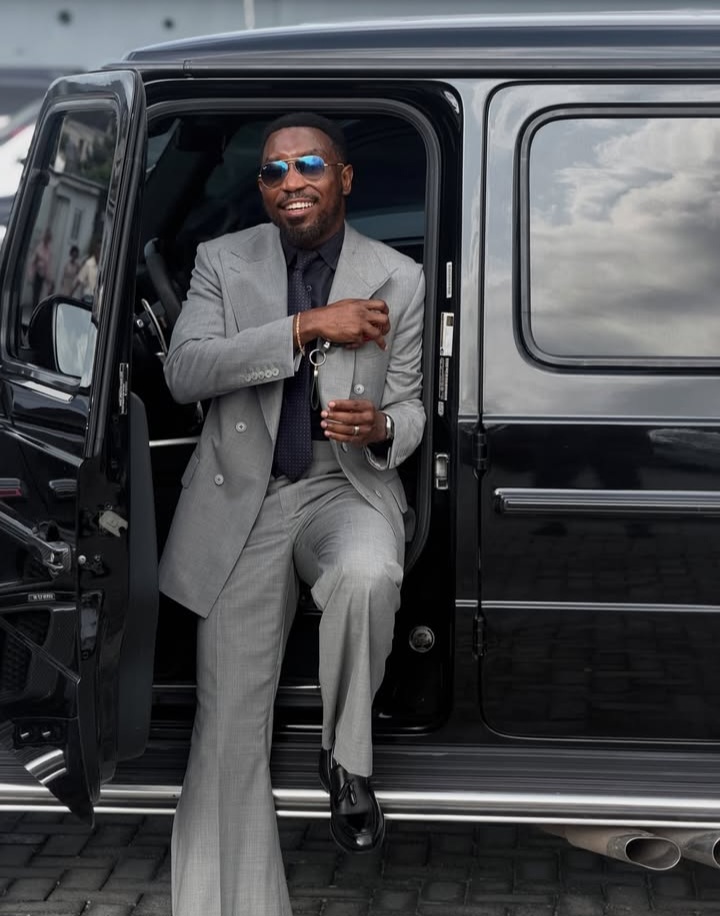
The Nigerian singer has defended his call for political tolerance, saying disagreements over parties and candidates should not turn citizens into personal enemies. Nigerian singer Timi Dakolo has urged citizens to avoid allowing political differences to destroy personal relationships or create unnecessary hostility. Dakolo reportedly made the comments while responding to criticism of a post on X in which he advised Nigerians not to make enemies because of politics. His message has added to discussions about the growing tension that political disagreements can create among friends, relatives and social media users. Some users criticised the advice, arguing that political choices have real consequences for citizens and that people should not be expected to ignore the actions of politicians. Others defended the singer, interpreting his message as a call for tolerance rather than an instruction to support every political figure. Responding to the backlash, Dakolo reportedly said he had seen politicians from different parties interact cordially when cameras were not present. His argument was that ordinary citizens should be careful about turning political competition into personal hatred when the politicians involved may maintain relationships across party lines. Politics can influence decisions about security, employment, education, healthcare, taxation and other matters that affect people’s daily lives. For that reason, political debates can provoke strong emotions, especially when citizens believe that the actions of political leaders are harming their communities or threatening their future. However, disagreement does not automatically require personal hostility. People can challenge political arguments, question public officials and demand accountability without resorting to insults, threats or violence against fellow citizens. The distinction between criticising a political position and attacking someone personally is particularly important on social media, where disagreements can escalate quickly. Online platforms have made it easier for citizens to discuss politics, share news and express dissatisfaction with government policies. They have also created opportunities for misinformation, harassment and the rapid spread of inflammatory claims. When users treat every political disagreement as a personal battle, conversations can become hostile and relationships can suffer. Dakolo’s message has therefore raised a broader question about how Nigerians can participate in political discussions without allowing them to consume their personal lives. Political tolerance should not be confused with silence in the face of wrongdoing. Citizens can maintain respectful relationships while continuing to question politicians, investigate claims, demand transparency and vote according to their convictions. Similarly, people should not be pressured to excuse harmful conduct simply because a politician belongs to a party they support. The challenge is to defend democratic principles without treating fellow citizens as enemies merely because they hold different political opinions. As political campaigns intensify ahead of 2027, public debate is likely to become more heated. Dakolo’s comments offer a reminder that political leaders compete for office, while citizens must continue to live and work together after elections. Whether people agree with his position or not, the discussion highlights the importance of respectful disagreement, responsible political participation and the rejection of violence.
Similar Posts
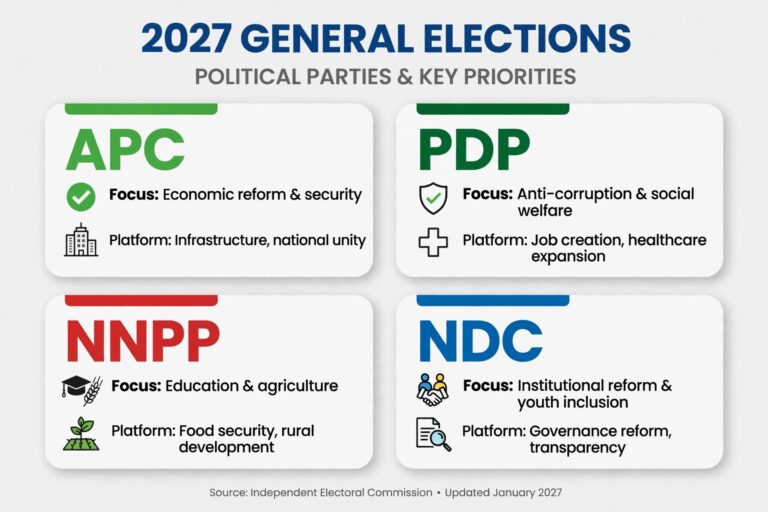
POLITICAL TENSIONS BUILD AS NIGERIA’S PARTIES PREPARE FOR 2027 ELECTIONS
Political competition is intensifying in Nigeria as parties and their leaders position themselves ahead of the 2027 general elections, the coming election is expected to focus attention on the economy, insecurity, employment, public infrastructure and the cost of living. President Bola Tinubu’s administration will face scrutiny over its economic policies and the extent to which…
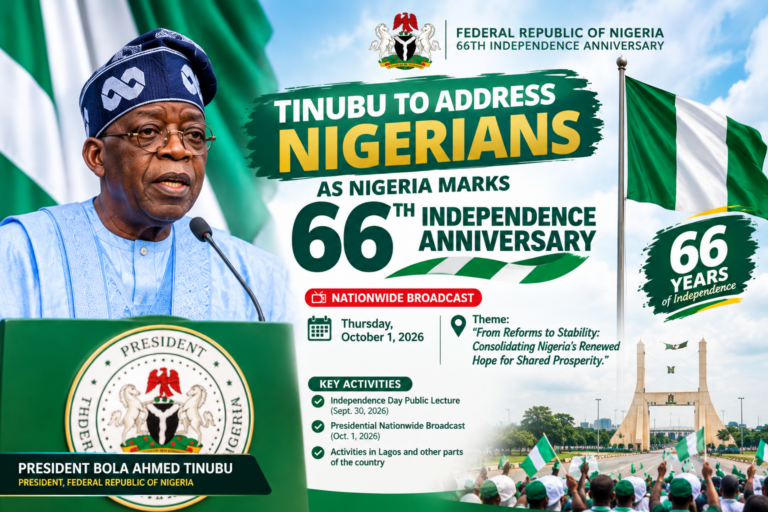
Tinubu to Address Nigerians as Nigeria Marks 66th Independence Anniversary
President Bola Ahmed Tinubu is scheduled to address Nigerians in a nationwide broadcast on Thursday, October 1, as the country marks its 66th Independence Anniversary. The broadcast is part of the Federal Government’s programme for the 2026 Independence celebrations, which have been designed as a relatively low-key commemoration. Nigeria gained independence from British colonial rule…
DANGOTE REFINERY’S ₦2.15 TRILLION IPO PUTS NIGERIA’S CAPITAL MARKET IN THE SPOTLIGHT
The planned initial public offering associated with Dangote Petroleum Refinery has attracted attention from investors across Africa, with reports putting the potential fundraising target at approximately ₦2.15 trillion. The share sale has been described as one of the continent’s largest initial public offerings and is expected to provide an opportunity for investors to participate in…
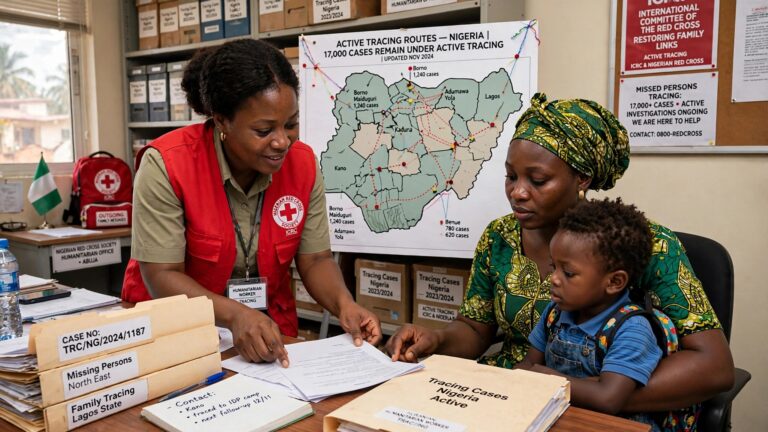
About 17,000 Missing-Person Cases Remain Under Active Tracing in Nigeria — ICRC
About 17,000 missing-person cases remain under active tracing in Nigeria, according to the International Committee of the Red Cross. The humanitarian organisation said the cases involve people whose whereabouts remain unknown, with many cases connected to armed conflict, violence, displacement and other emergencies. The ICRC said it works with the Nigerian Red Cross Society to…
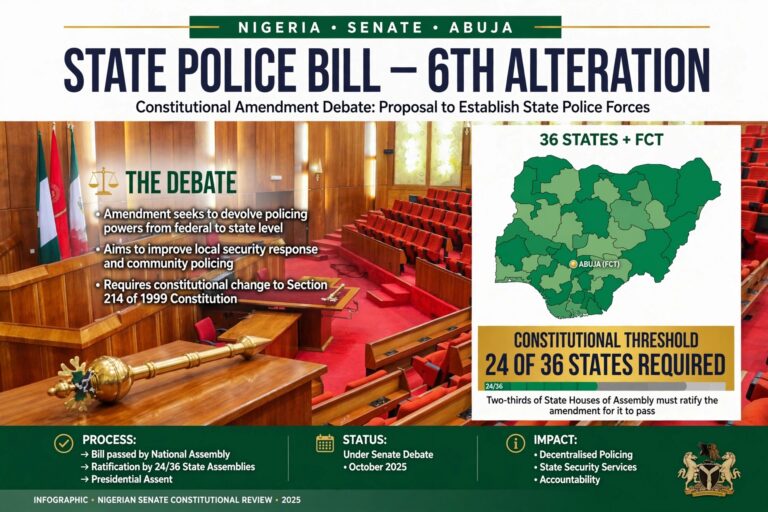
State Police Debate Gains Momentum as Senate Expresses Confidence in Constitutional Changes
The debate over the establishment of state police in Nigeria has gained renewed attention as discussions continue about constitutional changes intended to strengthen the country’s security architecture. The proposed State Police Services Bill is currently before the 36 state Houses of Assembly after the National Assembly transmitted it on September 16, 2026 as part of…
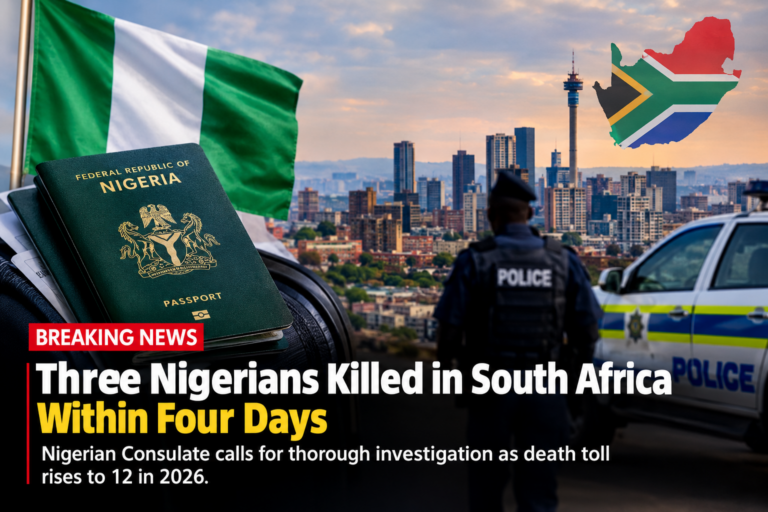
Three Nigerians Killed in South Africa Within Four Days as Consulate Demands Investigation
Fresh concerns have emerged over the safety of Nigerians living in South Africa following the deaths of three Nigerian nationals in separate incidents between September 18 and 21, 2026. The Nigerian Consulate-General in Johannesburg confirmed the deaths and called on South African authorities to thoroughly investigate the circumstances surrounding each incident. The three Nigerians were…