In Nigeria today, kindness is no longer always received as kindness. Sometimes, it is seen as a debt, a transaction, or a trap waiting to spring. When someone offers help, people do not just wonder how grateful they should be; they wonder what the person will demand in return. What will they want from me tomorrow? Will they use this favour against me when we disagree? Will I ever be free from the debt of their kindness? These questions reveal a painful truth: we have become a society where even genuine generosity can inspire fear. Many people grew up believing that love must always be repaid. They heard statements like, “I paid your school fees, so you must do what I say,” or “After everything I have done for you, you cannot refuse me” Over time, such experiences teach people that receiving help means surrendering their freedom. Gratitude becomes an obligation, and kindness becomes a tool for control, we see this pattern everywhere. Politicians distribute gifts and expect loyalty, some parents use their sacrifices to control their children’s decisions, some employers offer opportunities but demand unquestioning obedience, while certain friends keep an invisible record of every favour they have done. Consequently, many young people have adopted one rule: never owe anyone anything. They would rather suffer in silence than ask for help. They reject assistance, not necessarily because they are proud, but because they fear the emotional price attached to it. Sometimes, what looks like pride is simply self-protection. There are people who give to control and people who give because they genuinely care. The first group treats kindness as an investment, reminding you of their sacrifices whenever they need leverage. The second offers support without expecting ownership over your life. Unfortunately, repeated experiences with manipulative people can make us suspicious of everyone, including those whose intentions are sincere, but we must learn to distinguish between kindness that empowers and generosity that enslaves. Those who offer help must also examine their intentions. Are they extending a hand or placing a leash around someone’s neck? Do they want to see the person become independent, or do they prefer keeping them permanently indebted? True kindness should make someone’s burden lighter, not heavier. It should offer support without demanding submission or turning past sacrifices into weapons. Of course, gratitude matters. People should honour genuine agreements and appreciate those who help them. But there is a difference between expecting someone to fulfil a promise and using a favour to claim control over their life. Gratitude should be freely given, not forcibly extracted. To anyone who feels uncomfortable accepting help, remember this: you are not necessarily ungrateful for wanting to protect yourself. However, do not let past disappointments convince you that every helping hand comes with hidden motives. Independence is valuable, but it should not become a prison. There is strength in standing on your own, but there is also wisdom in accepting support when you need it. We all need people who can help us without humiliating us, correct us without controlling us, and support us without making us feel permanently indebted. We must also strive to become those people ourselves, imagine a society where parents support their children without claiming ownership over their futures, where friends help one another without keeping score, and where neighbours can show kindness without expecting political loyalty or personal favours. Perhaps then, we would begin to rebuild the trust we have lost. A society where every favour has a price is one where relationships become negotiations and kindness becomes a business. In the process, we lose more than trust; we lose meaningful connections and the freedom to receive help without fear, we must rebuild a culture of kindness that comes without hidden conditions, humiliation, or an invoice, because sometimes, the greatest gift you can give another person is not just the help they need today, but the freedom to move forward tomorrow without feeling that they belong to you. Not every favour should become a debt. Not every act of kindness should come with a hidden price. And not every helping hand should expect to control the life it helps.

Similar Posts
SIX YEARS AFTER #ENDSARS: NIGERIANS REMEMBER LEKKI SHOOTINGS
October 20, 2026, marks six years since the #EndSARS protests and the tragic shootings at the Lekki Toll Gate in Lagos, an event that remains one of the most defining moments in Nigeria’s recent history.The anniversary commemorates the young Nigerians who took to the streets in October 2020 to demand an end to police brutality,…
Educated, Unemployed and Unprepared: Is the Nigerian University Producing Graduates the Economy No Longer Needs?
CHIME CHUKWUAGOZIEM J. LL.bChukwuagoziem2003@gmail.com There is an uncomfortable question Nigeria must eventually answer: what is the social value of an education that confers a qualification but fails to confer meaningful economic capacity?For generations, the Nigerian university has operated almost as an article of faith. Go to university. Obtain a degree. Find a job. Build a…
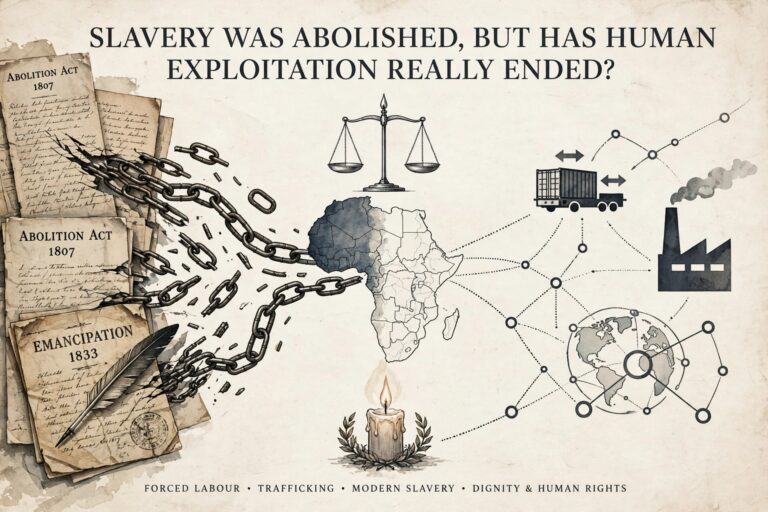
SLAVERY WAS ABOLISHED, BUT HAS HUMAN EXPLOITATION REALLY ENDED?
Human history contains achievements that deserve celebration and tragedies that demand permanent remembrance. The abolition of the transatlantic slave trade and the eventual legal abolition of slavery in many countries belong to both categories: they demonstrate the possibility of moral progress while reminding humanity of the extraordinary cruelty it once normalised, but a difficult question…
WHEN CHANGE BECOMES A BURDEN: THE NEED FOR STUDENT-CENTRED ADMINISTRATION IN OUR UNIVERSITIES
Can an administration truly progress when the people it is supposed to serve are struggling to adjust to its administrative decisions and reforms?They say change is the only constant thing in life. This is absolutely true, as no reasonable progress is achieved without making adjustments and allowing room for change. Humans desire progress and development…
APARTHEID ENDED, BUT THE FIGHT FOR EQUALITY CONTINUES
A country may change its constitution, elect a new government and officially abandon a system of oppression without immediately eliminating the inequalities that system created. South Africa’s history provides a powerful reminder that political freedom is a necessary beginning, not the final destination of justice. For decades, apartheid institutionalised racial segregation and discrimination in South…
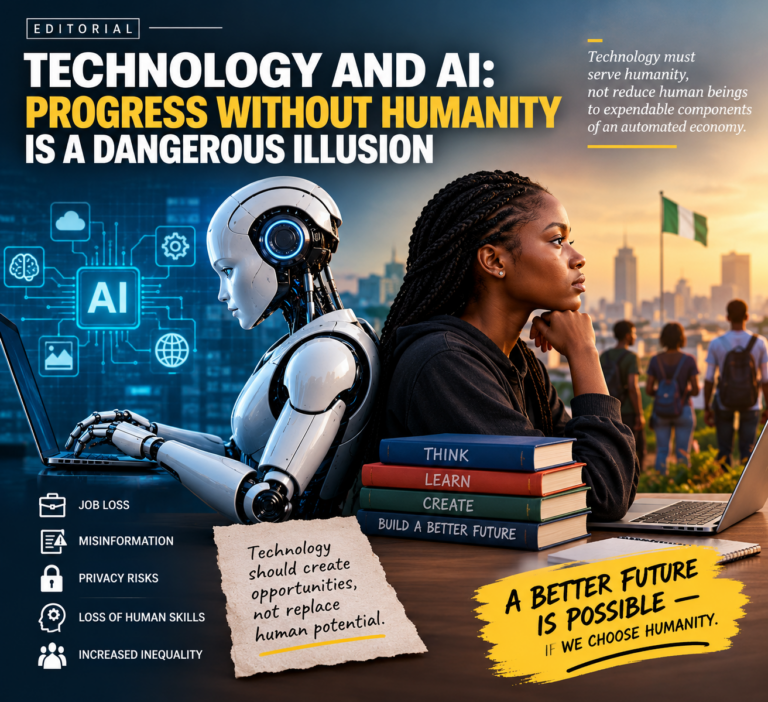
TECHNOLOGY AND AI: PROGRESS WITHOUT HUMANITY IS A DANGEROUS ILLUSION
Artificial intelligence is advancing at extraordinary speed, but society must confront an uncomfortable truth: technological progress does not automatically translate into human progress. We are living in an age where machines can write, analyse, create images, imitate voices and perform tasks once considered exclusively human. Artificial intelligence is transforming industries, reshaping economies and challenging our…