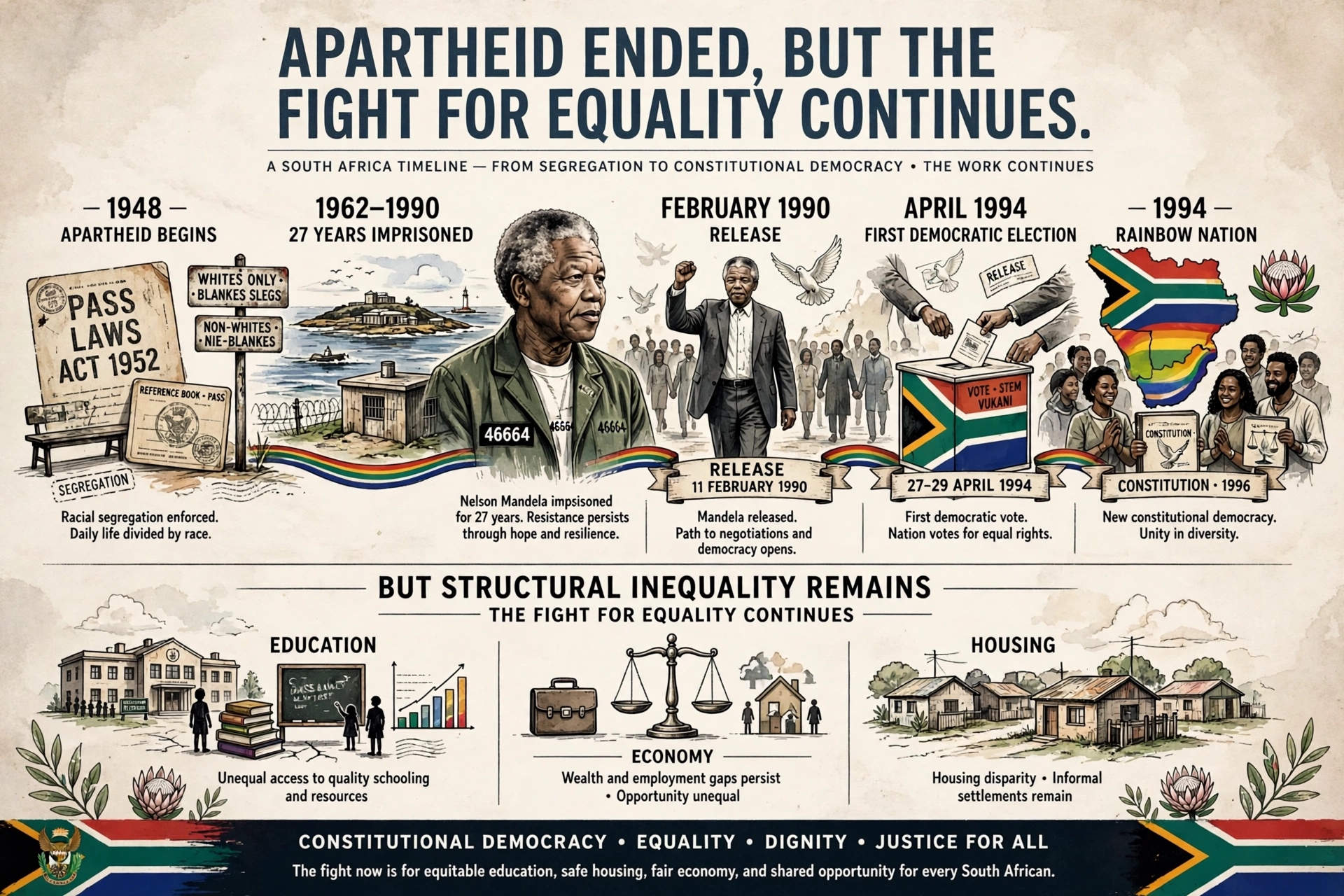
A country may change its constitution, elect a new government and officially abandon a system of oppression without immediately eliminating the inequalities that system created. South Africa’s history provides a powerful reminder that political freedom is a necessary beginning, not the final destination of justice. For decades, apartheid institutionalised racial segregation and discrimination in South Africa. The system denied the Black majority and other non-white communities equal political rights, restricted where people could live and work, and used state power to preserve white minority rule. Although racial discrimination existed before apartheid became the official policy of the National Party government in 1948, the apartheid system developed a comprehensive legal structure for enforcing racial separation. Black South Africans were subjected to pass laws, forced removals, restrictions on movement and unequal access to education and economic opportunities. Political resistance was met with repression, imprisonment and violence, the struggle against apartheid was long and costly. Organisations such as the African National Congress and the Pan Africanist Congress played significant roles in resistance, alongside trade unions, community groups, students and international anti-apartheid movements. Nelson Mandela became one of the most internationally recognised figures in the struggle. After being imprisoned in 1962 and later sentenced to life imprisonment in the Rivonia Trial, he spent 27 years in prison before his release in February 1990. Negotiations eventually paved the way for democratic elections in April 1994. Mandela became South Africa’s first Black president under the new democratic order, marking a historic rejection of formal white minority rule, the achievement was enormous. A system that had denied political equality to the majority was replaced by a constitutional democracy based on equal citizenship. Yet the end of apartheid did not automatically distribute wealth, land, education and economic opportunities equally. Decades of discriminatory policies had created deep structural inequalities that could not be erased by a single election. South Africa continues to face significant challenges involving unemployment, poverty, inequality and access to opportunity. These problems have multiple causes, and their persistence should not be used to dismiss the historic importance of the transition to democracy. Instead, they demonstrate that political liberation must be accompanied by sustained efforts to improve people’s material conditions. The lesson is relevant far beyond South Africa. Whenever a society moves away from an oppressive system, it must confront the institutional and economic arrangements that allowed the oppression to endure. Legal equality is essential, but people also need meaningful access to education, employment, healthcare, housing and justice. Without these foundations, the promises of political freedom may remain distant for those who continue to experience exclusion. Governments must therefore combine constitutional protections with practical policies that expand opportunity. Such policies should be transparent, sustainable and designed to address real disadvantages without creating new forms of injustice, citizens also have a responsibility to reject racial hatred and other forms of discrimination. A democratic society cannot thrive when people are judged as less deserving of dignity because of their identity. South Africa’s experience also warns against expecting one leader to solve every national problem. Mandela’s leadership and the broader anti-apartheid struggle were historically significant, but building an equitable society requires institutions, public participation and sustained commitment across generations. The fight against apartheid demonstrated that systems of oppression can be challenged. The decades since its formal end demonstrate that correcting their consequences requires patience, resources and honest leadership. Apartheid ended as a system of government, but the work of building genuine equality continues. The true measure of freedom is not simply whether people have equal rights on paper, but whether those rights open real opportunities for them to live with dignity.
Similar Posts
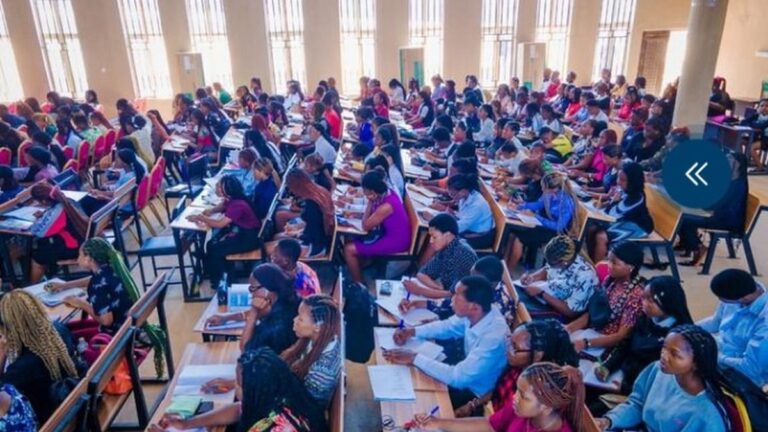
7 Things Every 100-Level Student Should Know Before Their First Semester
100 Level Students, Freshers, University Life, Student Tips, Academic Success, First Semester, Study Tips, Undergraduate Students, Education, AE-FUNAI
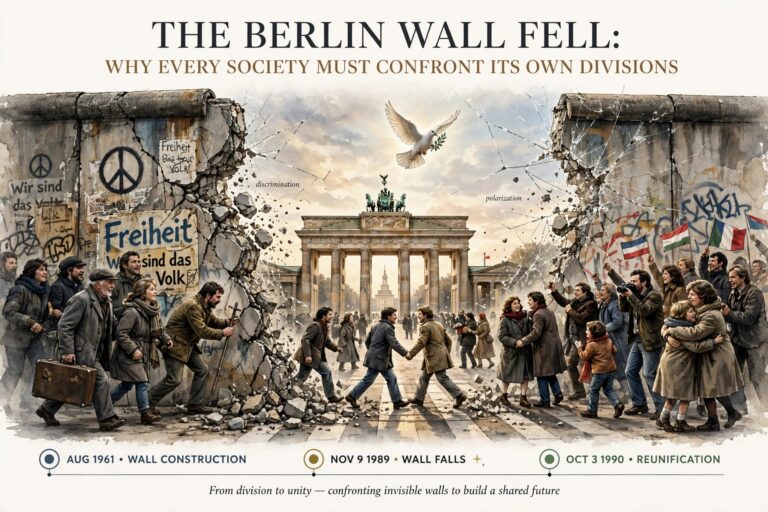
THE BERLIN WALL FELL: WHY EVERY SOCIETY MUST CONFRONT ITS OWN DIVISIONS
On November 9, 1989, an event unfolded in Europe that became one of the most recognisable symbols of political change in modern history. The Berlin Wall, which had divided East and West Berlin for nearly three decades, was opened, allowing people to cross a barrier that had separated families, restricted movement and symbolised the division…
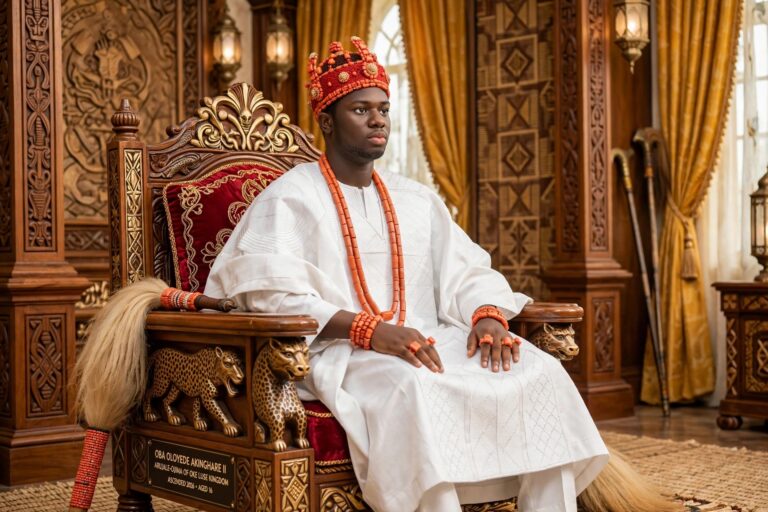
Why This Young Nigerian King Says You Must Not Call Him ‘Bro’
A young Nigerian king has made one thing clear: his age does not make his throne any less sacred. Imagine meeting a king who is younger than many of the people standing before him. Apparently, not if you are dealing with the palace of Oba Oloyede Akinghare II, the Arujale-Ojima of Okeluse Kingdom in Ondo…
WHO SUFFERED THE MOST IN GAME OF THRONES? ARYA, JON, RICKON OR SANSA STARK?
Four Stark siblings. Four heartbreaking journeys. One family destroyed by war, betrayal and the relentless pursuit of power. But which of them truly suffered the most? In the brutal world of Game of Thrones, being born into the Stark family was supposed to mean honour, loyalty and a proud Northern legacy. Instead, for the children…
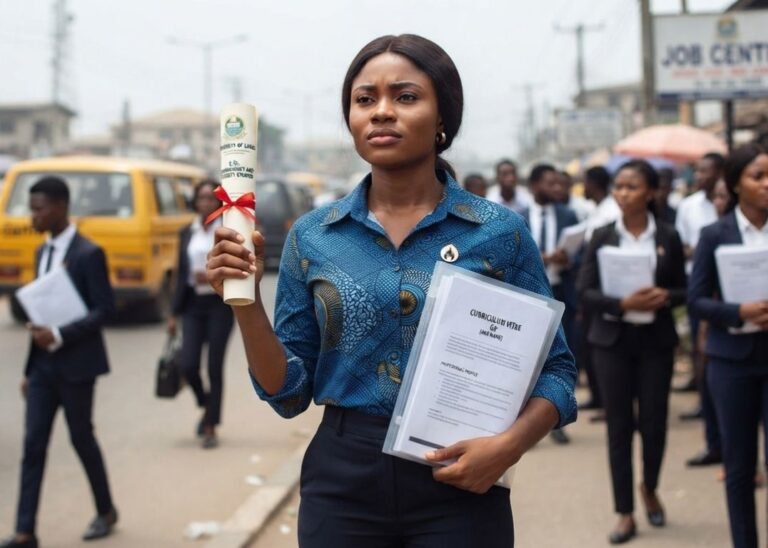
WE WERE ASKED TO GET A DEGREE BUT NOBODY TOLD US THERE WOULD BE NO JOB AFTER GETTING A DEGREE
Growing up, I had one answer for everyone who asked me, “What do you want to be?” A doctor. A real medical doctor. I pictured myself in a white coat. Saving lives. Making my parents proud. But then there was mathematics. And blood. Math stood in the way like a wall I couldn’t climb. And…
THE PRESSURE TO LOOK SUCCESSFUL IS DESTROYING A GENERATION
We are living in a generation where looking successful sometimes matters more than actually becoming successful. People are struggling financially but presenting luxurious lifestyles online. Some borrow money to celebrate birthdays, rent expensive outfits to create an impression, travel to places they cannot comfortably afford and purchase things they do not need simply to convince…