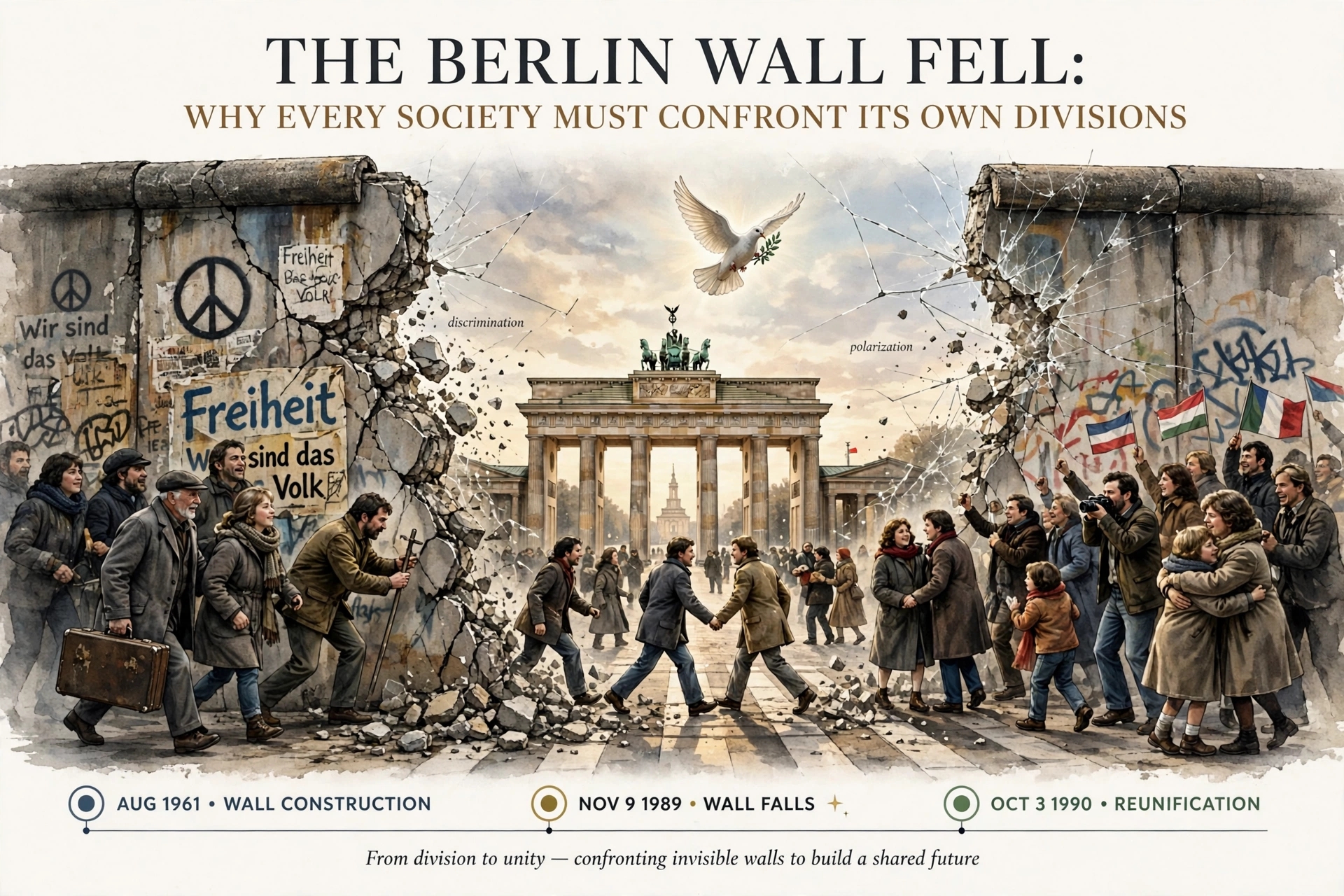
On November 9, 1989, an event unfolded in Europe that became one of the most recognisable symbols of political change in modern history. The Berlin Wall, which had divided East and West Berlin for nearly three decades, was opened, allowing people to cross a barrier that had separated families, restricted movement and symbolised the division of a continent. The wall’s fall was not merely the collapse of a physical structure. It represented the weakening of a political system that had relied on restrictions, surveillance and the suppression of freedom of movement. Constructed by East German authorities in August 1961, the Berlin Wall was intended to stop the mass departure of East Germans to West Berlin and the West. Its barriers, fences and guarded crossings became a visible expression of the wider Cold War division between communist Eastern Europe and the Western bloc, for many people, the wall was a daily reminder that political systems could determine where citizens lived, whom they visited and whether families remained together. By the late 1980s, pressure for reform was increasing across Eastern Europe. Economic difficulties, public demonstrations, political changes in neighbouring countries and growing demands for freedom weakened the authority of established communist governments. In East Germany, public protests grew as citizens demanded political reform and greater freedom. On November 9, 1989, an announcement concerning new travel regulations was communicated in a confused manner by East German official Günter Schabowski, who indicated that the rules would take effect immediately. Crowds gathered at border crossings, and guards eventually allowed people through. The wall did not disappear entirely that night, but its political function collapsed. Germany was formally reunified on October 3, 1990. The historical significance of this event extends beyond Germany. It demonstrates that political divisions which appear permanent can eventually be overcome when public pressure, institutional change and political circumstances converge. However, the lesson should not be simplified into the claim that every political barrier will fall automatically. The collapse of the Berlin Wall resulted from a particular combination of historical developments, and Germany’s reunification required substantial political, economic and social work, the deeper lesson is that governments must be cautious about building systems around fear and exclusion. Physical walls can separate territories, but societies also construct invisible walls through discrimination, misinformation, ethnic hostility, political polarisation and the denial of equal opportunities, these divisions can prevent people from recognising their shared interests. They can also make cooperation more difficult by encouraging citizens to view neighbours as threats rather than fellow human beings. Nigeria and other diverse societies can draw important lessons from this history. National unity is not strengthened when differences are ignored or when citizens are pressured to remain silent about injustice. It is strengthened when institutions provide fair opportunities for participation and when disagreements can be resolved peacefully. The fall of the Berlin Wall also reminds us that freedom requires responsibility. Political change must be followed by institutions that protect rights, support democratic participation and address the economic and social challenges that can persist after a historic transition,celebrating the wall’s fall should not mean pretending that all divisions in Europe disappeared with it. Nor should the event be used to suggest that one historical experience offers a complete solution to every country’s problems. Its enduring message is more modest and more powerful: political arrangements are created by human beings, and human beings have the capacity to change them, the Berlin Wall fell because a system that seemed immovable could no longer contain the forces demanding change. Every society should remember that lasting peace comes not from making division permanent, but from building institutions in which freedom, dignity and peaceful coexistence can survive.
Similar Posts
THE RISE OF FAKE PRODUCTS IN NIGERIA: WHAT EXACTLY ARE WE BUYING?
There was a time when the word “fake” in Nigeria mostly brought to mind imitation clothes, shoes, phones or designer products.Today, the question is becoming much more serious:What if the product we are calling fake is something we are eating, drinking, applying to our bodies or taking as medicine?That is the disturbing reality behind Nigeria’s…
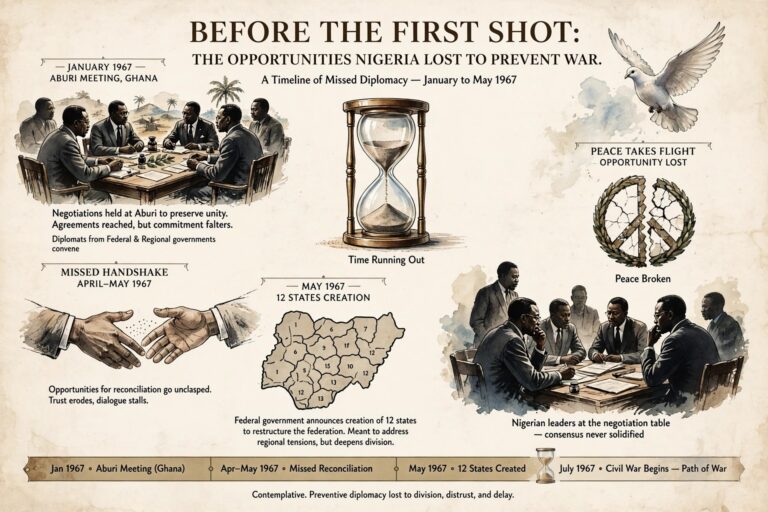
BEFORE THE FIRST SHOT: THE OPPORTUNITIES NIGERIA LOST TO PREVENT WAR
Wars are often remembered through their most dramatic moments: the declaration of hostilities, the first gunshots, the advance of armies and the eventual surrender of one side. Yet the most important lessons of many conflicts lie in the days and months before the fighting begins, when peaceful alternatives still exist, the Nigerian Civil War offers…
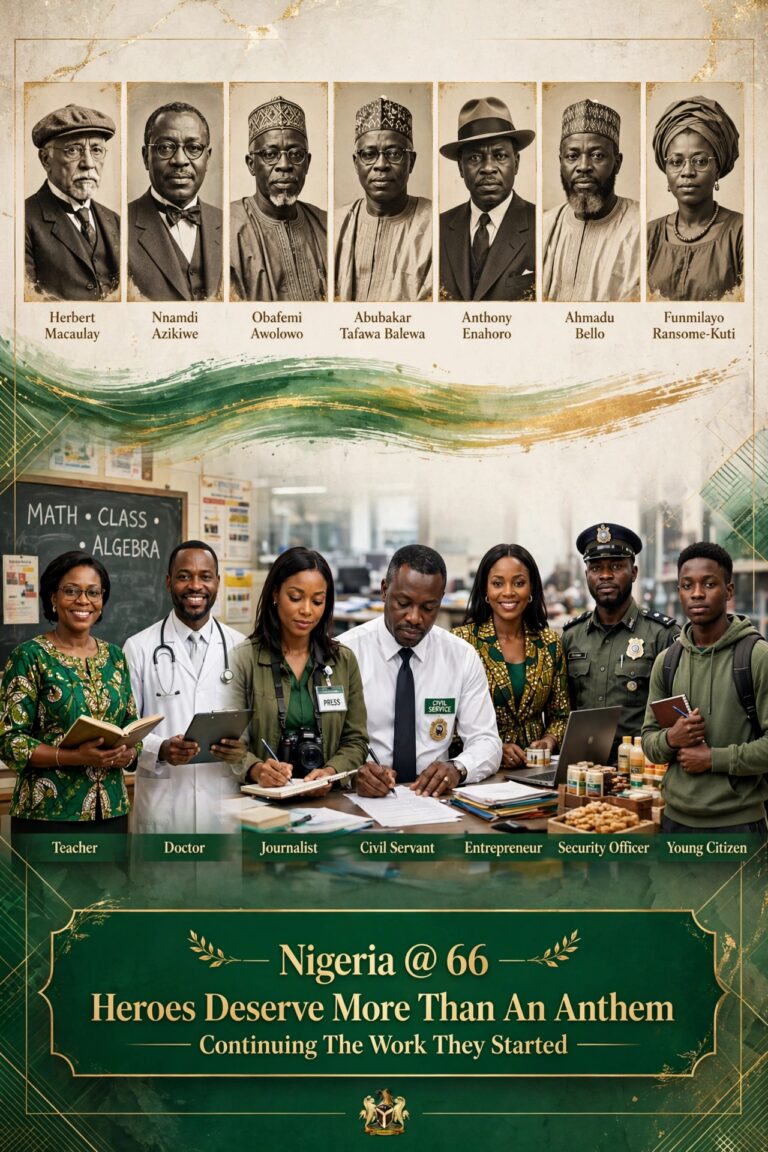
Nigeria’s Heroes Deserve More Than a National Anthem
Every October 1, Nigeria remembers her heroes. We hear their names, we see their portraits, we repeat the familiar stories of independence, sacrifice and patriotism. Then the speeches end, the flags come down. And, too often, the lessons disappear with them. But Nigeria’s heroes deserve more than a few paragraphs in an Independence Day speech,…
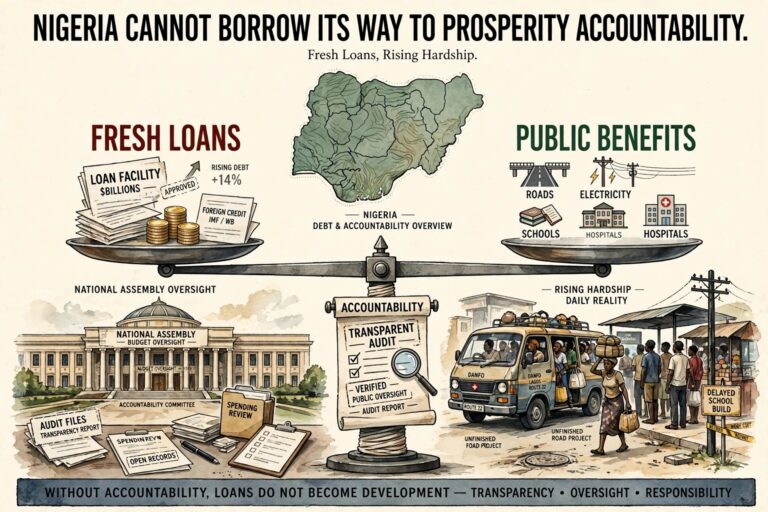
NIGERIA CANNOT BORROW IT’S WAY TO PROSPERITY WITHOUT ACCOUNTABILITY
Fresh Loans, Rising Hardship and the Urgent Need to Show Nigerians What They Are Paying For. Nigeria’s development challenge is not simply a shortage of money. It is also a question of how public resources are raised, managed, spent and accounted for, the Federal Government’s request for legislative approval of approximately $21.7 billion in external…
Broke People Don’t Get to Philosophise About Money(So I Did It for Us)
I was having a conversation with a friend and I realised everything we talked about revolved around money. For any of our plans to work or even fail, it needed money. It got me thinking: how did the world become so dependent on money, or its modern equivalents? How did power get so tightly attached…
“When God Doesn’t Give You Something, Don’t Push”: Dangote Speaks on Not Having a Son.
For years, the idea of having a male child to carry on a family name and legacy has remained deeply rooted in many African societies. But for billionaire businessman Aliko Dangote, having a son is not something he considers a priority. Dangote made this known during an interview with ARISE News when he was asked…