
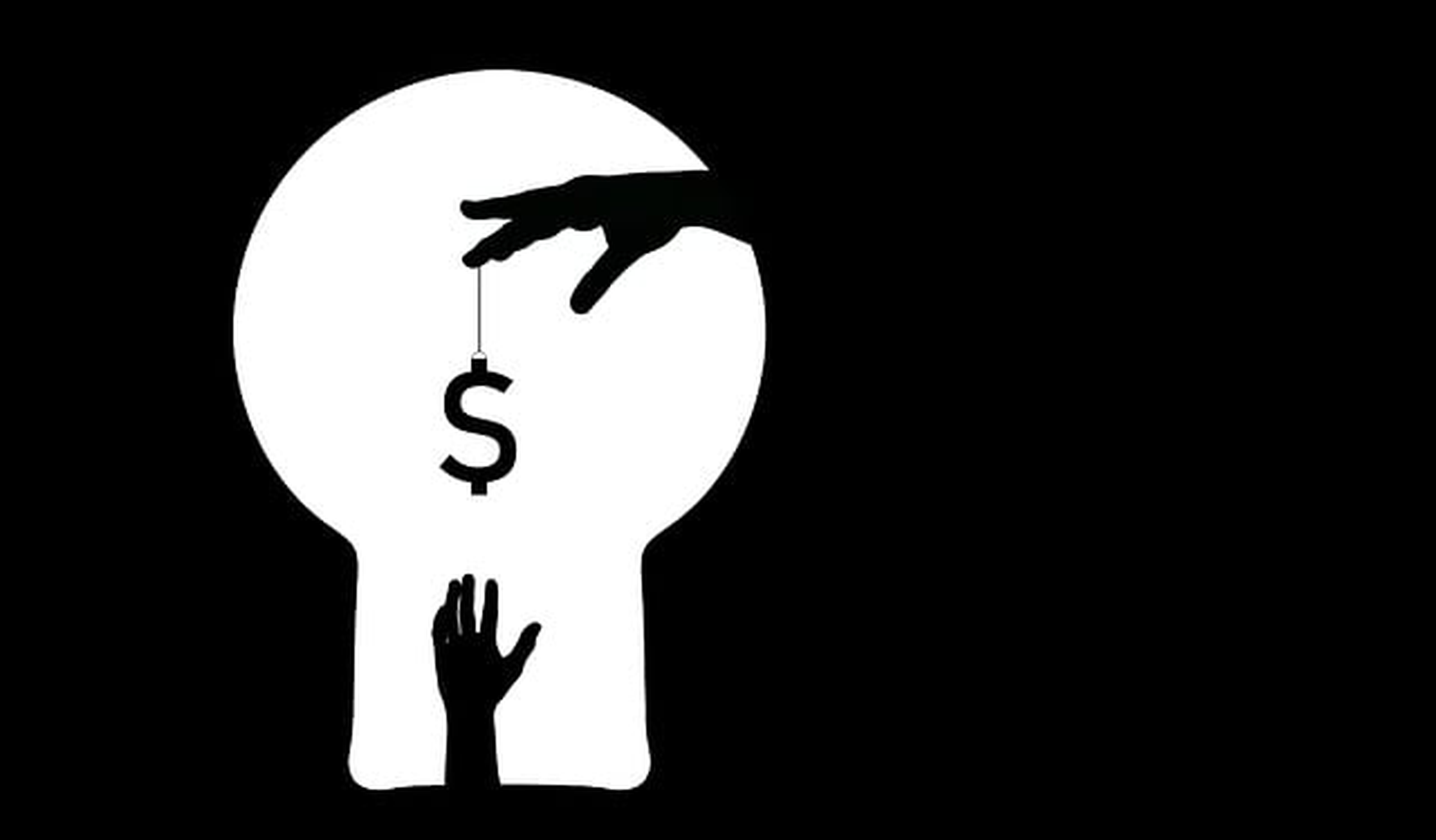
I was having a conversation with a friend and I realised everything we talked about revolved around money. For any of our plans to work or even fail, it needed money. It got me thinking: how did the world become so dependent on money, or its modern equivalents? How did power get so tightly attached to it, including the power to live?
You might want to stick around a little bit longer to unravel this with me. Or if you think you can do without money, this is your cue to skip this piece.
So, where did money even come from?
Well, apparently, money has not always looked like the notes and coins we know today. Different societies have used all sorts of things to represent and exchange value-seashells, cowries, metals, livestock and, rather surprisingly, parmesan. Yes, parmesan. It was literally used as bank collateral in Italy.
But as I looked into how money evolved, I realised it was doing more than just helping people buy and sell things. It gave people a way to measure value and, perhaps more importantly, to keep that value for later. You could have something society accepted as money today and still have it available tomorrow. And that little detail is important, because once value could be kept, it could also be accumulated.
Now, what happens when this money is not spent, when it is accumulated?
Money stored over time equates to accumulated value. This is where money became interesting. Having money today is very helpful. But having money left over after today? That gives you value to work with tomorrow. You can spend it, save it, invest it, or use it to acquire something valuable that can eventually bring more money. That is where wealth and capital come in.
Wealth is basically accumulated value, while capital is working wealth. This creates a rather interesting cycle: having resources can give you access to opportunities that can create even more resources. For example, someone with savings can take a business opportunity, learn a new skill, take calculated risks, or even survive a period without income that someone living without a paycheck cannot afford. This doesn’t mean that having money guarantees more money. Certainly not! You can ask someone who has lost an investment. But it does mean that starting with some accumulated wealth can change the kinds of choices and opportunities available to you.
Maybe this is one of the reasons money became so powerful. It evolved from being something you can use to something you can build with.
Let’s think about education for a moment. It’s often talked about as though everyone is given the same opportunity to work hard and build something for themselves. It’s not always that simple. Money is a major determinant of a person’s educational experience. It can determine the kind of school one attends, accessibility to books, gadgets, internet, and conditions that influence how much easier their educational experience is. A student who has their fees, accommodations, transportation, feeding and learning materials taken care of has a very different set of circumstances from someone who has to worry about all these things while trying to study.
Then there’s the after school experience. The quality of education and opportunities a person can access affects the skills they can develop, the qualifications they can obtain and eventually the kind of job or career available to them. So, money can influence more than what you can afford today. It can also influence the opportunities you have to prepare for tomorrow.
It gets even more interesting: what happens when these advantages don’t stop with one person but are passed from parents to children?
Imagine two children growing up in different financial situations. One has parents who can comfortably pay school fees, good accommodation, books, gadgets, and even handle unexpected expenses. The other has parents who are trying their best but every expense has to be carefully considered. Neither of these children have earned any of these advantages. They just started from different places and that gap can widen over time. A family with accumulated wealth would be able to give their child better education, financial support, more opportunities, or even a safety net to allow them take risks that others would turn away from. It would be safe to say that money can give the next generation a head start before they have even had a chance to earn anything by themselves. This doesn’t mean that having wealthy parents would guarantee success, the same way coming from a less wealthy family doesn’t mean one cannot succeed. But it raises an interesting question: if two people are running the same race but one of them starts several paces ahead, can we really say they started from the same place? At this point money begins to look like more than an individual possession but a leverage that can influence choices and opportunities available to people who haven’t earned it themselves.
There’s something about money: it gives you room to breathe. Think about two people who are presented with the same opportunity but they might not have the same freedom to take it, and sometimes that difference might be money. Having money gives you the ability to make comfortable decisions. An unexpected expense might be frustrating but it doesn’t turn your life into chaos. You might be able to leave that job that isn’t working, take a course, move for a better opportunity, start something new or simply take your time before making a decision. But when every naira you have already has a job, your options become much narrower. You might have to choose what brings money now even if it’s not what you would have chosen if you had more resources. That’s another reason money has so much power. It doesn’t just determine what you can afford but it also determines your freedom to choose.
If money can give people more room to choose, then naturally it can also affect how they experience life. This brings us to the question everyone seems to have an opinion on: does money actually make us happier? Try telling someone who doesn’t know where their next meal is coming from that money has nothing to do with their happiness. Money eases up the stress of life in real ways. It can provide food, decent accommodation, access to healthcare, education, transportation and occasional luxury that makes life a little more enjoyable. Even having spare cash for unexpected expenses would be a breath of fresh air. On the other hand, having a lot of money doesn’t necessarily equate to lots of happiness. Maybe the issue isn’t whether money can buy happiness. Maybe it’s that not having enough money can make happiness harder to pursue.
And there’s something funny money does to how we see people. Someone walks into a room wearing expensive clothing, smelling nice, carrying a fancy bag and has probably parked a really nice car outside, and before he or she says a word, we may have already made a few assumptions about them. They must be doing well. They probably know what they are doing. None of these things actually tell you how wealthy the person is. But somehow wealth has been conditioned to be a social signal. We no longer see money as a means of exchange but as evidence of success, achievement, security or importance. This can affect how people are treated. Someone can be given preferential treatment because they give off the impression of wealth. It’s worthy to note that looking wealthy and being wealthy are actually two different things. Someone can spend a lot of money trying to look wealthy without actually having much wealth, while someone else can have a lot of wealth and barely show it.
This shows money became powerful not simply because it could buy things but because of the leverage that comes with it. Having it begins to affect opportunities, choices, security, wellbeing, and even as basic as how people are perceived.
Ultimately, money on its own is just paper, metal, or digital entries. Its power comes from the societal leverage attached to it, the way it shapes opportunities, choices, security, and even how we’re perceived.
So no, that 2k sitting in your account right now won’t buy you a seat at the table money built. But it’ll get you dinner. I, meanwhile, am accepting reparations for the emotional labour of thinking this hard about capitalism on a weekend. Donations in the form of nsala also accepted.


Money is not everything but money can get you everything🙂😔 .
…the power to live 😪
Great read, Jessie.
And there’s really a great divide between people who look wealthy and those who really are wealthy, especially in this our time.
Great read, Jessie.
And there’s really a great divide between people who look wealthy and those who really are wealthy, especially in this our time.
This is soo good!♥️