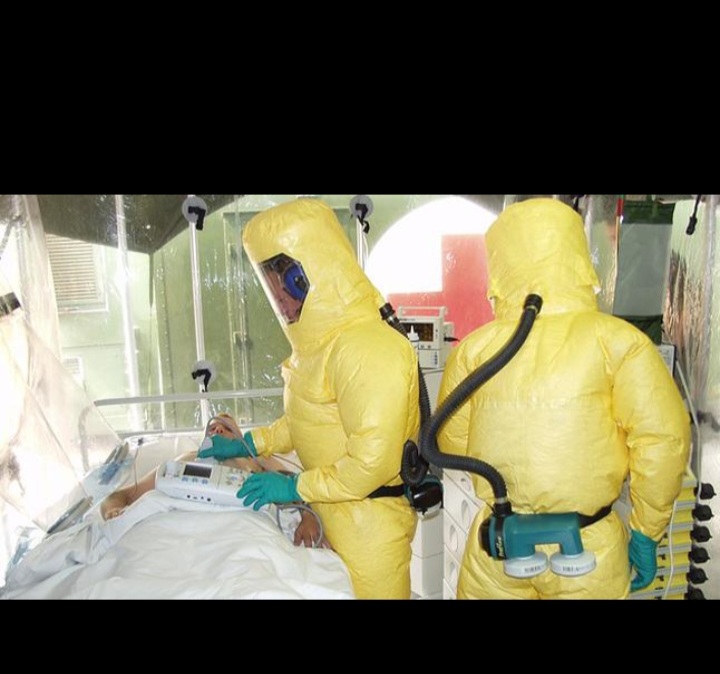
Nigeria has confirmed an Ebola virus disease case in Abuja, prompting health authorities to intensify surveillance and begin tracing people who may have been exposed to the infection. The Federal Government confirmed the case on October 20, following laboratory testing of a female patient with a recent travel history involving Uganda. The patient has been isolated and is receiving medical care. Health officials have identified 44 contacts and commenced monitoring as part of efforts to prevent further transmission. The Federal Ministry of Health and Social Welfare, working with the Nigeria Centre for Disease Control and Prevention and other relevant agencies, is coordinating the national response, the authorities are working to establish the patient’s movements, identify individuals who may have been exposed and ensure that suspected cases are promptly investigated. Healthcare facilities have also been urged to maintain vigilance and follow appropriate infection prevention and control procedures, the response is particularly important because the patient travelled internationally before the infection was confirmed. Ebola is a serious viral disease that can cause severe illness. It is primarily transmitted through direct contact with the blood or other bodily fluids of an infected person who is symptomatic, or through contaminated materials, the disease does not spread through the air in the same way as influenza or measles. Members of the public should avoid contact with the bodily fluids of anyone suspected of having the disease and seek medical attention if they develop concerning symptoms after a possible exposure, people should also avoid spreading unverified information that could cause unnecessary panic.The development has prompted renewed regional attention, with the Africa Centres for Disease Control and Prevention scheduling an extraordinary virtual meeting of African health ministers for October 28, the meeting is expected to address regional coordination and measures to strengthen the response to the outbreak. Nigeria previously experienced an Ebola outbreak in 2014, when coordinated surveillance, contact tracing and public health interventions played important roles in containing the disease. Authorities are now working to ensure that the current case does not lead to further transmission. The immediate priority is to monitor the identified contacts, protect healthcare workers and determine whether additional cases emerge, the identification of 44 contacts does not mean that all 44 people are infected. Contact tracing is a precautionary measure designed to identify and monitor people who may have been exposed. Nigerians are advised to follow official updates from the Federal Ministry of Health and the Nigeria Centre for Disease Control and Prevention as investigations continue.
Similar Posts
Oyo, Kwara and Ekiti Declare October 5 Work-Free for Teachers
Teachers in Oyo, Kwara and Ekiti states have been granted a work-free day as the states join the global community in marking World Teachers’ Day. The three state governments declared Monday, October 5, 2026, a work-free day for teachers to enable them to participate in activities marking the annual celebration. World Teachers’ Day is observed…
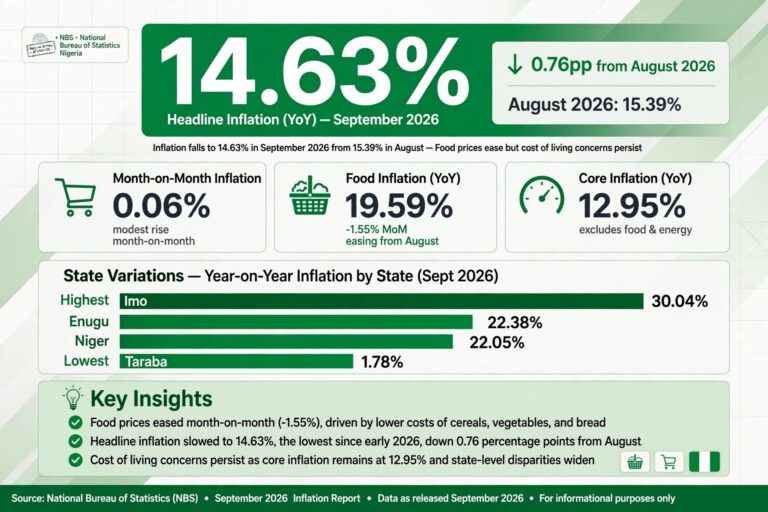
NIGERIA’S INFLATION FALLS TO 14.63% AS FOOD PRICES EASE, BUT COST-OF-LIVING CONCERNS PERSIST
Nigeria’s headline inflation rate declined to 14.63 per cent in September 2026 from 15.39 per cent in August, according to figures released by the National Bureau of Statistics. However, the improvement does not mean that the high cost of living has disappeared. Nigeria recorded another decline in its headline inflation rate in September 2026, offering…
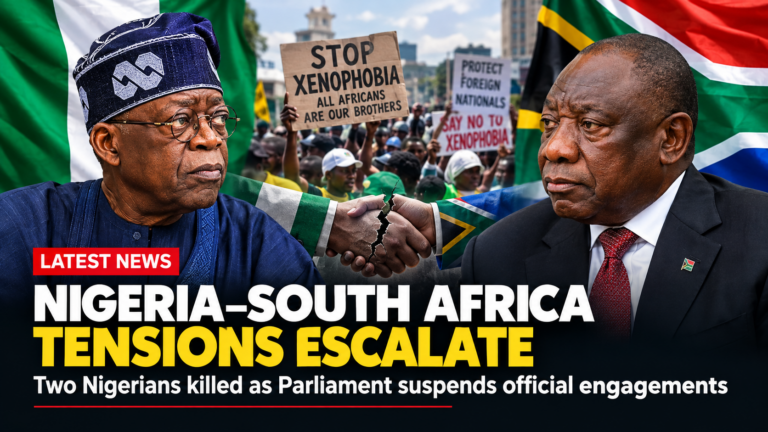
Nigeria-South Africa Tensions Escalate as Two Nigerians Are Killed Amid Anti-Migrant Violence
Tensions between Nigeria and South Africa have intensified following the reported deaths of two Nigerian nationals in South Africa, as concerns over the safety of Nigerians living and doing business in the country continue to grow. Nigeria’s Ministry of Foreign Affairs confirmed that two Nigerian citizens, James Uchechukwu Nwankwo and Bishop Taiwo Michael Fakunle, were…
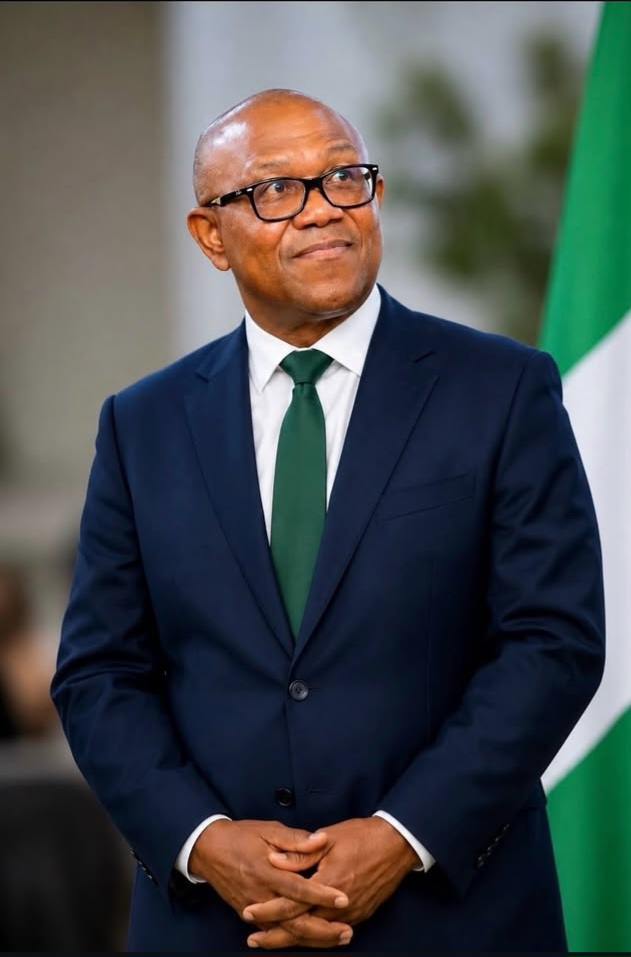
Peter Obi Questions Economic Reforms, Says Ordinary Nigerians Are Yet to Feel the Benefits
Pesidential candidate Peter Obi renewed criticism of Nigeria’s economic conditions on Monday, October 12, 2026, arguing that improvements reported in some economic indicators do not translate into better living standards for ordinary citizens. The former Anambra State governor and presidential candidate of the Nigeria Democratic Congress (NDC) made the remarks in a statement titled Celebrating…
INEC Sets October 9 for Nationwide PVC Collection Ahead of 2027 Elections
The Independent National Electoral Commission has announced October 9, 2026, as the date for the commencement of nationwide collection of newly issued Permanent Voter Cards. The announcement comes as preparations intensify for Nigeria’s 2027 general elections. INEC said the PVC collection exercise would enable newly registered voters and other eligible citizens to obtain their cards…
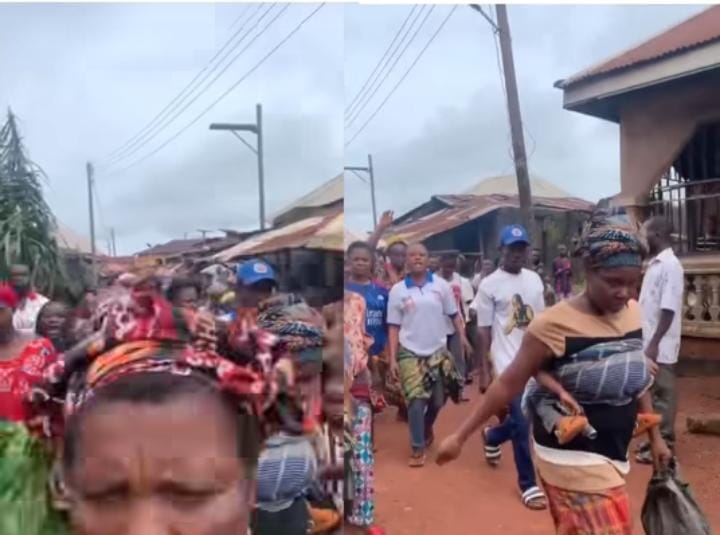
Ohafia Community Drama: Woman Reportedly Banished Over Alleged Affair With Two Brothers
A social-media report has sparked widespread reactions after a woman was reportedly banished from her community in Ohafia, Abia State, following allegations of sexual relations with two brothers. A woman identified only in circulating social-media posts has reportedly been expelled from Amuma, Ohafia, Abia State, after she was allegedly caught having sexual relations with two…