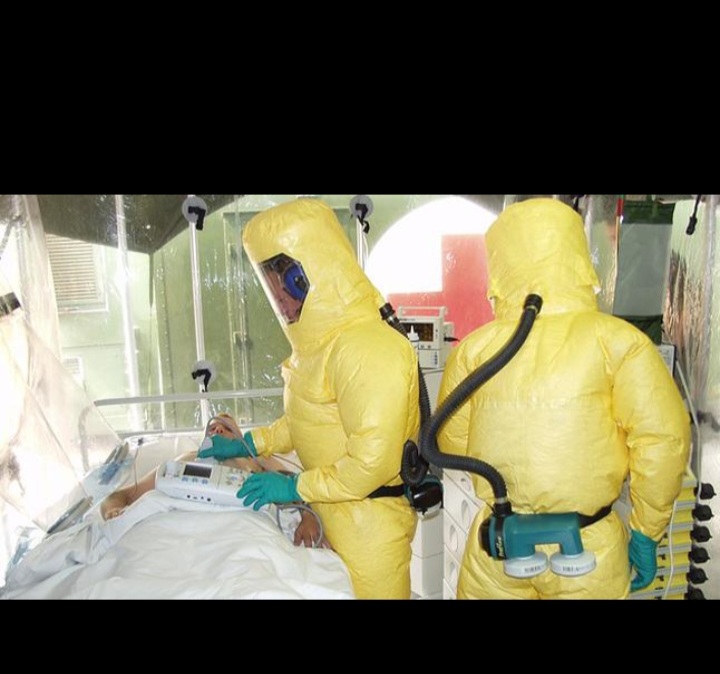
Nigeria has stepped up its Ebola preparedness following confirmation of a case involving a woman who arrived in Abuja from Uganda, prompting health authorities to begin contact tracing and strengthen surveillance measures. The development has placed public-health authorities on alert as they work to prevent further transmission, The patient is a Ugandan woman who arrived in Abuja through Addis Ababa on October 5, she reportedly developed symptoms on October 7. Testing for Ebola was conducted later, and the positive result was confirmed on October 20, authorities subsequently began tracing people who may have come into contact with her. At the time of the initial report, officials had identified 44 contacts, most of whom were healthcare workers, while efforts were also being made to trace fellow passengers, these figures reflect the reported situation at that time and should not be treated as the latest total without checking subsequent health updates. The Nigerian government has said it is implementing containment measures and strengthening preparedness, contact tracing, isolation, infection prevention and control, and surveillance are important components of the response to a suspected or confirmed Ebola case, health authorities also need to communicate accurate information to the public to prevent unnecessary panic and counter misinformation. Ebola is a serious viral disease that can cause severe illness, transmission generally occurs through direct contact with the blood or other bodily fluids of an infected person who is showing symptoms, or with contaminated materials, it is not spread simply because someone is in the same country as an infected person. Anyone who believes they may have been exposed should contact qualified health professionals or the appropriate public-health authorities rather than attempting to diagnose or treat themselves. Nigeria’s priority is to identify potential contacts, ensure appropriate medical care and prevent further transmission, the situation requires vigilance, reliable public information and cooperation with health officials. Members of the public should rely on updates from the Federal Ministry of Health, the Nigeria Centre for Disease Control and Prevention, and other recognised health authorities.
Similar Posts
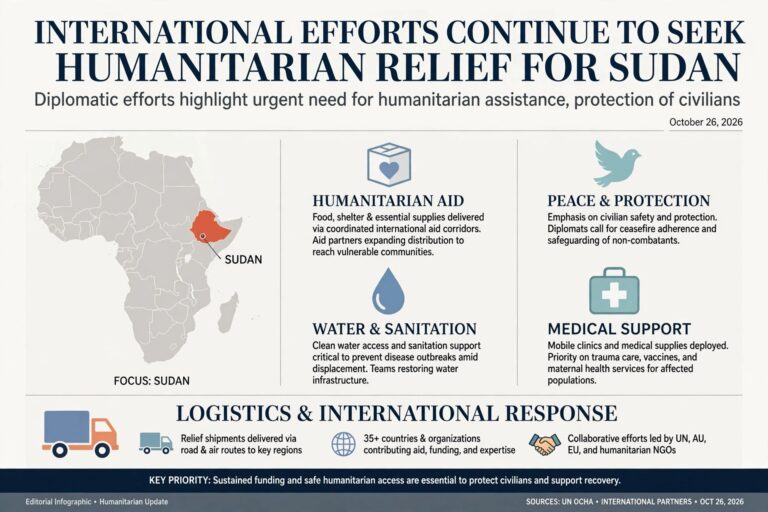
INTERNATIONAL EFFORTS CONTINUE TO SEEK HUMANITARIAN RELIEF FOR SUDAN
Diplomatic efforts to address Sudan’s continuing conflict have highlighted the urgent need for humanitarian assistance and measures to protect civilians. The conflict has created serious challenges for communities affected by violence, displacement and disruptions to essential services, international discussions have focused on ways to improve humanitarian access and create conditions that could reduce the immediate…
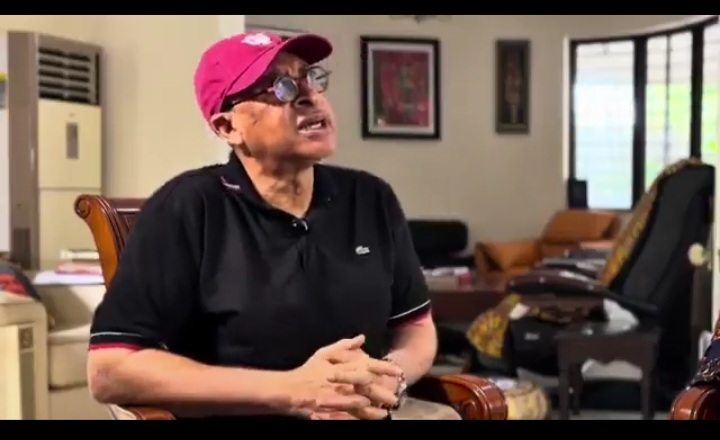
PAT UTOMI QUESTIONS WHY NIGERIANS CONTINUE TO DEFEND APC GOVERNMENT AMID ECONOMIC HARDSHIP
The political economist has criticised supporters who defend the ruling party despite widespread complaints about the cost of living and the challenges facing ordinary citizens. Professor Pat Utomi, a Nigerian political economist, has expressed concern over what he described as the willingness of some Nigerians to defend the All Progressives Congress government despite the difficulties…
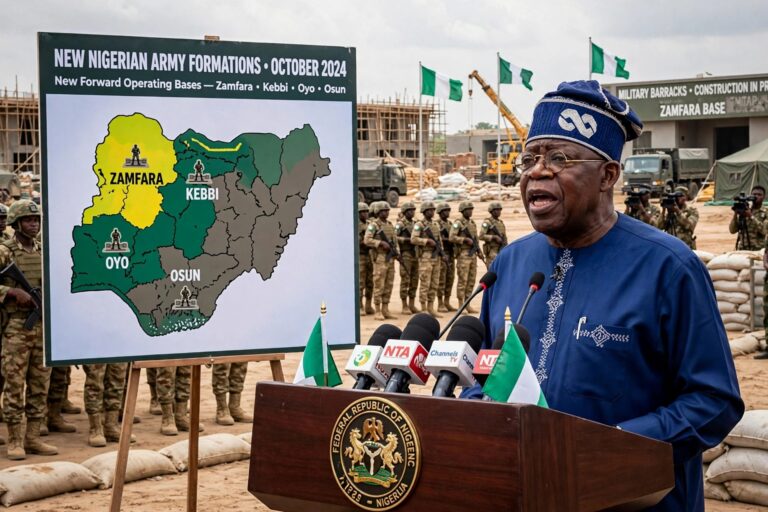
Tinubu Announces New Army Formations in Four States as Nigeria Intensifies Security Push
President Bola Ahmed Tinubu has announced the operationalisation of new Nigerian Army formations in Zamfara, Kebbi, Oyo and Osun states, in a move aimed at bringing security personnel closer to vulnerable communities. The President disclosed the development while highlighting his administration’s efforts to strengthen the operational capacity of the Armed Forces and improve the country’s…
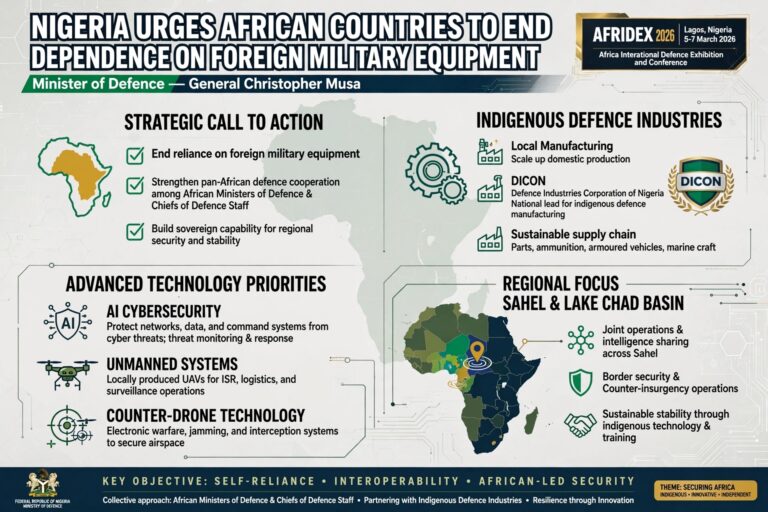
NIGERIA URGES AFRICAN COUNTRIES TO END DEPENDENCE ON FOREIGN MILITARY EQUIPMENT
Nigeria has called on African countries to strengthen indigenous defence industries and reduce their dependence on foreign military equipment as part of efforts to improve continental security. The Minister of Defence, retired General Christopher Musa, made the appeal during a strategic engagement with African ministers of defence and chiefs of defence staff at the Africa…
POLITICAL REALIGNMENT IN OYO AS PDP CANDIDATE, ACCORD ASPIRANT JOIN APC WITH THOUSANDS OF SUPPORTER
SA political realignment has been reported in Oyo State after a Peoples Democratic Party candidate and an Accord aspirant joined the All Progressives Congress alongside thousands of supporters. Hammed Ademola, the PDP candidate for Ibadan North-East State Constituency 2 in the 2027 general elections, reportedly joined the APC on Friday. Adedapo Ojo, an Accord aspirant…
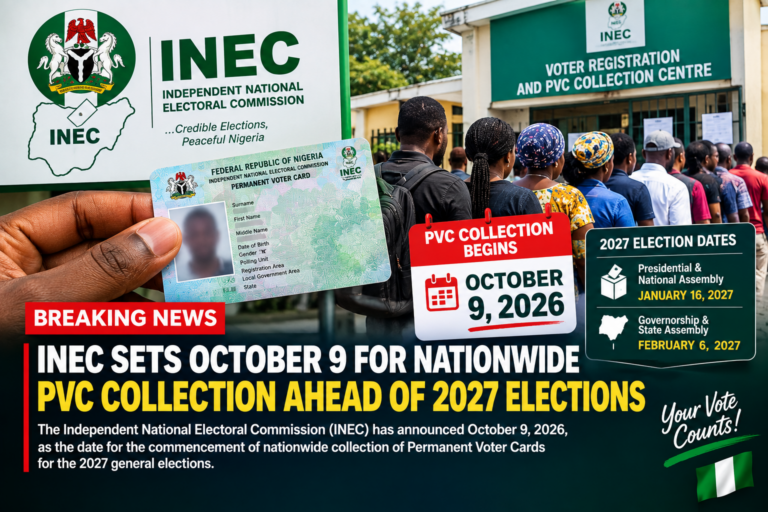
INEC Sets October 9 for Nationwide PVC Collection Ahead of 2027 Elections
The Independent National Electoral Commission has announced October 9, 2026, as the date for the commencement of nationwide collection of newly issued Permanent Voter Cards. The announcement comes as preparations intensify for Nigeria’s 2027 general elections. INEC said the PVC collection exercise would enable newly registered voters and other eligible citizens to obtain their cards…