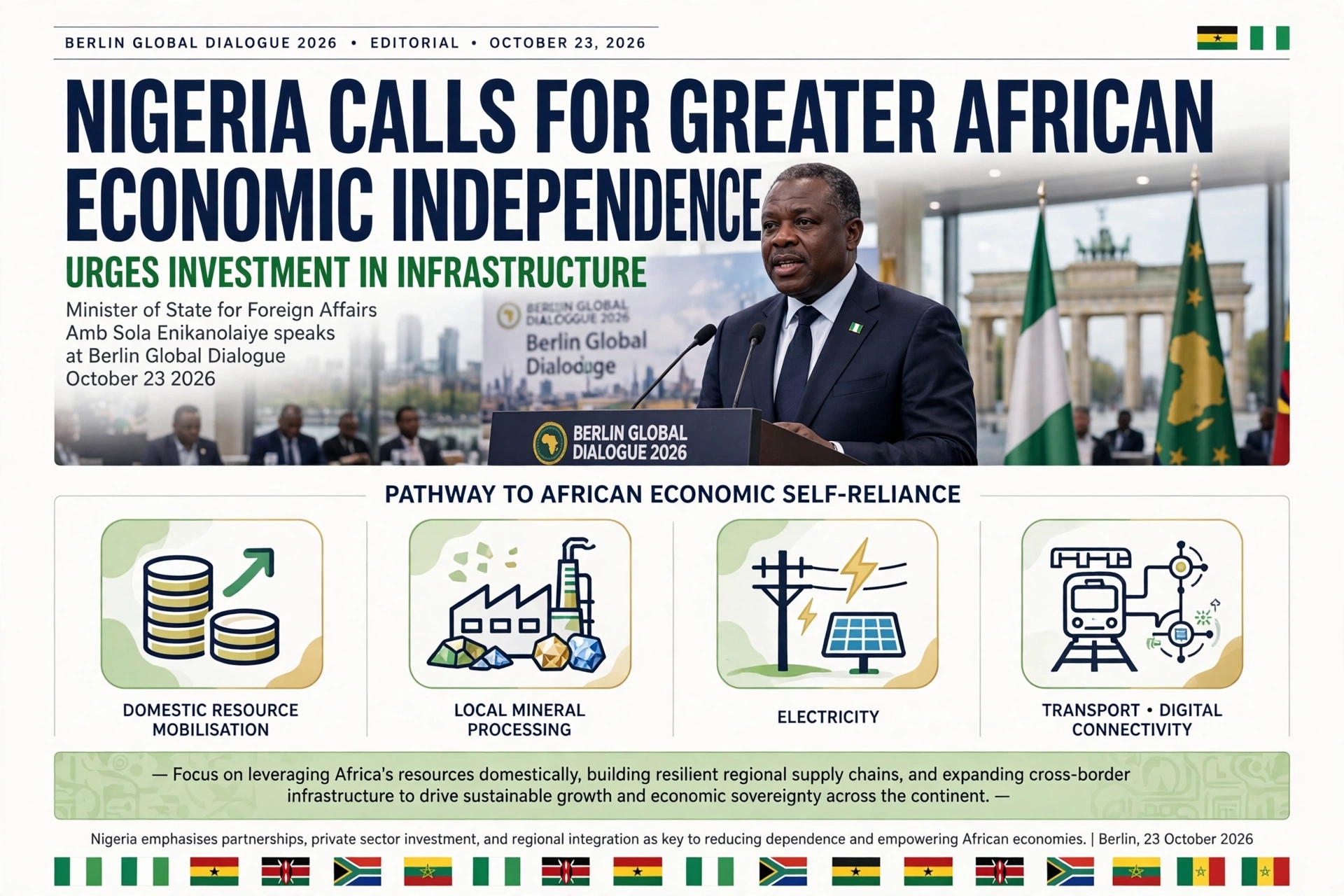
Nigeria’s delegation at the Berlin Global Dialogue says African countries must strengthen domestic resources, process raw materials locally and build strategic partnerships that support development. Nigeria has called for greater African economic independence, stronger domestic resource mobilisation and strategic investment in infrastructure as part of efforts to accelerate sustainable development across the continent. The position was presented by the Minister of State for Foreign Affairs, Ambassador Sola Enikanolaiye, during discussions at the Berlin Global Dialogue 2026. According to a report published by Radio Nigeria Abuja on October 23, the minister argued that Africa’s engagement with the international community should be guided by national sovereignty, mutual respect and the continent’s development priorities, the remarks reflect Nigeria’s push for partnerships that attract foreign investment while giving African countries a greater role in determining how their economies develop. Enikanolaiye called for a more pragmatic approach to international partnerships, arguing that African countries should prioritise arrangements that advance their national interests, rather than relying exclusively on rigid political alliances, the approach would encourage cooperation based on shared economic objectives and practical benefits. Nigeria’s position also emphasises that foreign capital should complement domestic investment rather than replace the need to mobilise resources within African economies, the minister reportedly referred to investment in Nigerian businesses as an example of how capital from different countries can contribute to economic development. For Nigeria, the challenge is to attract investment while ensuring that the resulting economic activities generate employment, strengthen domestic industries and contribute to public revenue. A major point raised during the discussions was the need for African countries to reduce their dependence on exporting raw minerals without processing them locally, Enikanolaiye argued that investors should establish processing industries in Nigeria, subject to appropriate environmental safeguards and protections for host communities. The issue is important because processing raw materials locally can create additional economic activity beyond the initial extraction stage, depending on the industry, local processing may support jobs, technical skills, manufacturing and the development of related businesses. However, establishing such industries requires reliable electricity, transportation infrastructure, access to finance, skilled workers and predictable regulation, environmental protection and the rights of host communities must also be considered to ensure that economic activity does not create lasting harm, the minister identified reliable electricity, efficient transportation and digital connectivity as essential foundations for industrial growth. Electricity shortages can increase operating costs and limit production, while inefficient transport networks can make it more expensive to move goods between farms, factories, ports and markets, reliable digital infrastructure is increasingly important for financial services, education, commerce and technology-based businesses, improving these systems could help Nigerian businesses compete more effectively and make the country more attractive to long-term investors. The minister also called for stronger project preparation, predictable regulations and transparent procurement processes, these measures can help reduce uncertainty for investors and improve the management of public infrastructure projects. The discussions also highlighted the potential role of regional and continental financial institutions in supporting development. Institutions mentioned in the report included Afreximbank, the African Development Bank and the ECOWAS Bank for Investment and Development, such institutions can help finance projects, support trade and provide mechanisms for mobilising investment. The minister also referred to the African Credit Rating Agency as part of the wider discussion about investment risks and financing, acess to long-term funding remains important for infrastructure projects that require substantial initial investment and may take years to generate returns. Nigeria’s call for greater economic independence comes as governments across Africa continue to seek ways to strengthen local industries, attract investment and reduce vulnerability to external economic shocks. For Nigeria, the challenge involves converting policy statements into practical outcomes, including improved electricity supply, industrial expansion, job creation and greater value addition in the production of raw materials, foreign investment can support those objectives, but the country also needs effective institutions, transparent contracts and policies that encourage productive domestic investment. Ultimately, the success of the approach will depend on whether the proposed partnerships generate measurable benefits for businesses, workers and communities.
Similar Posts
Lagos Intensifies Sanitation Enforcement as Waste Management Remains a Public Concern
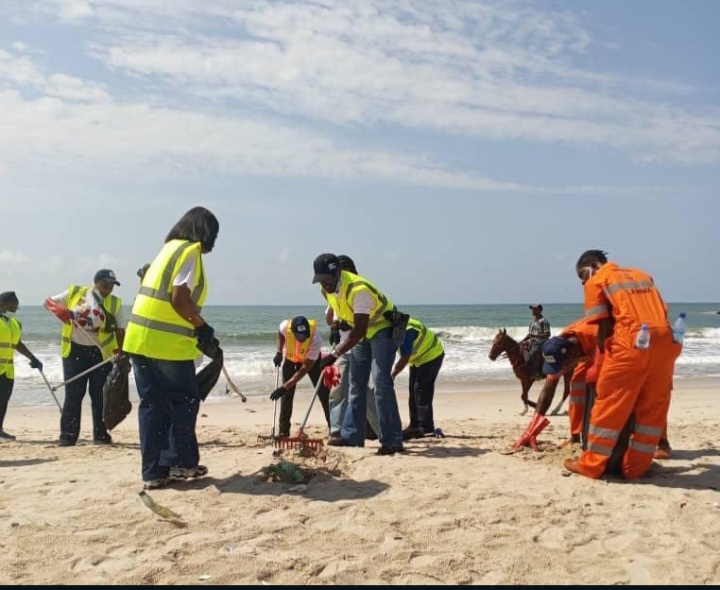
Waste management and environmental cleanliness remain important public concerns in Lagos as authorities continue efforts to maintain cleaner streets and improve sanitation practices. A local news listing published on October 14 highlighted sanitation enforcement activities involving the Lagos Waste Management Authority (LAWMA). LAWMA has now confirmed the specific operation. The Lagos Waste Management Authority (LAWMA),…
FG TARGETS 14 GERMAN COMPANIES FOR FRESH INVESTMENTS IN NIGERIA
The Federal Government has intensified efforts to attract German investors into Nigeria as it seeks fresh capital and technology for key sectors of the economy. About 14 German companies are reportedly exploring investment opportunities in areas including cement, mining, construction and industrial technology. The development follows renewed discussions between Nigerian officials and German business representatives…
24 Nigerians Identified by US Immigration Authorities in Enforcement Action
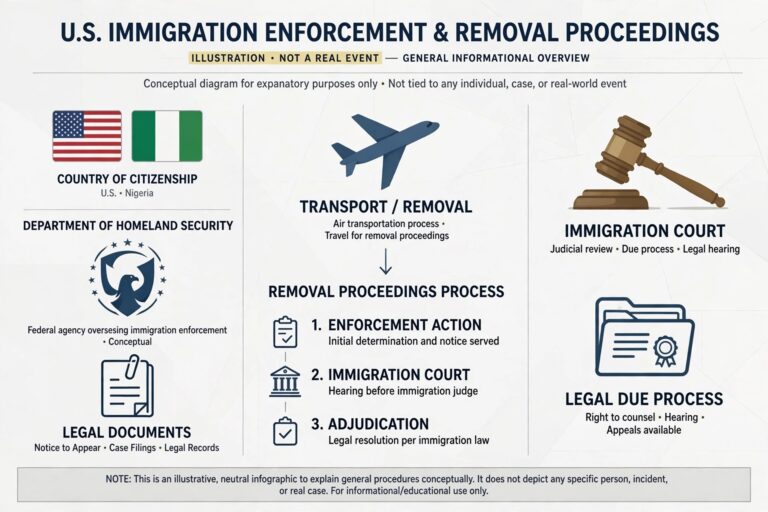
24 Nigerians Identified by US Immigration Authorities in Enforcement ActionThe United States Department of Homeland Security (DHS) has released the names and photographs of 24 Nigerians arrested by Immigration and Customs Enforcement (ICE) in connection with various alleged criminal offences, as part of its ongoing immigration enforcement and deportation campaign. The list was published on…
Unspent Education Funds and Poor Reading Skills Raise Fresh Concerns in Nigeria
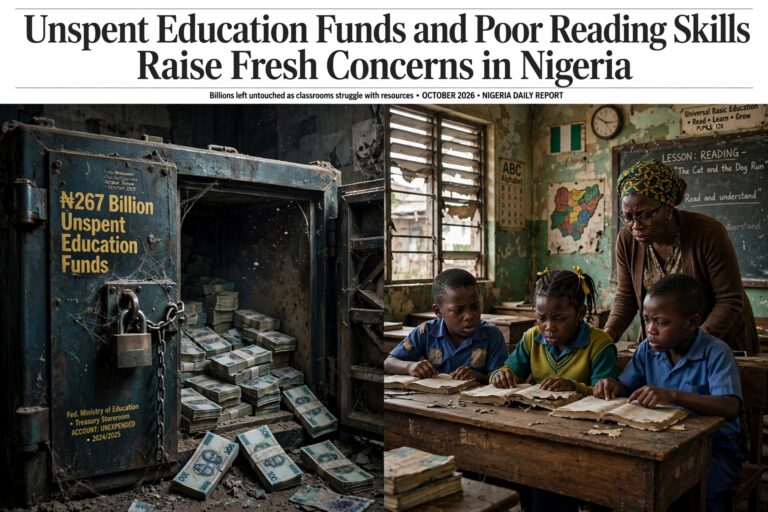
Fresh concerns have emerged over the management of education funding in Nigeria following a report highlighting unspent education resources alongside persistent difficulties with children’s reading skills. The report, has renewed attention on the relationship between public spending, school performance and the quality of basic education. The figures cited in the report include ₦267 billion in…
Army Foils Kidnap Attempt, Rescues Three Victims in Plateau
Troops of the Nigerian Army have foiled a suspected kidnapping operation in Plateau State and rescued three people who were reportedly targeted by the attackers. The incident occurred along the Sha-Daffo Road in Daffo District of Bokkos Local Government Area. According to the military, troops of Sector 5, Operation Enduring Peace, responded to a distress…
FG Highlights Economic Reforms as Nigeria Marks 66 Years of Independence
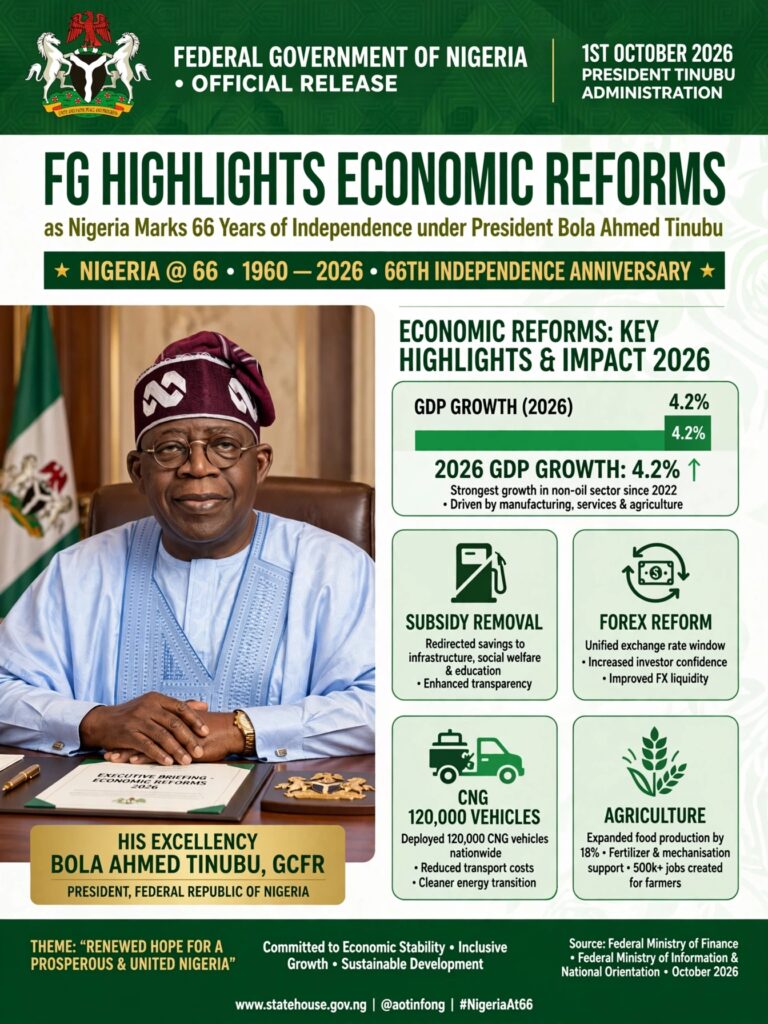
The Federal Government has highlighted economic reforms introduced under President Bola Ahmed Tinubu as Nigeria marks its 66th Independence Anniversary. Secretary to the Government of the Federation, George Akume, made the remarks on Wednesday during the 66th Independence Anniversary Public Lecture in Abuja. Akume said the administration’s reforms since 2023 were designed to address longstanding…