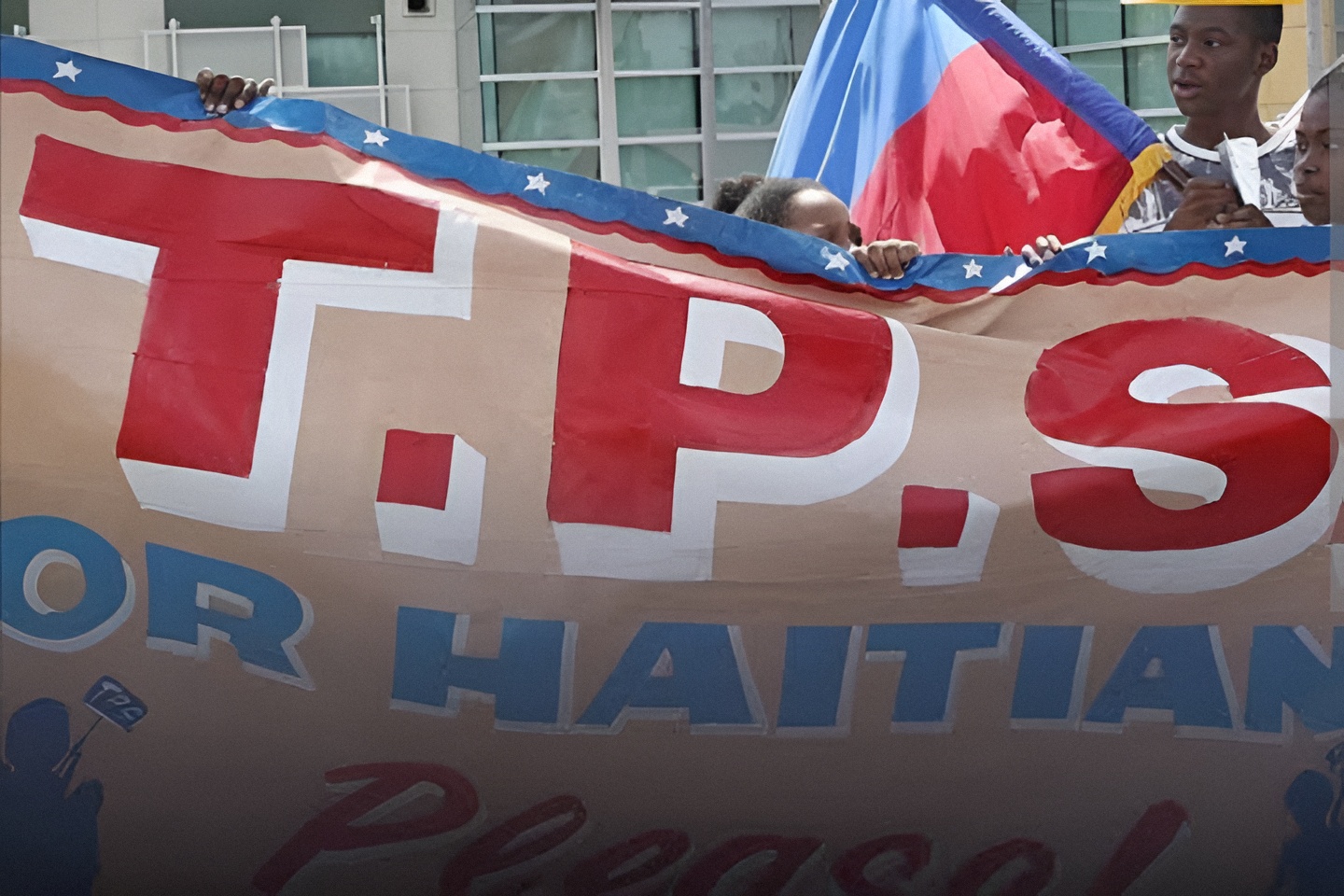
The sudden and formal termination of Temporary Protected Status (TPS) for Haitian nationals living within the United States has triggered an immediate humanitarian and economic crisis. The administrative decision places an estimated 350,000 individuals—who have built legally recognized lives, businesses, and families in the U.S. over years of displacement—under immediate threat of forced deportation back to a country currently experiencing a near-total collapse of state infrastructure.
The policy shift arrives at the worst imaginable moment for the Caribbean nation. While international security forces have concentrated their resources on securing major government sectors within the capital of Port-au-Prince, heavily armed criminal syndicates have rapidly shifted their tactical focus to undefended rural regions. A horrific massacre carried out by armed gangs in the farming enclave of Kenscoff, located in the hills directly overlooking the capital, serves as a grim indicator of this geographical expansion. The raid resulted in at least 47 civilian fatalities and dozens of critical injuries as gang members systematically torched homes and executed residents to establish territorial control outside the urban center.
The removal of TPS protections threatens to severely destabilize both the domestic U.S. healthcare sector and the fragile Haitian remittance economy. A significant percentage of the 350,000 affected individuals operate as essential frontline healthcare workers, community organizers, and small business owners within major metropolitan hubs across eastern U.S. states. Forcing these populations back to a warzone not only threatens their survival but also severs the critical financial lifelines that keep millions of remaining Haitian civilians supplied with food, clean water, and medical provisions.
Non-governmental organizations, immigration advocacy networks, and international observers have strongly criticized the decision, labeling the mass repatriation plan as an active violation of basic humanitarian principles. With a new United Nations assessment confirming that gang violence is expanding unchecked into previously peaceful agricultural regions, the absolute breakdown of local law enforcement means returning deportees face an environment characterized by systemic kidnapping, extortion, and zero institutional protection.