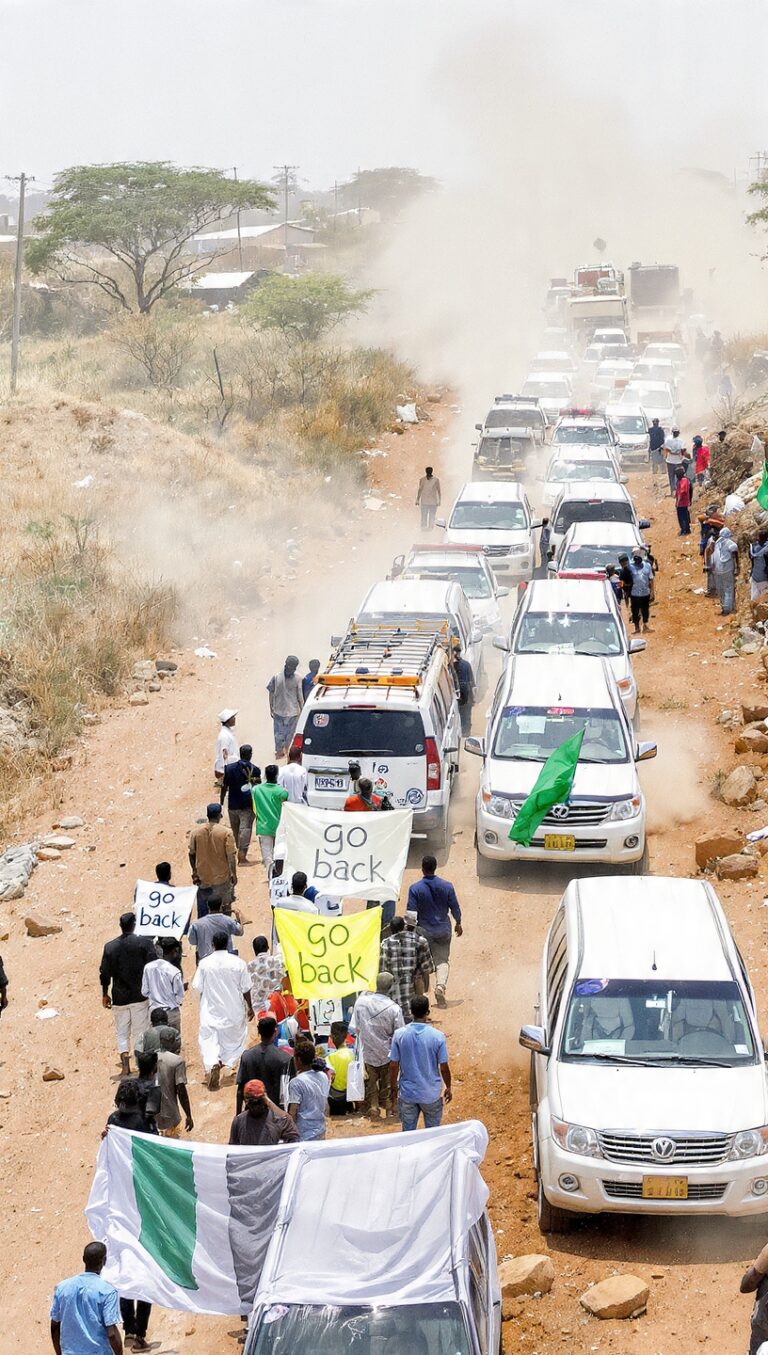
Internal intelligence and security sector consensus figures have confirmed a devastating 66% surge in kidnapping incidents across Nigeria, illustrating a total breakdown of local containment strategies. Comprehensive data tracking abductions between July 2025 and mid-2026 reveals that Nigerian citizens paid a staggering minimum of 7.78 billion naira in direct cash ransoms to criminal syndicates and terrorist organizations. The financialization of insecurity has transformed the practice of mass abduction from localized opportunistic crimes into a highly coordinated, multi-billion-naira macroeconomic enterprise.
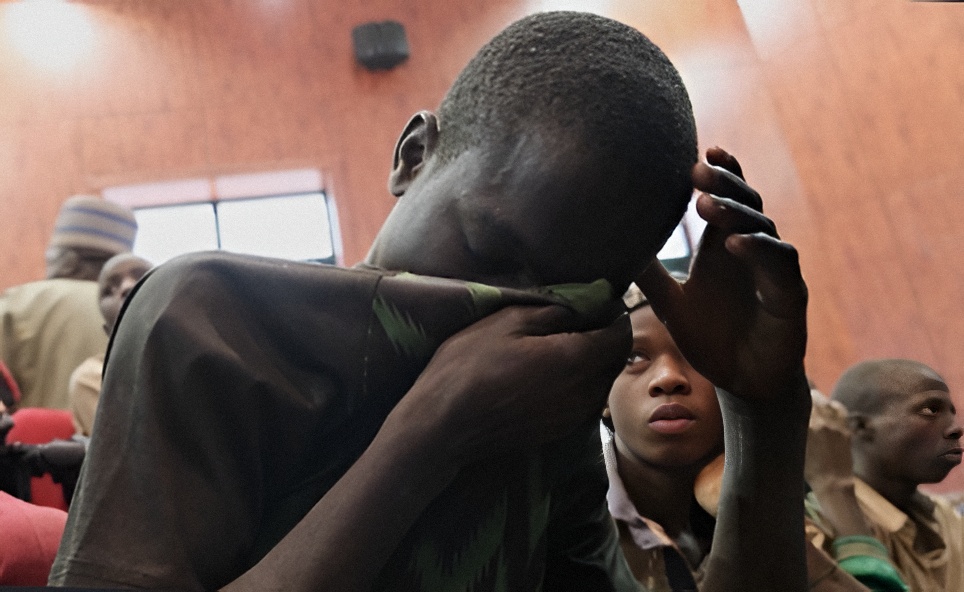
The current reporting cycle highlights a severe intensification of both scale and lethality. Over the designated twelve-month period, at least 7,825 individuals were documented as abducted, compared to 4,722 in the previous year. The operations have simultaneously become far deadlier, resulting in the confirmed deaths of at least 1,142 victims during capture or failed rescue attempts—a sharp increase from the 762 fatalities recorded previously. Northern Nigeria remains the undisputed epicenter of this security emergency, accounting for 7,334 individual victims, or roughly 93.7% of all recorded abductions nationwide.
A critical structural shift in the crisis is the dominance of mass abductions, which now constitute more than 70% of the overall kidnapping rate. Rather than tracking high-profile individuals, heavily armed bandit groups and distinct Boko Haram factions are targeting entire villages, highway transit corridors, and places of worship en masse. Financial tracking indicates that Boko Haram and its immediate affiliate groups intercepted approximately 90% of the recorded multi-billion-naira ransom payments, effectively weaponizing the civilian populace to secure sovereign funding for extended terrorist campaigns.
The crisis has triggered a cascade of institutional failures within the state’s sports and defense sectors. Growing public fury over the government’s inability to protect its citizens, combined with historic institutional failures including the country’s complete failure to qualify for the 2027 FIFA Women’s World Cup, has led to the forced resignation of the President of the Nigeria Football Federation, Ibrahim Gusau, along with multiple executive committee members. In a desperate bid to re-establish kinetic dominance, the Ministry of Defense announced that the Turkish government has approved an emergency defense pact to immediately train over 200 elite special forces operators in Abuja. However, with bandit groups successfully extracting 5 billion naira from a single mass abduction after government forces failed to neutralize them, the state’s reliance on backchannel negotiations continues to sustain the very network it seeks to dismantle.