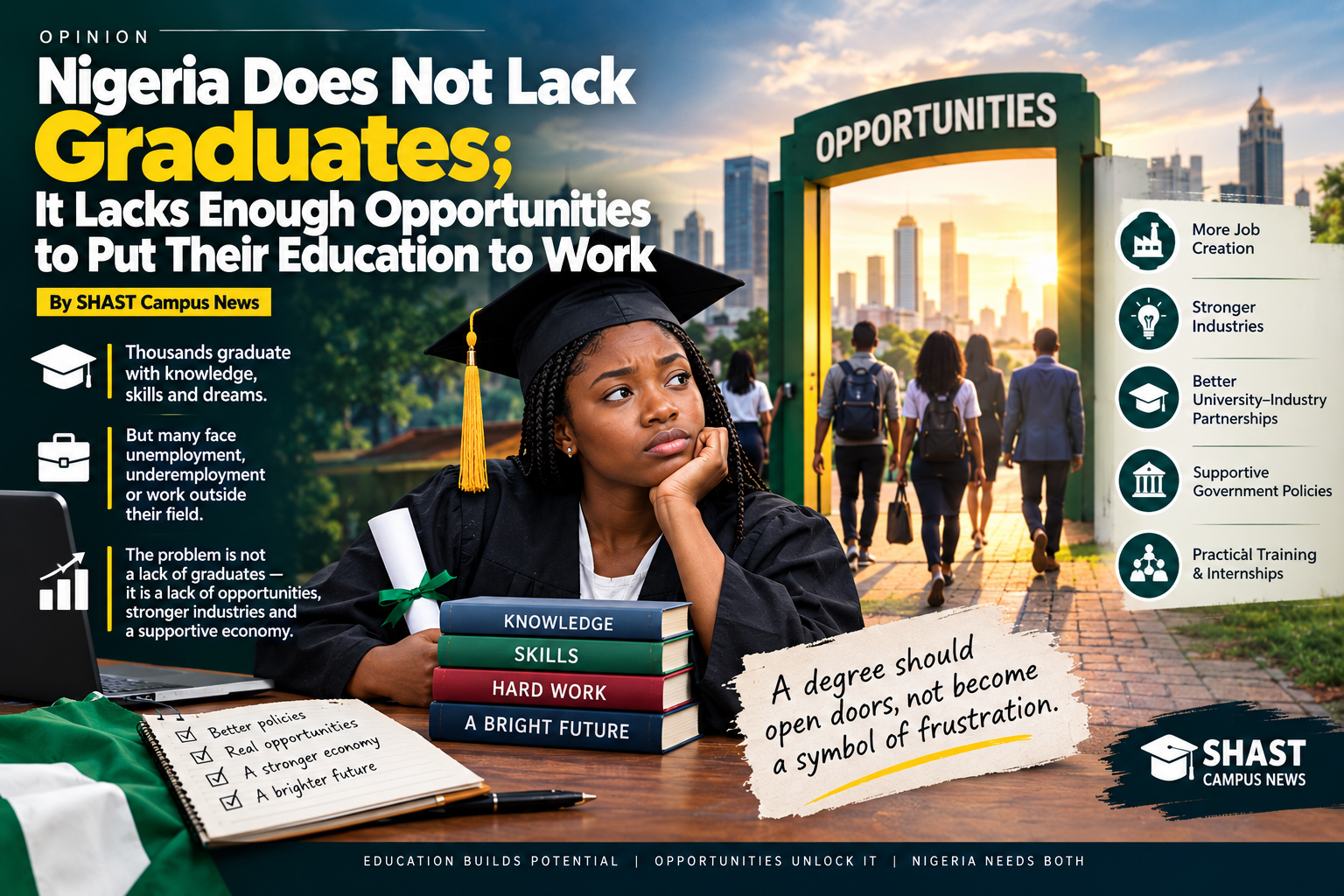
Every year, thousands of Nigerians graduate from universities with hopes of securing meaningful employment, becoming financially independent, and building better futures. Families sacrifice their resources to support their education, believing that a degree will open doors to opportunity. Yet, for many graduates, the journey becomes more difficult after graduation. Finding suitable employment can be challenging, leaving many to accept jobs unrelated to their qualifications, pursue additional training, or struggle to earn a living. This raises an important question: Is Nigeria doing enough to create opportunities for graduates to put their education to work? Graduates are frequently encouraged to learn digital skills, obtain professional certifications, or become entrepreneurs. While these suggestions have merit, they do not address the entire problem, skills development can improve employability, but even qualified and hardworking individuals need an economy capable of creating productive jobs. Entrepreneurship is equally valuable, yet starting a business requires capital, infrastructure, reliable electricity, and access to customers resources that many young Nigerians lack, blaming graduates for unemployment without addressing these wider challenges oversimplifies the problem. Universities must also strengthen the connection between academic learning and workplace expectations. Internships, practical training, industry partnerships, and career guidance can help students develop relevant experience before graduation, employers, in turn, should consider creating more accessible entry-level positions and graduate trainee programmes instead of demanding years of experience from inexperienced applicants. Government must support productive industries, improve infrastructure, encourage investment, and develop policies that expand employment opportunities. The goal should not simply be to produce graduates but to create an environment where their knowledge and abilities can contribute to economic development. Graduate unemployment and underemployment affect individuals, families, and the wider economy. Parents may continue supporting adult children long after graduation, while young people struggle to achieve financial independence, some graduates seek opportunities abroad, while others pursue further education, self-employment, or jobs outside their fields. Although these choices reflect different circumstances, Nigeria must examine how it can make better use of the talent developed within its educational institutions. Graduates also have responsibilities. They should continue learning, build professional networks, develop relevant skills, and explore legitimate employment opportunities. However, individual effort alone cannot resolve a problem influenced by wider economic conditions. A university degree cannot guarantee wealth or employment. Nevertheless, a country that invests in educating its young people should take seriously the challenge of providing opportunities for them to apply what they have learned, Nigeria needs stronger connections between universities, employers, and government policies that support productive economic activity. The solution is not to blame graduates, dismiss university education, or assume entrepreneurship can employ everyone. Nigeria must move beyond celebrating the number of graduates it produces and focus on creating opportunities for their knowledge and skills to make a difference, education should be more than a certificate earned after years of sacrifice. It should be a foundation upon which young Nigerians can build productive, independent, and meaningful lives.
Similar Posts
INSTANT NOODLES KILLED A GROUP OF FRIENDS THROUGH CANCER: FACT OR DANGEROUS RUMOUR?
For many years, people have believed that eating instant noodles causes cancer. Some have even claimed that instant noodles killed a group of friends through cancer. But is this really true, or is it simply an old belief that has been passed from one person to another? Let us ask ourselves, what causes cancer? Cancer…
THE COST OF WANTING TO BE LIKED
For many years, I did not know the difference between being kind and being liked. I thought they were the same thing. I thought that if I was kind enough, available enough, quiet enough, and apologetic enough, I would be accepted. I wanted to be in everybody’s good books, I did not know I was…
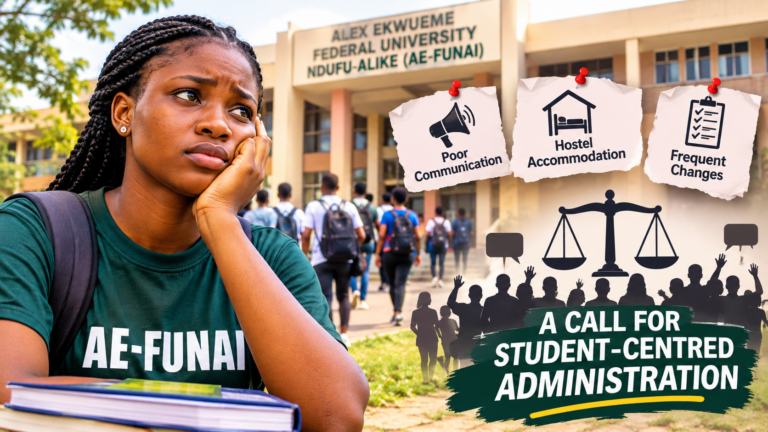
WHEN CHANGE BECOMES A BURDEN: THE NEED FOR STUDENT-CENTRED ADMINISTRATION IN OUR UNIVERSITIES
Can an administration truly progress when the people it is supposed to serve are struggling to adjust to its administrative decisions and reforms?They say change is the only constant thing in life. This is absolutely true, as no reasonable progress is achieved without making adjustments and allowing room for change. Humans desire progress and development…
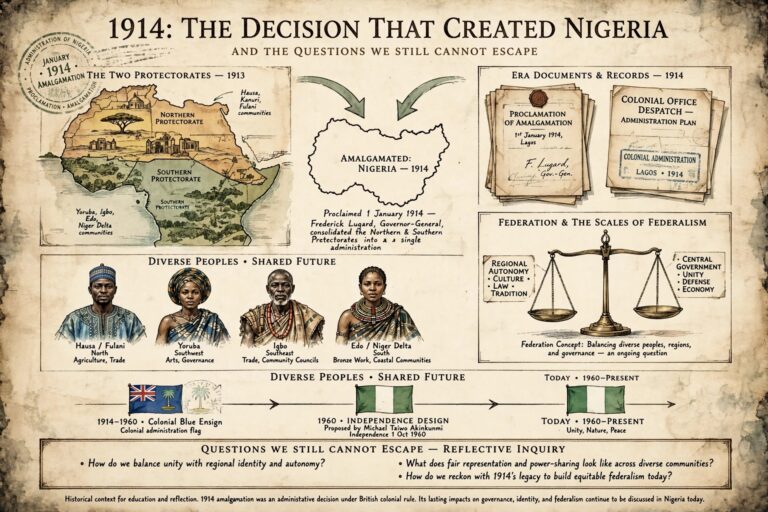
1914: THE DECISION THAT CREATED NIGERIA AND THE QUESTIONS WE STILL CANNOT ESCAPE
Few dates occupy as important a place in Nigeria’s political history as January 1, 1914. On that day, the British colonial administration amalgamated the Northern and Southern Protectorates, bringing the territories under a single colonial administration known as Nigeria. More than a century later, the decision continues to shape discussions about national identity, federalism, political…
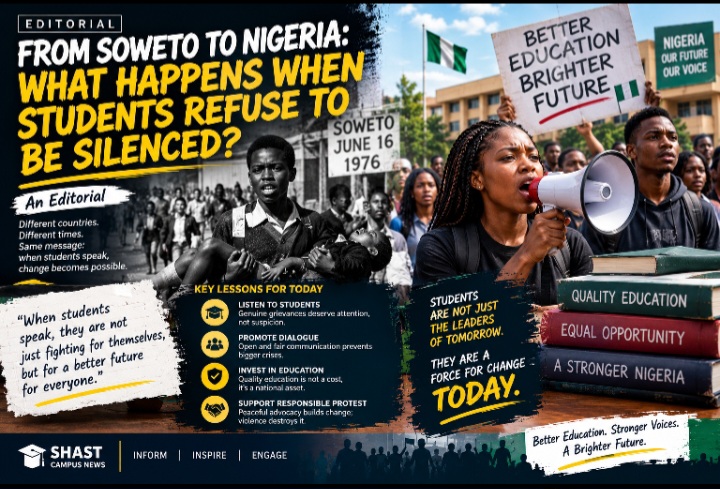
FROM SOWETO TO NIGERIA: WHAT HAPPENS WHEN STUDENTS REFUSE TO BE SILENCED?
Students are often described as the leaders of tomorrow. Yet history repeatedly demonstrates that young people can also be among the most important voices challenging injustice today. The Soweto uprising of June 16, 1976, remains a powerful example of students confronting a government policy they regarded as discriminatory and oppressive, the protests began in Soweto,…
“When God Doesn’t Give You Something, Don’t Push”: Dangote Speaks on Not Having a Son.
For years, the idea of having a male child to carry on a family name and legacy has remained deeply rooted in many African societies. But for billionaire businessman Aliko Dangote, having a son is not something he considers a priority. Dangote made this known during an interview with ARISE News when he was asked…