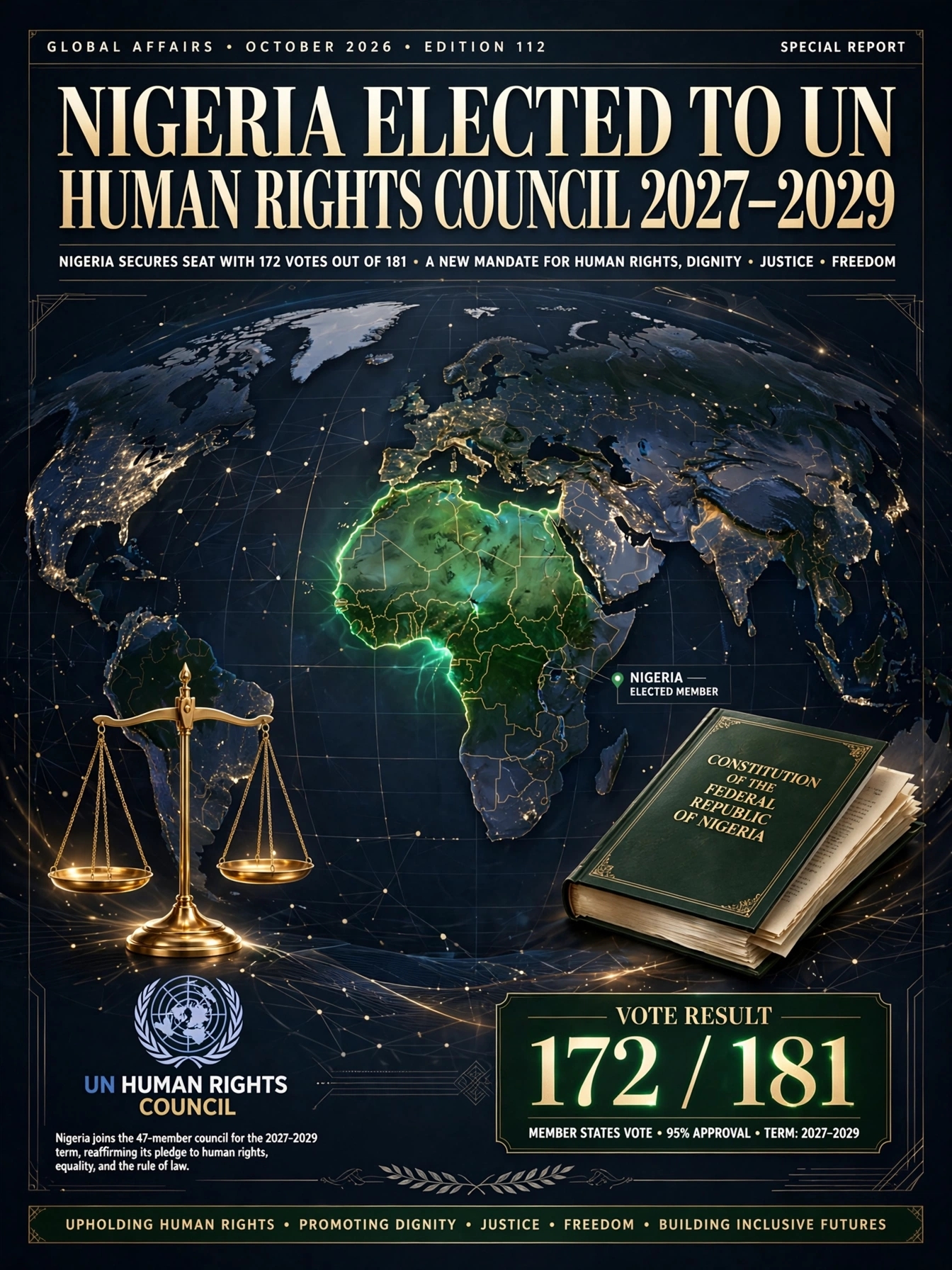
Nigeria’s human rights obligations and its engagement with international institutions remain important subjects in discussions about governance, security and the protection of fundamental freedoms. Nigeria has been elected to the United Nations Human Rights Council for the 2027–2029 term after securing 172 votes out of 181 in an election held on Tuesday, 13 October 2026 by the United Nations General Assembly. The Ministry of Foreign Affairs disclosed this in an official statement issued in Abuja on Wednesday, 14 October 2026, and signed by its spokesperson, Oluwafemi Adeniyi. The Ministry said Nigeria was elected alongside 14 other countries to serve a three-year term from 1 January 2027 to 31 December 2029 on the 47-member Council. The UN Human Rights Council also confirmed the election in a post on X, stating that the General Assembly had elected Nigeria to serve a three-year term beginning on 1 January 2027. According to the official statement: “The Federal Government of Nigeria wishes to announce Nigeria’s election to the United Nations (UN) Human Rights Council for the 2027–2029 term, having secured 172 of 181 votes during the Council’s election held on 13 October 2026 by the United Nations General Assembly (UNGA).” The Federal Government expressed appreciation to UN Member States for their support and said Nigeria looked forward to working closely with other Council members to advance the body’s mandate of promoting and protecting human rights worldwide. Nigeria’s responsibilities include protecting citizens’ rights under its Constitution and complying with applicable international human rights agreements. Its election to the Council has brought renewed focus to those responsibilities. Nigeria’s Constitution recognises fundamental rights, including the right to life, personal liberty, dignity and freedom of expression, subject to the applicable constitutional provisions. The country is also a party to several international human rights instruments that establish obligations concerning the protection of individuals and the prevention of abuses. These commitments provide a framework for evaluating government actions and the performance of institutions responsible for protecting citizens. Effective implementation depends on functioning legal institutions, accessible remedies for victims and credible investigations into alleged violations. Security challenges have made civilian protection a recurring issue in Nigeria’s human rights discussions. When communities face armed attacks, displacement or other forms of violence, authorities have a responsibility to protect the public while ensuring that security operations comply with applicable law. Allegations of unlawful detention, excessive force or other abuses must be assessed through credible investigations. Claims about human rights violations should be supported by evidence rather than treated as established facts solely because they appear in public commentary. Freedom of expression and access to information are important elements of democratic accountability. Journalists, civil society organisations and members of the public play roles in reporting concerns and examining government decisions. Independent investigations and transparent legal processes can help establish the facts and determine whether corrective action is necessary. International human rights bodies provide forums for reviewing states’ obligations, assessing concerns and encouraging improvements in laws and institutions. The Human Rights Council is responsible for addressing violations and making recommendations. Their findings and recommendations can help governments identify areas requiring reform. However, the precise implications of any international decision depend on the institution involved, the legal instrument under consideration and the terms of the relevant decision. Nigeria’s participation in international processes including its newly confirmed Council membership should therefore be reported with clear references to the applicable resolutions, reports or official statements. Strengthening human rights protection requires more than public commitments. It also involves effective law enforcement, judicial independence, transparent investigations, access to legal remedies and protection for vulnerable people. Nigeria has reaffirmed its commitment to sustaining dialogue, cooperation and mutual respect with Member States and to supporting initiatives that uphold human dignity, justice and respect for fundamental freedoms as it prepares to take its seat on the Council in January 2027. As international attention continues, credible reporting will remain important in distinguishing confirmed developments from general commentary.
Similar Posts
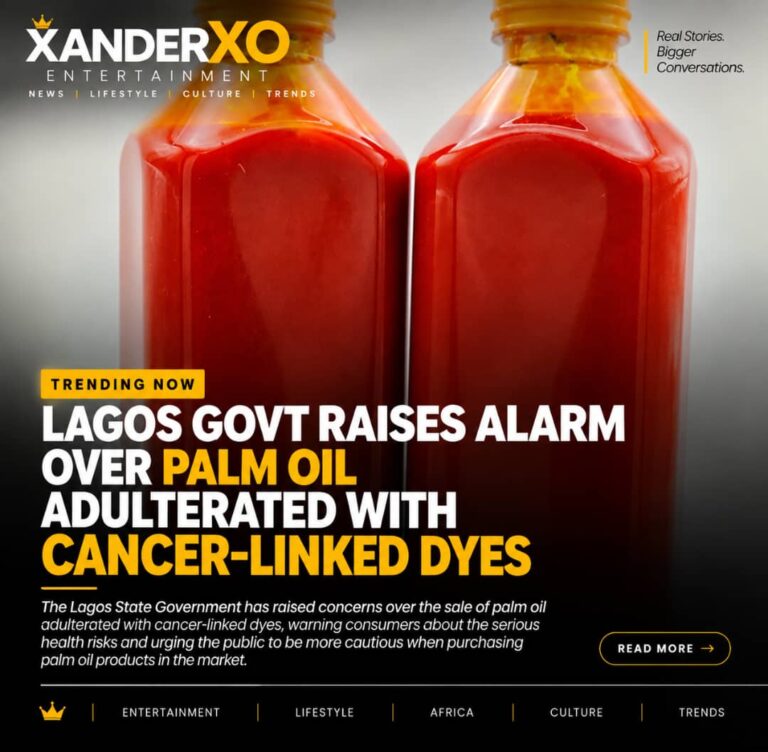
LAGOS GOVT RAISES ALARM OVER PALM OIL ADULTERATED WITH CANCER-LINKED DYES
The Lagos State Government has raised concerns over increasingly sophisticated adulteration of palm oil in markets across the state, urging residents to be more vigilant about the products they purchase.The warning was issued through the Lagos State Consumer Protection Agency (LASCOPA) following a technical presentation at the 2026 Lagos State Food Safety Conference and Exhibition….
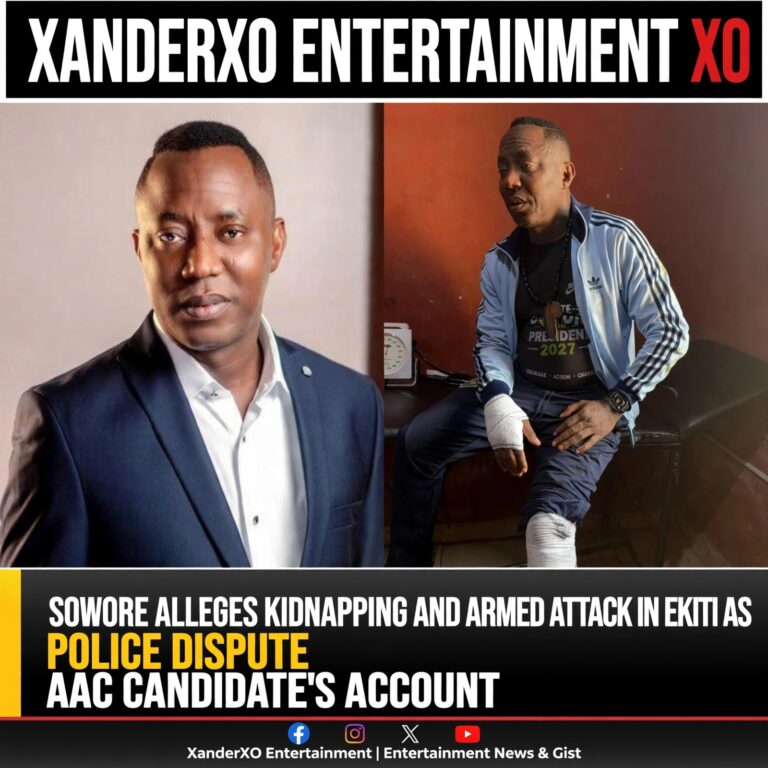
SOWORE ALLEGES KIDNAPPING AND ARMED ATTACK IN EKITI AS POLICE DISPUTE AAC CANDIDATE’S ACCOUNT
XANDERXO ENTERTAINMENT Presidential candidate of the African Action Congress (AAC), Omoyele Sowore, has alleged that he and members of his team were attacked by armed men in Ado-Ekiti, Ekiti State, triggering renewed concerns over political safety and freedom of political participation in Nigeria. The incident reportedly occurred on Friday, October 30, shortly after Sowore concluded…
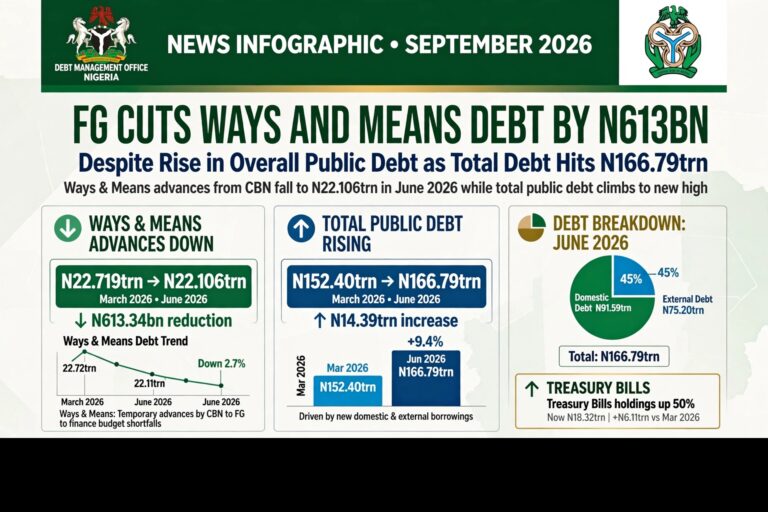
FG Cuts Ways and Means Debt by ₦613bn Despite Rise in Overall Public Debt
Nigeria’s securitised Ways and Means debt fell by ₦613.34 billion in the second quarter of 2026, marking the first decline in the obligation since it became part of the country’s public debt stock in 2023. Figures from the Debt Management Office showed that the balance dropped from ₦22.719 trillion in March to ₦22.106 trillion at…
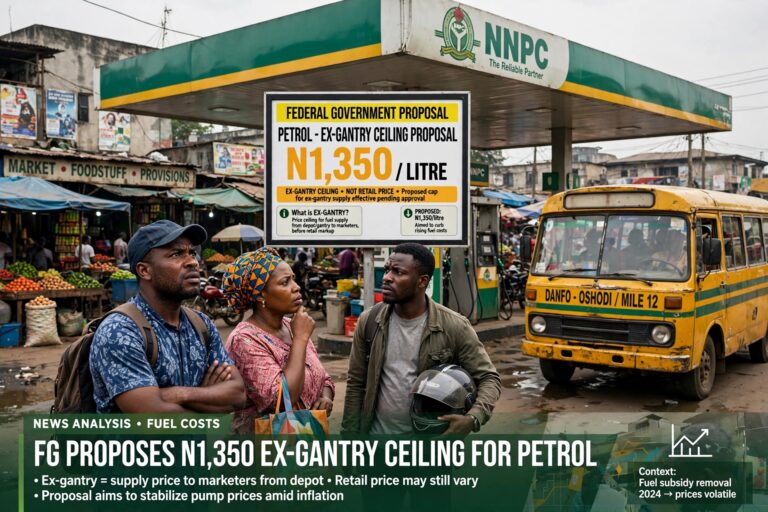
FG Proposes ₦1,350 Petrol Price Ceiling as Nigerians Face Rising Costs
The Federal Government has proposed negotiating a ceiling of ₦1,350 per litre on petrol’s ex-gantry price as part of efforts to reduce fluctuations in domestic fuel prices. The proposal was disclosed by the Minister of Finance and Coordinating Minister of the Economy, Taiwo Oyedele, during a press conference in Abuja on Thursday. According to reports…
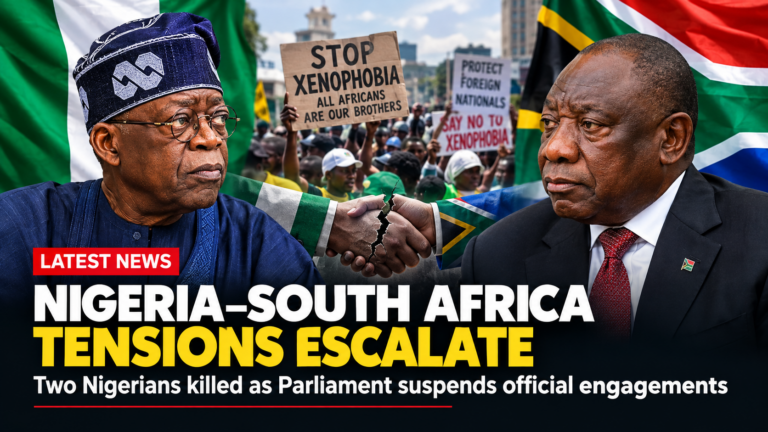
Nigeria-South Africa Tensions Escalate as Two Nigerians Are Killed Amid Anti-Migrant Violence
Tensions between Nigeria and South Africa have intensified following the reported deaths of two Nigerian nationals in South Africa, as concerns over the safety of Nigerians living and doing business in the country continue to grow. Nigeria’s Ministry of Foreign Affairs confirmed that two Nigerian citizens, James Uchechukwu Nwankwo and Bishop Taiwo Michael Fakunle, were…
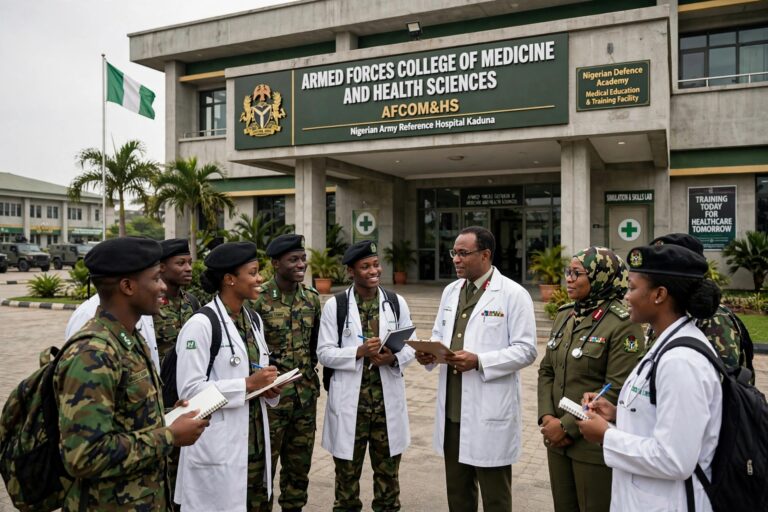
FG’s Military Medical College Project Raises Expectations for Specialist Training
The Federal Government’s plan to establish the Armed Forces College of Medicine and Health Sciences (AFCOM&HS) has moved from policy approval to implementation, raising expectations for specialist military medical training. The proposed institution is intended to produce medical professionals who will serve within the armed forces and strengthen healthcare delivery for military personnel. The Federal…