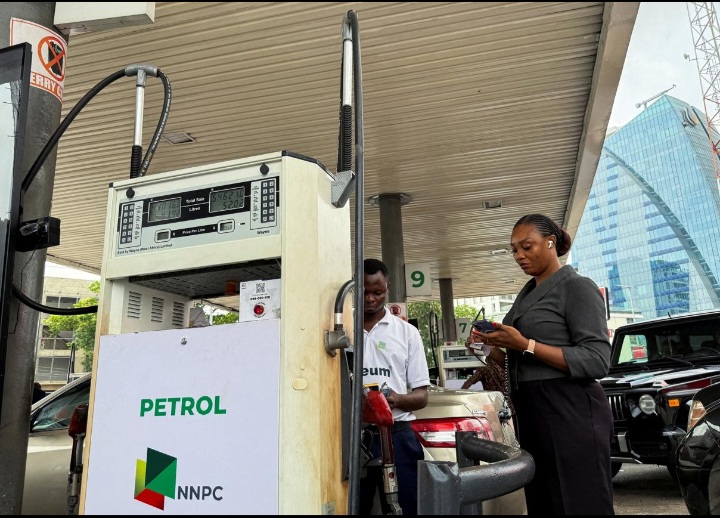
The Federal Government has reiterated its position against restoring petrol subsidies, saying Nigeria must increasingly rely on private investment to drive economic growth and reduce pressure on public finances. Finance Minister Taiwo Oyedele reportedly made the remarks during an engagement at Chatham House in London, where he discussed the government’s economic reforms and plans for the country’s next phase of development, the position comes as many Nigerians continue to struggle with high transport fares, food prices and other living expenses following changes to the country’s fuel pricing policy. According to a report Oyedele said the government intended to depend more on private domestic and foreign investment to support economic growth, the strategy is aimed at encouraging businesses and investors to finance productive activities, expand employment opportunities and contribute to national development, the government believes that attracting private capital could help Nigeria improve its economic performance without relying excessively on public borrowing. Oyedele also defended the administration’s economic reforms, including the removal of petrol subsidies and changes to foreign exchange policy, these measures have been presented by the government as necessary steps towards improving public finances and correcting longstanding economic problems. The removal of petrol subsidies has been one of the most debated decisions of President Bola Tinubu’s administration. Supporters argue that the subsidy system placed a substantial burden on public finances and limited the resources available for infrastructure, healthcare, education and other essential services. However, critics point to the immediate consequences of higher petrol prices, particularly the increased cost of transportation and the distribution of food and other goods, small businesses have also faced pressure from higher operating expenses, while many households have had to adjust their spending to cope with rising prices. For these Nigerians, the central question is whether the government’s economic reforms will eventually translate into better living conditions, the government has repeatedly defended its reforms as necessary for long-term economic stability. However, economic growth alone may not immediately ease the pressure on households. The benefits must also translate into more employment opportunities, stronger purchasing power and improved access to essential services. The government’s plans to attract private investment will therefore be judged partly by whether businesses expand, jobs are created and ordinary Nigerians experience meaningful improvements in their daily lives, for now, the government has maintained its position against restoring the petrol subsidy. The debate over the policy is likely to continue as Nigerians assess the impact of economic reforms on their finances. The key question remains whether the government can combine fiscal stability with practical measures that reduce hardship and improve living standards.
Similar Posts
Petrol Price: FG Proposes ₦1,350 Per Litre Cost Ceiling as Nigerians Face Rising Fuel Bills
The proposed measure is intended to reduce sudden price fluctuations, but its implementation and impact on pump prices remain important questions. The Federal Government has proposed a mechanism aimed at limiting petrol cost volatility, with a target ceiling of approximately ₦1,350 per litre for petrol’s ex-gantry or landing cost. The proposal was announced by the…
Super Eagles Set for Guinea-Bissau Clash After Dramatic Madagascar Comeback
Nigeria’s Super Eagles are stepping up preparations for their second Group L fixture of the 2027 Africa Cup of Nations qualifiers against Guinea-Bissau, he Nigerian team began its qualifying campaign with a 2–1 comeback victory over Madagascar in Uyo on Friday. Madagascar took the lead in the first half before Nigeria fought back to secure…
SENATE ORDERS PROBE INTO TANSIAN UNIVERSITY OVER ALLEGED REGULATORY VIOLATIONS
Lawmakers direct a committee to investigate the institution’s management and compliance with university regulations as efforts to strengthen the National Universities Commission advance. The Nigerian Senate has ordered an investigation into the operations and management of Tansian University in Umunya, Anambra State, following allegations of administrative excesses and concerns about compliance with regulatory requirements. The…
Tinubu Health Rumours Resurface: What We Know About President’s Condition
President Bola Ahmed Tinubu has once again dismissed rumours concerning his health, insisting that he is healthy and ready to continue his official duties. Fresh speculation about the President’s health has circulated on social media and in political circles, prompting renewed questions about his condition and the reason behind his extended stay in Europe. However,…
MILITARY REPORTS 217 TERRORISTS NEUTRALISED, 349 KIDNAP VICTIMS RESCUED IN ONE MONTH
The Armed Forces of Nigeria have reported that troops neutralised 217 terrorists and other criminal elements, arrested 333 suspects and rescued 349 kidnapped victims during military operations conducted between September 30 and October 30, 2026. The figures were disclosed by the Director of Defence Media Operations, Major General Michael Onoja, during a military briefing in…
TINUBU HEADS TO SAUDI ARABIA FOR UMRAH, TO PRAY FOR NIGERIA
President Bola Ahmed Tinubu is scheduled to travel from Abuja to Makkah, Saudi Arabia, to perform Umrah, an Islamic pilgrimage, as part of a spiritual exercise focused on Nigeria’s peace, unity and national development. The Presidency announced the planned trip on Wednesday, October 28, stating that the President would use the religious visit to pray…