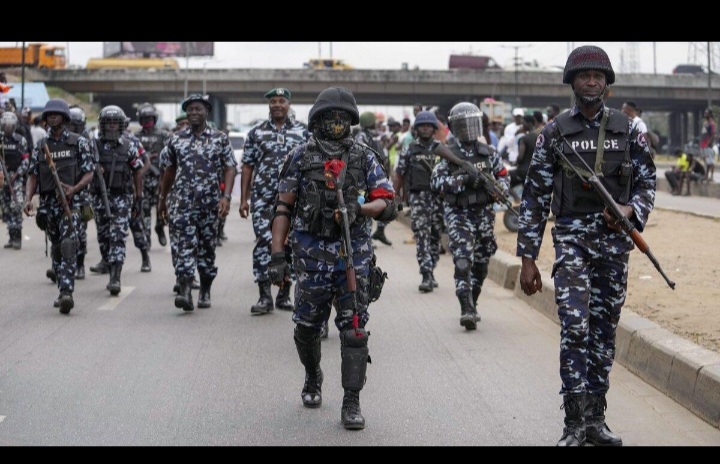
Nigeria’s proposed state police system has moved closer to another important legislative milestone, with reports indicating that 30 State Houses of Assembly have approved the constitutional amendment required to advance the proposal. the development has renewed national debate about whether decentralising policing could improve the country’s response to kidnapping, armed attacks and other security threats. Supporters argue that state police officers could develop a better understanding of local security challenges and respond more quickly to incidents in their areas of responsibility. However, questions remain about funding, accountability and the possibility of political interference by state governments, Nigeria’s security challenges vary considerably from one region to another, some communities face kidnapping and armed banditry, while others experience communal violence, organised crime and attacks on farmers and rural settlements. Advocates of state policing argue that a decentralised system could allow officers to develop local intelligence networks and respond more effectively to threats. They also argue that state-level police structures could complement the work of the Nigeria Police Force rather than require every security responsibility to be handled centrally. Despite the potential advantages, the proposal has generated concerns about how state police officers would be recruited, funded, supervised and disciplined. Critics warn that governors or other powerful political figures could attempt to use local police structures against political opponents, journalists or peaceful protesters, there are also questions about whether poorer states would have sufficient financial resources to maintain professional policing institutions. A state police system without independent oversight could reproduce existing problems rather than solve them. Reports of approval by 30 state assemblies represent an important step in the proposed constitutional amendment process. However, legislative endorsements should not be confused with the complete implementation of a state police system, the remaining constitutional and legislative requirements must be satisfied, and detailed laws and operational arrangements will be needed to establish how the system would function. These arrangements would need to clarify the relationship between federal and state police services, define their powers and establish safeguards against misconduct, the next stage will require careful consideration of the legal framework, financing arrangements, recruitment standards and accountability mechanisms, if state police is eventually established, its success should be measured by its ability to reduce crime, protect citizens and operate without partisan interference. The objective should be to improve public safety, not simply create another layer of security administration. Ultimately, Nigerians need a policing system that is responsive to local realities while remaining accountable to the law.
Similar Posts
WHAT JAMB’S PROPOSED UTME CHANGES COULD MEAN FOR NIGERIAN STUDENTS
The Joint Admissions and Matriculation Board is considering introducing life skills and critical thinking into the Unified Tertiary Matriculation Examination, a proposal that could influence future discussions about how candidates are assessed for admission into higher education. JAMB Registrar Professor Segun Aina disclosed the proposal during a television appearance on Wednesday, the announcement has attracted…
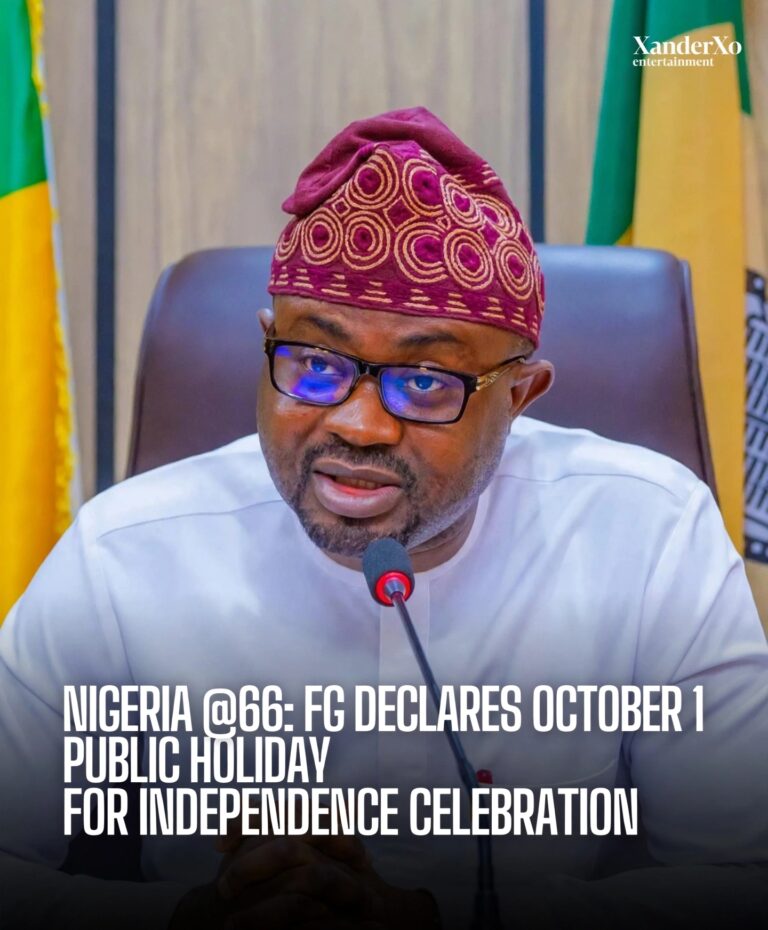
NIGERIA AT 66: FG DECLARES THURSDAY, OCTOBER 1, PUBLIC HOLIDAY FOR INDEPENDENCE ANNIVERSARY
The Federal Government of Nigeria has declared Thursday, October 1, 2026, a public holiday to commemorate the country’s 66th Independence Anniversary. The announcement was made by the Minister of Interior, Dr. Olubunmi Tunji-Ojo, on behalf of the Federal Government, as Nigerians at home and abroad prepare to mark the anniversary. The declaration forms part of…
VDM FIRES BACK AT SENATOR NATASHA: “YOU DID NOT DENY THE VOICE NOTE”
Social media activist Martins Otse, popularly known as VeryDarkMan, has reacted after Senator Natasha Akpoti-Uduaghan accused him of being paid by Senate President Godswill Akpabio to publish stories against her.In a post on her X handle, Senator Natasha shared a screenshot that appeared to show a WhatsApp chat where VeryDarkMan’s Facebook video about her was…
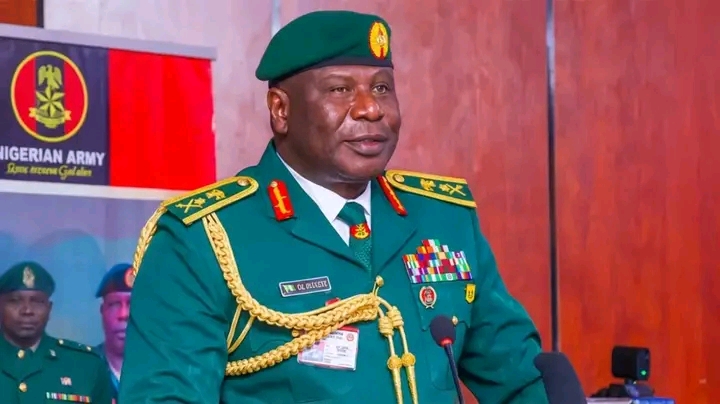
Military pay review: Generals’ pensionable salary rises to N2.5m monthly
The Federal Government has approved a new pensionable salary structure for personnel of the Nigerian Armed Forces, with Generals, Admirals and Air Chief Marshals topping the scale at an annual gross pensionable salary of N29.75m. The approval, contained in a September 3, 2026 circular issued by the National Salaries, Incomes and Wages Commission, takes effect…
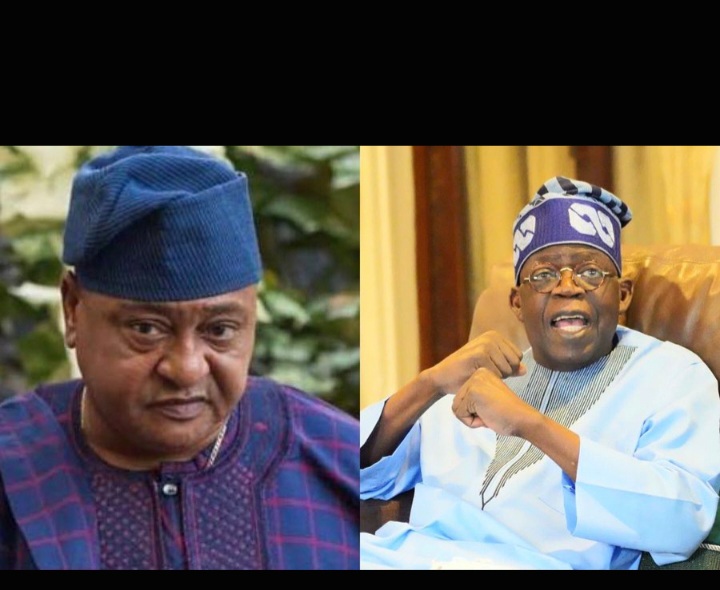
JIDE KOSOKO SPARKS DEBATE AFTER SAYING ONE GOOD MEAL A DAY CAN BE ENOUGH
The veteran Nollywood actor has faced renewed public attention after comments about food, personal responsibility and the Tinubu administration’s handling of Nigeria’s economic challenges. Veteran Nigerian actor Jide Kosoko has sparked public discussion following remarks about the cost of living and the ability of Nigerians to manage their daily expenses. Kosoko reportedly made the comments…
New York Mayor Praises Nigeria’s Cultural Influence at Independence Carnival
New York City Mayor Zohran Mamdani has praised Nigeria’s global cultural influence, saying Nigerians have played an important role in shaping the character and success of New York City. Mamdani made the remarks during Nigeria’s 66th Independence Day Carnival in New York. The event brought together Nigerian diplomats, community leaders and members of the Nigerian…