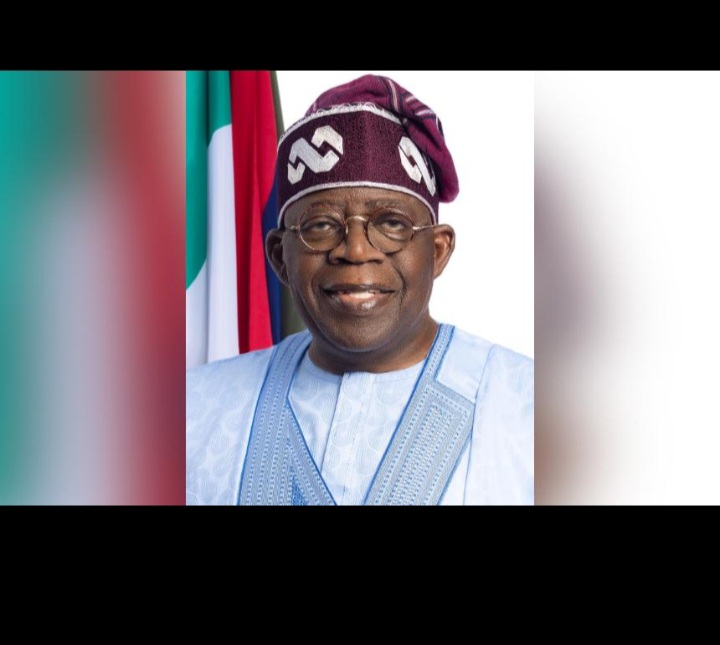
President Bola Ahmed Tinubu has asked the National Assembly to approve a new external borrowing plan worth approximately $21.7 billion, reopening discussions about Nigeria’s infrastructure needs, debt obligations and the long-term sustainability of government borrowing. The request covers approximately $20.52 billion and €1.045 billion under the Federal Government’s supplementary external borrowing plan for 2026 and 2027, the proposal is intended to provide funding for infrastructure and other government projects, although the request still requires the necessary legislative consideration and approval. Nigeria faces substantial demands for investment in transportation, energy, public infrastructure and other essential services. Supporters of external borrowing argue that carefully selected loans can help the government finance projects that would otherwise take years to complete through ordinary budgetary allocations, Infrastructure investments may also improve economic productivity, support businesses and create employment opportunities if projects are properly executed. However, the proposed borrowing has renewed concerns about the country’s debt burden and the amount of public revenue that must be devoted to servicing existing obligations. Critics of excessive borrowing argue that new loans should not be approved without clear information about repayment conditions, interest rates, project selection and expected economic benefits. The next important steps include the National Assembly’s consideration of the request, clarification of the proposed financing arrangements and disclosure of the projects expected to benefit. Lawmakers will also need to examine the potential effect of additional external obligations on Nigeria’s public finances. For ordinary Nigerians, the central question is whether the proposed borrowing will translate into better roads, more reliable electricity, improved public services and stronger economic opportunities, borrowing is not automatically harmful, just as approving a loan does not automatically guarantee development. The real test will be whether the funds are transparently managed and whether the projects deliver benefits that justify their financial costs.
Similar Posts
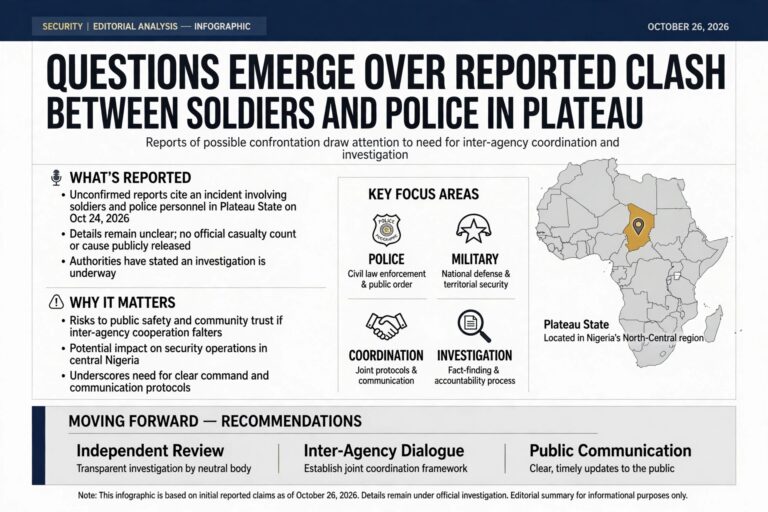
QUESTIONS EMERGE OVER REPORTED CLASH BETWEEN SOLDIERS AND POLICE IN PLATEAU
Reports of a possible confrontation involving military personnel and police officers in Plateau State have drawn attention to the importance of coordination among Nigeria’s security agencies. The military and police perform different but complementary roles in maintaining public order, protecting lives and responding to security threats, when personnel from different agencies become involved in a…
Air Peace Explains Abuja–Maiduguri Flight Cancellation, Cites Fuel Shortage and Airport Restrictions
Air Peace has explained the cancellation of its Abuja–Maiduguri flight on Saturday, attributing the disruption to a shortage of aviation fuel in Abuja and a subsequent restriction affecting operations at Maiduguri Airport. The airline said the initial delays to its Abuja operations were caused by the unavailability of Jet A1 aviation fuel, a situation it…
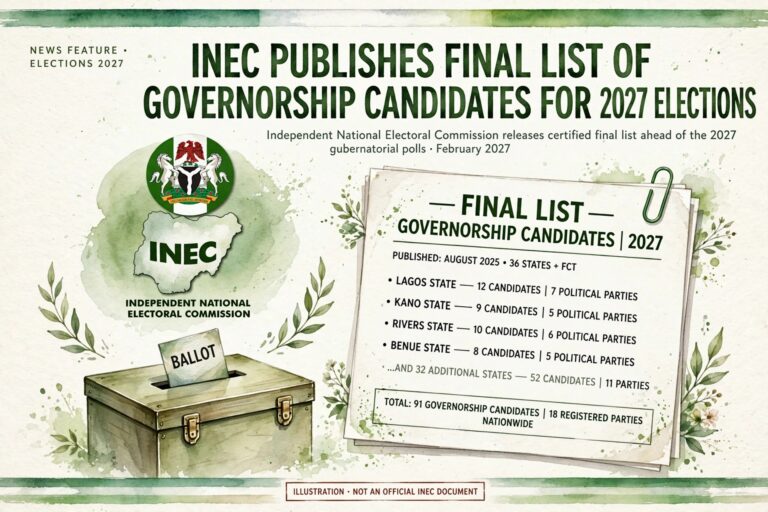
The Independent National Electoral Commission has published final lists of governorship candidates for the 2027 general elections
The Independent National Electoral Commission has published final lists of governorship candidates for the 2027 general elections, providing voters with a clearer picture of the political figures expected to contest governorship positions across several states. The lists contain candidates’ names, political party affiliations and other relevant identifying information. Their publication represents an important stage in…
Peter Obi’s Wife’s ₦200m+ Hermès Bag Sparks Outrage: Nigerians Begin Asking Questions
A luxury handbag reportedly carried by Margaret Obi, wife of Labour Party presidential figure Peter Obi, has suddenly become the centre of a heated online debate, with Nigerians questioning the price of the designer item and what it means for Peter Obi’s carefully cultivated image of frugality. Photos and videos of Margaret Obi carrying what…
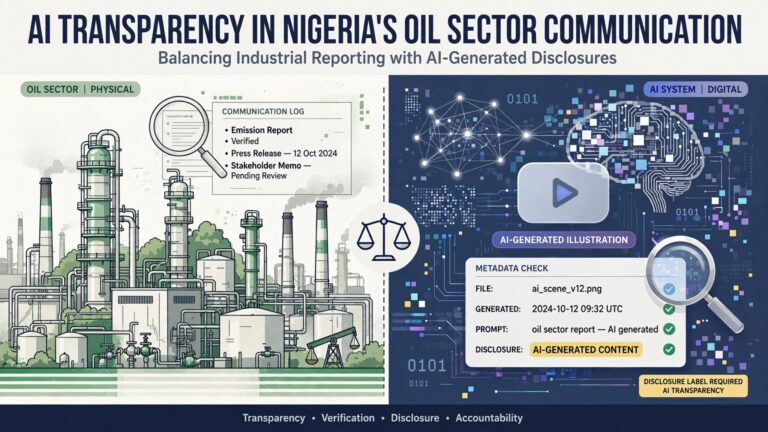
AI-Generated Video and Nigeria’s Oil Sector: Transparency Concerns in Public Communication
A report about criticism surrounding an AI-generated video linked to communication on Nigeria’s oil sector has renewed discussion about transparency in the use of artificial intelligence in public communication. The issue highlights the challenges that can arise when synthetic images, voices or videos are used to explain government policies or communicate information about important national…
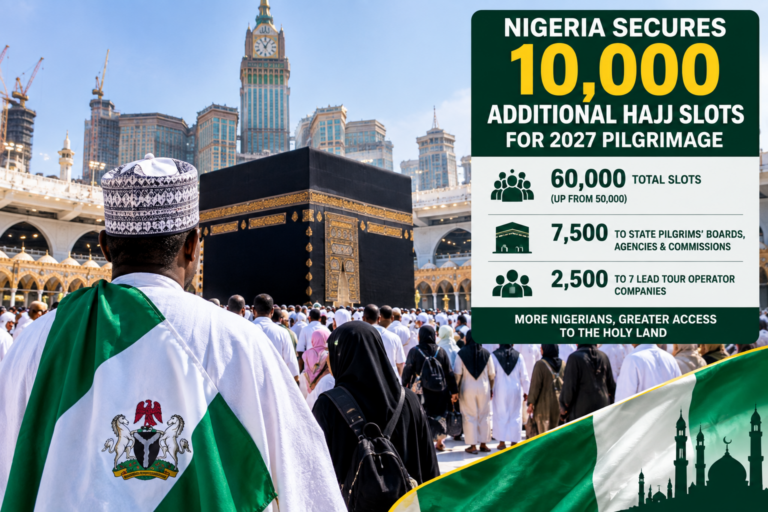
Nigeria Secures 10,000 Additional Hajj Slots for 2027 Pilgrimage
Nigeria has secured an additional 10,000 slots for the 2027 Hajj pilgrimage, increasing the country’s total allocation from 50,000 to 60,000 pilgrims. The National Hajj Commission of Nigeria announced the development following further engagements between Nigerian authorities and Saudi Arabian officials. According to NAHCON, 7,500 of the additional slots will be allocated to state Muslim…