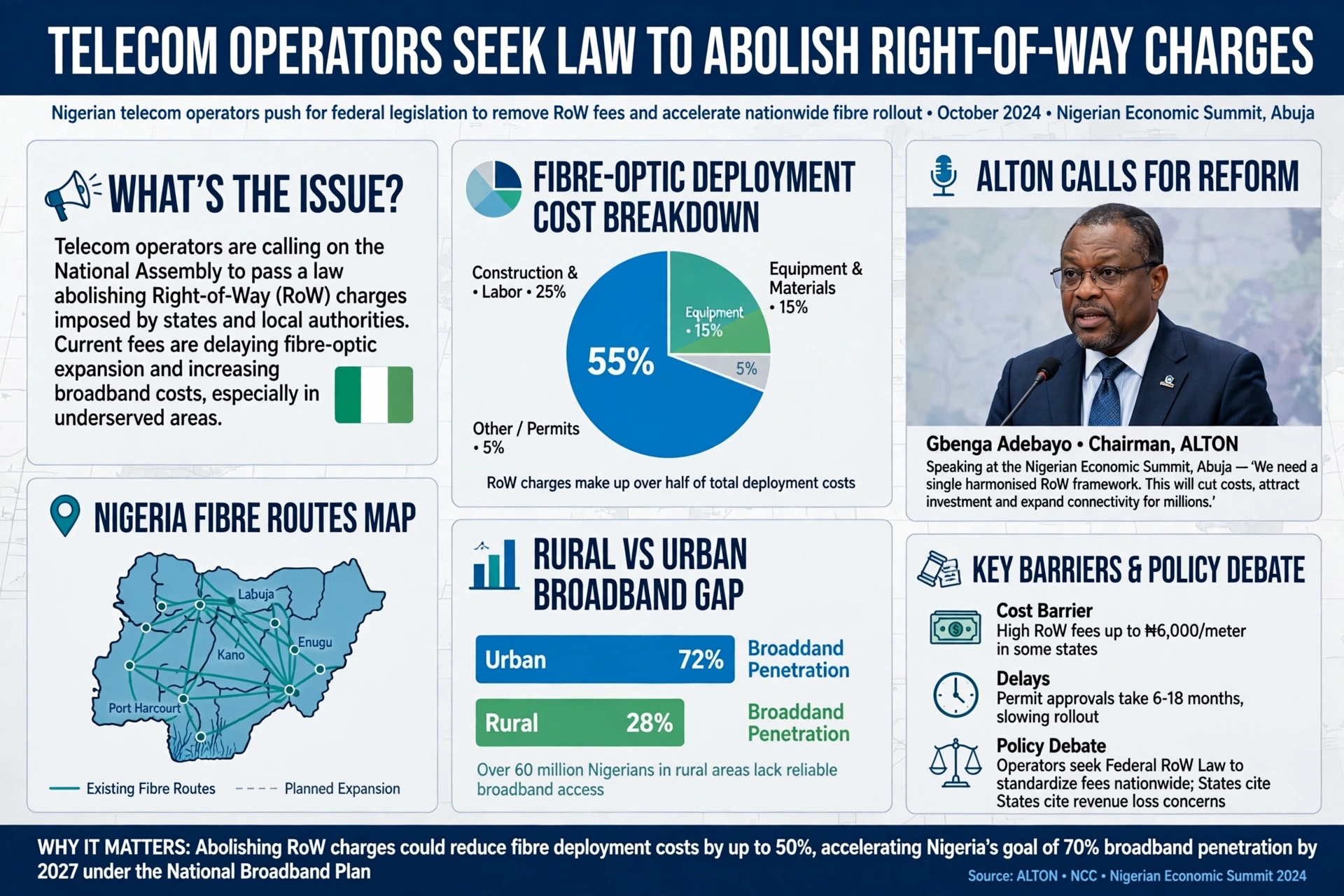
Telecommunications operators in Nigeria are calling for legislation to abolish right-of-way charges on fibre-optic infrastructure, arguing that the fees increase the cost of expanding broadband networks. The chairman of the Association of Licensed Telecommunications Operators of Nigeria, Gbenga Adebayo, made the call during discussions on investment and innovation at the Nigerian Economic Summit in Abuja. Adebayo said right-of-way charges could account for between 50 and 60 per cent of the cost of deploying fibre infrastructure in some states, he argued that eliminating the charges could encourage telecommunications companies to expand their networks, particularly in rural and underserved communities. The proposal has renewed attention on the cost of digital infrastructure and the role government policies play in determining access to reliable internet services. Right-of-way charges are fees imposed for permission to install infrastructure along roads, public corridors and other designated areas. Telecommunications companies require access to these spaces to lay fibre-optic cables that carry internet traffic between locations. Fibre infrastructure supports broadband connections, mobile network backhaul, digital banking, cloud computing and other technology-dependent services, when the cost of installing these cables increases, operators may find it more difficult to extend their networks into communities where expected revenue is relatively low. Telecommunications operators argue that reducing these costs could free up resources for infrastructure expansion, reliable internet access is increasingly important for education, commerce, employment and communication. In communities with limited broadband infrastructure, residents may struggle to participate fully in online learning, remote work and digital business activities, small businesses also need reliable connectivity to communicate with customers, receive payments and promote their products. Industry representatives argue that operators need incentives to invest in areas where commercial returns may be uncertain. They have also raised concerns about ageing infrastructure, insufficient fibre networks, limited telecommunications towers and damage to cables during road construction, these issues can increase maintenance costs and make it harder for operators to expand capacity as demand for data grows. The proposal raises an important policy question: should governments continue collecting right-of-way fees if the charges make digital infrastructure more expensive? Supporters of eliminating the fees argue that cheaper deployment could encourage investment, improve broadband coverage and support economic activity. State governments, however, may also consider the costs of managing public corridors, protecting infrastructure and coordinating construction projects. Any policy change would therefore need to consider the interests of operators, governments, communities and other infrastructure providers. Possible alternatives include harmonised regulations, transparent charges or targeted incentives for operators extending services to underserved areas. Nigeria’s digital economy depends on reliable telecommunications infrastructure, from online education and remote employment to electronic payments and artificial intelligence, many services require fast and dependable internet connections. Reducing deployment costs could help expand connectivity, but the benefits would depend on whether operators invest the savings in additional infrastructure and whether consumers experience better services, the debate over right-of-way charges is therefore about more than fees. It concerns the policies needed to make digital access more affordable, reliable and widely available across Nigeria.
Similar Posts
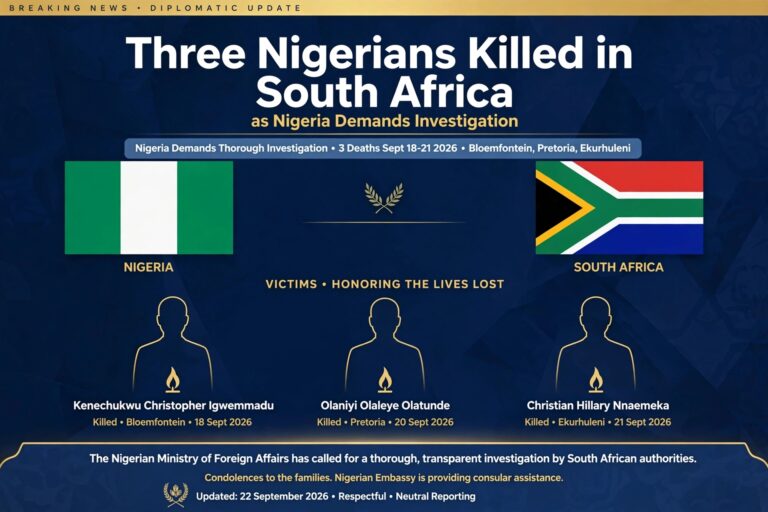
Three Nigerians Killed in South Africa as Nigeria Demands Investigation
The Nigerian Government has called for thorough investigations into the deaths of three Nigerian nationals who were killed in separate incidents in South Africa between September 18 and 21, 2026. The Nigerian Consulate-General in Johannesburg raised concerns over the deaths and called on South African authorities to investigate the circumstances surrounding each incident. The three…
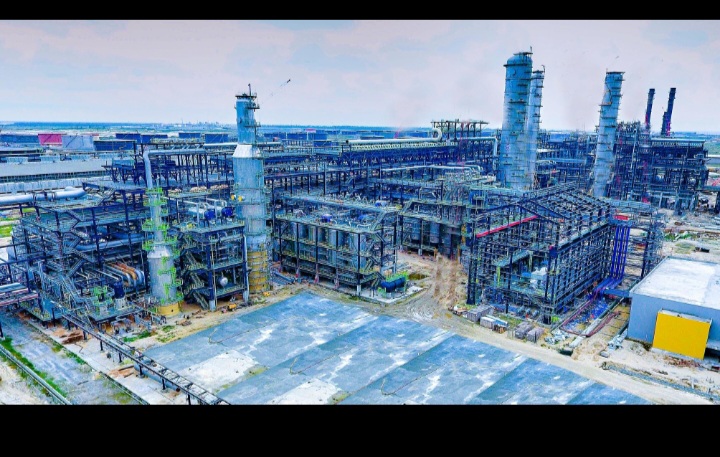
Dangote Refinery Increases Diesel Gantry Price by ₦100 to ₦1,800 per Litre
Dangote Petroleum Refinery has increased its gantry price for automotive gas oil, commonly known as diesel, by ₦100 per litre. According to a notice from the refinery’s Group Commercial Operations, reviewed by http://Petroleumprice.ng, the price was raised from ₦1,700 to ₦1,800 per litre, effective Saturday, October 10, 2026. The adjustment represents a 5.88% increase. Customers…
INEC INVESTIGATES SUSPECTED AI-GENERATED PHOTOS IN PRELIMINARY VOTERS’ REGISTER
The Independent National Electoral Commission (INEC) has commenced a review of its preliminary register of voters following concerns over photographs suspected to have been generated using artificial intelligence. The development has raised questions about the verification processes used in preparing the register ahead of Nigeria’s 2027 general elections. INEC explained that the register published on…
Tinubu Health Rumours Resurface: What We Know About President’s Condition
President Bola Ahmed Tinubu has once again dismissed rumours concerning his health, insisting that he is healthy and ready to continue his official duties. Fresh speculation about the President’s health has circulated on social media and in political circles, prompting renewed questions about his condition and the reason behind his extended stay in Europe. However,…
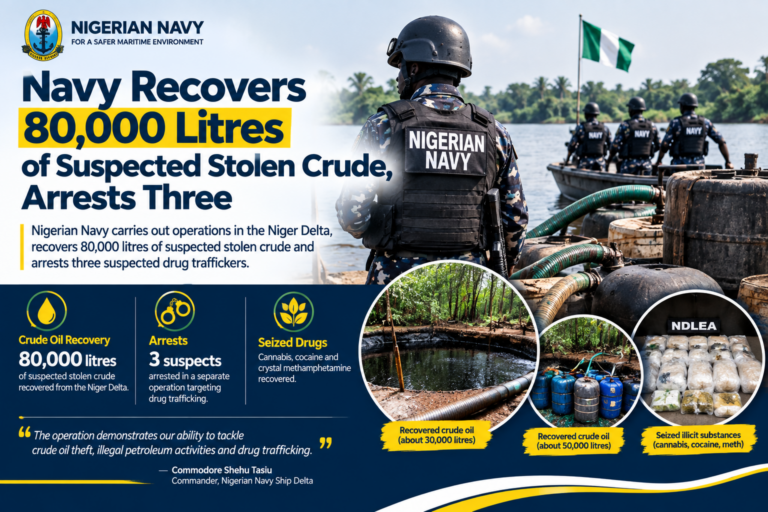
Navy Recovers 80,000 Litres of Suspected Stolen Crude, Arrests Three
The Nigerian Navy has recovered approximately 80,000 litres of suspected stolen crude oil during operations in the Niger Delta and arrested three suspected drug traffickers in a separate operation. The operations involved personnel of the Nigerian Navy Ship Delta and the National Drug Law Enforcement Agency. According to the Navy, two anti-crude oil theft operations…
Nigeria Stock Market Recovers ₦103.9 Billion in Market Value
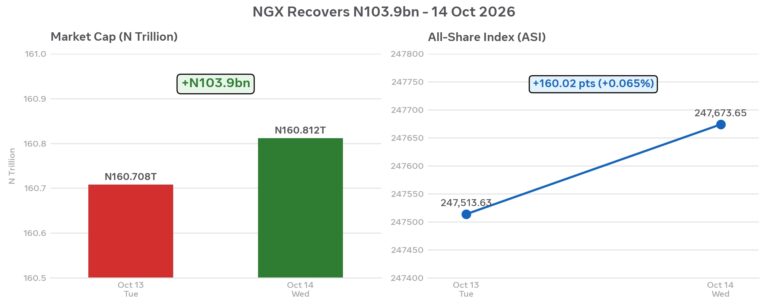
Nigeria’s stock market recovered ₦103.9 billion in market value on Wednesday, 14 October 2026, according to official trading data from the Nigerian Exchange published on Thursday, October 15, 2026. The Nigerian equities market returned to positive territory on Wednesday, October 14, 2026, as investor wealth expanded by N103.90 billion in a single trading session, lifting…