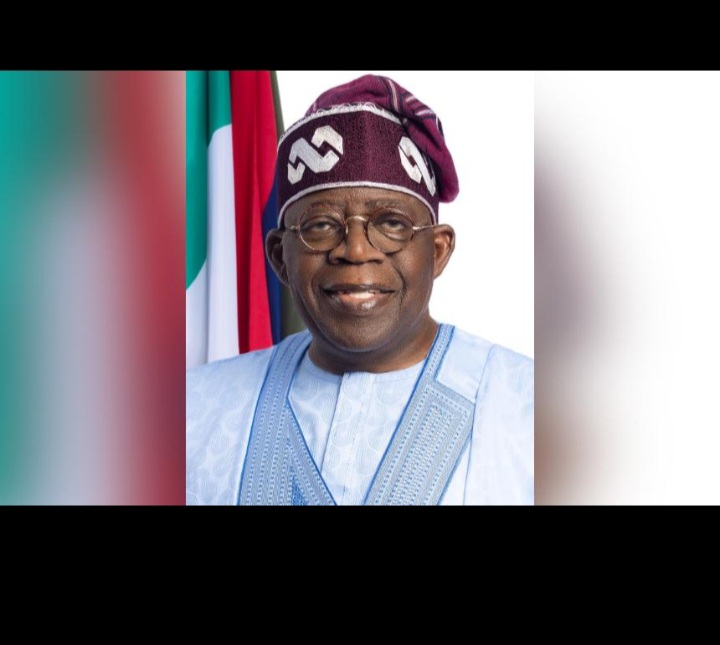
Political mobilisation ahead of Nigeria’s 2027 presidential election is gathering momentum, with endorsements for President Bola Tinubu drawing competing reactions from political groups supporting alternative candidates. Nigeria’s political landscape is witnessing increased activity ahead of the next general election, as political figures and interest groups signal their preferences and attempt to shape public debate. President Bola Tinubu’s re-election bid has attracted endorsements from several political and socio-political groups. However, the endorsements have not gone unchallenged, with other organisations publicly backing alternative candidates. A report said the Igbo Agenda Dialogue had dismissed endorsements of Tinubu by Anambra State Governor Chukwuma Soludo and Federal Capital Territory Minister Nyesom Wike, while expressing support for Peter Obi. The development illustrates the competing political positions emerging as the country approaches the 2027 election cycle, endorsements are a familiar feature of Nigerian election campaigns. Political groups, community organisations, religious bodies and prominent individuals often announce support for candidates they believe can advance their preferred policies or represent their interests, such declarations can attract media attention and influence political conversations. However, an endorsement does not automatically translate into votes. Its actual impact depends on factors such as the credibility of the endorsing organisation, the size and commitment of its supporters, the candidate’s campaign strategy and the broader political environment. Voters ultimately make their decisions based on their own assessments of candidates, parties and national issues. The Igbo Agenda Dialogue rejected the significance of the endorsements associated with Tinubu and declared support for Peter Obi. The group’s position highlights the fact that political preferences are not uniform, even among organisations or communities that share regional or cultural connections, the announcement also demonstrates how political groups may use endorsements to communicate their priorities and challenge the claims of rival political camps. Nevertheless, the position of one organisation should not be interpreted as representing every member of a community or region. Nigeria’s electorate is diverse, and individual voters may hold different political preferences regardless of their geographical or ethnic backgrounds, as political activity intensifies, economic conditions are likely to remain central to the national debate, questions surrounding inflation, employment, petrol prices, public borrowing, infrastructure and household incomes are important to many Nigerians, security is another major issue, particularly in communities affected by kidnapping, violent crime, communal conflict and other threats, education, healthcare, electricity supply and opportunities for young people may also feature prominently in campaign discussions. Political parties and candidates will be expected to explain how their proposals would address these concerns, voters may also assess the performance of political leaders, the credibility of campaign promises and the extent to which candidates can demonstrate practical plans for governance. Although endorsements can generate publicity, they should not be confused with verified evidence of public opinion across the country. A political organisation’s declaration of support does not establish how the wider electorate intends to vote. Similarly, claims that a candidate enjoys overwhelming support should be evaluated carefully unless supported by credible polling or other reliable evidence. The Independent National Electoral Commission remains responsible for administering the electoral process within the framework of Nigerian law, the final outcome will be determined through the election process, not through the number of endorsements announced before voting. As political competition grows, the quality of public debate will be important. Political actors should be able to explain their positions without relying on misinformation, intimidation or inflammatory claims about rival groups. Citizens also have a responsibility to examine political announcements critically and distinguish verified developments from campaign rhetoric, responsible reporting is particularly important when discussing regional, ethnic or religious political alignments, because broad generalisations can misrepresent the views of diverse communities. The 2027 contest will provide political parties with another opportunity to present their programmes and persuade voters. Further endorsements, party activities and public statements are likely as political mobilisation continues. However, the significance of each development will depend on whether it produces meaningful political organisation, policy debate or measurable support among voters, for now, the competing declarations demonstrate that Nigeria’s political landscape remains contested ahead of the election. The challenge for candidates and political organisations will be to translate their public messages into credible programmes that respond to the concerns of Nigerians, for voters, the most important consideration will remain the ability of candidates to present convincing plans for security, economic development, accountable government and improved living standards.
Similar Posts
TIMI DAKOLO URGES NIGERIANS NOT TO MAKE ENEMIES OVER POLITICS
The Nigerian singer has defended his call for political tolerance, saying disagreements over parties and candidates should not turn citizens into personal enemies. Nigerian singer Timi Dakolo has urged citizens to avoid allowing political differences to destroy personal relationships or create unnecessary hostility. Dakolo reportedly made the comments while responding to criticism of a post…
PRESIDENCY BACKS ELECTRIC MOBILITY EXPANSION AS 1,000 EVs TARGET ABUJA
The Presidency has called for wider adoption of electric vehicles across Nigeria as a private initiative begins rolling out electric vehicles for transportation in Abuja. The Senior Special Assistant to the President on Transportation and Mobility, Prince Adetokunbo Ade-John, made the call during the launch of the ProTaxi e-hailing platform in Abuja. The initiative, operated…
Nigeria Mourns After Air Force Plane Crash in Ondo Claims 25 Lives
President Bola Tinubu ordered an investigation into the disaster after the Nigerian Air Force aircraft crashed during a routine mission. Nigeria has been thrown into mourning following a Nigerian Air Force aircraft crash in Ondo State that reportedly killed all 25 people aboard. The aircraft, an ATR-42, was carrying 20 passengers and five crew members…
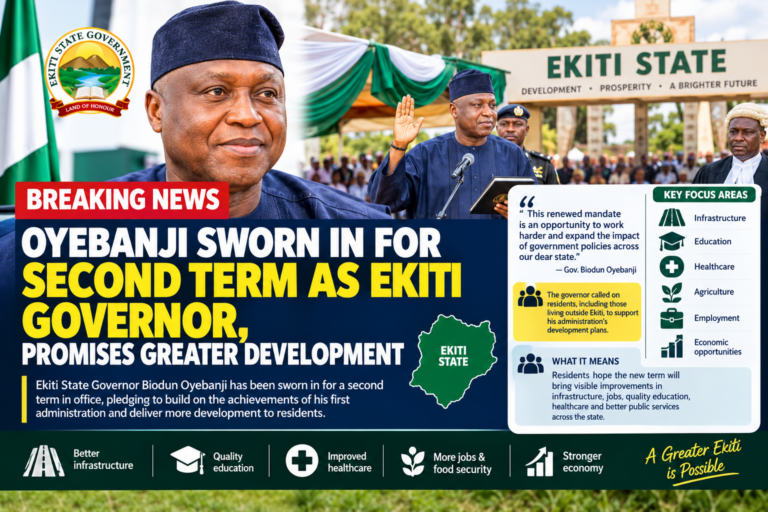
OYEBANJI SWORN IN FOR SECOND TERM AS EKITI GOVERNOR, PROMISES GREATER DEVELOPMENT
Ekiti State Governor Biodun Oyebanji has been sworn in for a second term in office, pledging to build on the achievements of his first administration and deliver more development to residents. The inauguration took place on Friday, October 16, at Ekiti Parapo Pavilion in Ado-Ekiti. According to reports from the Ekiti State Government, the ceremony…
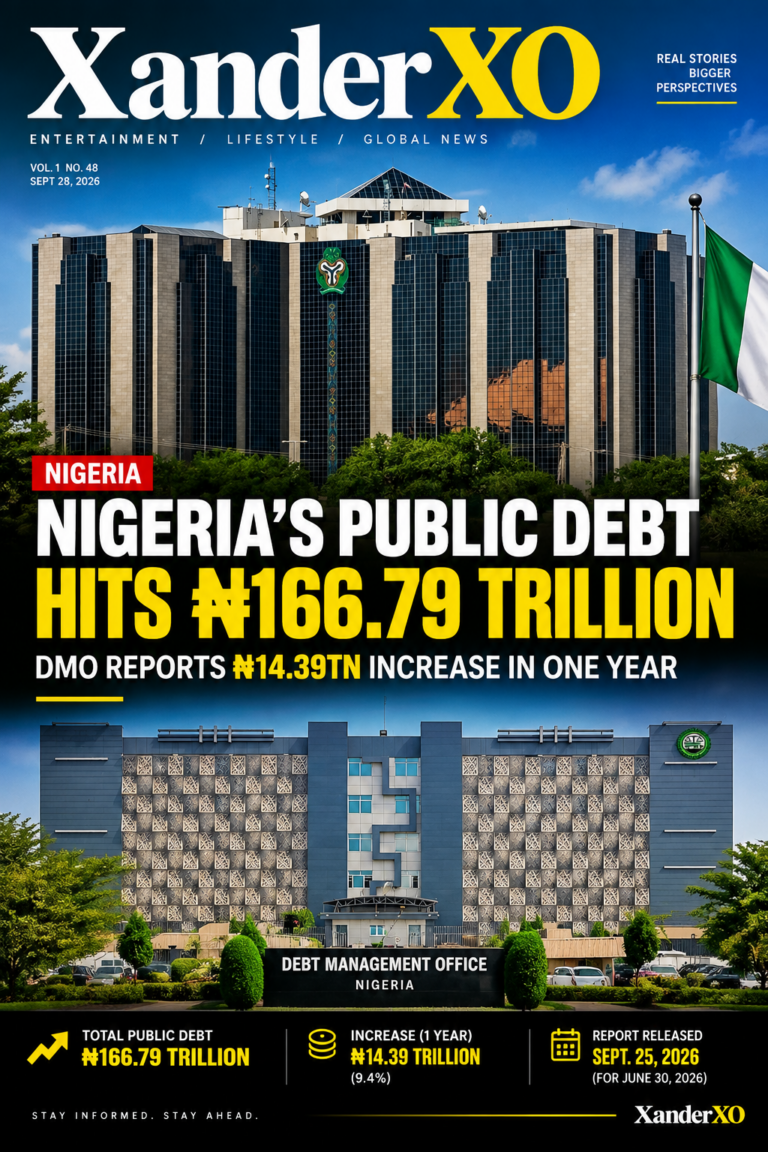
🇳🇬 NIGERIA’S PUBLIC DEBT HITS ₦166.79 TRILLION AS DEBT STOCK RISES BY ₦14.39 TRILLION IN ONE YEAR
Nigeria’s total public debt stock rose to ₦166.79 trillion as of June 30, 2026, according to the latest figures released by the Debt Management Office (DMO). The DMO published the debt report on September 25, 2026, showing that the country’s debt increased from ₦152.40 trillion in June 2025 to ₦166.79 trillion a year later —…
UNDP AND CISCO PARTNER TO EXPAND DIGITAL SKILLS AND EMPLOYMENT OPPORTUNITIES FOR NIGERIAN YOUTHS
The United Nations Development Programme (UNDP) and Cisco have formalised a partnership aimed at strengthening digital skills development and employment opportunities for young Nigerians through the Nigeria Jubilee Fellows Programme. The partnership was announced in a UNDP Nigeria press release published on October 15, following the signing of a memorandum of understanding involving the two…