Nigeria’s securitised Ways and Means debt fell by ₦613.34 billion in the second quarter of 2026, marking the first decline in the obligation since it became part of the country’s public debt stock in 2023. Figures from the Debt Management Office showed that the balance dropped from ₦22.719 trillion in March to ₦22.106 trillion at the end of June 2026. The reduction occurred as the three-year moratorium on principal repayment attached to the securitised obligation expired. Ways and Means Advances are temporary facilities provided by the Central Bank of Nigeria to the Federal Government to help cover revenue shortfalls. The facility became a major issue in Nigeria’s public finances after previous administrations accumulated large obligations through the mechanism. In May 2023, the Federal Government securitised ₦22.719 trillion of the outstanding advances following approvals by the President and National Assembly. The securities were structured with a 40-year tenor and a nine per cent annual interest rate, with principal repayment scheduled over several decades after an initial moratorium. The latest reduction is notable because it represents a decline in one component of the Federal Government’s domestic obligations. However, the broader debt picture shows that Nigeria’s total public debt continued to rise. The Debt Management Office reported that total public debt increased from ₦152.40 trillion in June 2025 to ₦166.79 trillion in June 2026. That represents an increase of about ₦14.39 trillion within one year. Domestic debt stood at approximately ₦91.59 trillion at the end of June, while external debt was about ₦75.20 trillion in naira terms. Federal Government domestic debt also increased during the period. Treasury bills were among the instruments recording significant growth, with outstanding Treasury bills rising from ₦12.76 trillion in June 2025 to ₦19.48 trillion in June 2026. That represents an increase of more than 50 per cent over the period. The figures therefore present two developments occurring at the same time. On one hand, the Ways and Means component recorded its first reduction since being securitised. On the other hand, Nigeria’s overall debt stock continued to expand as the government relied on other borrowing instruments. The government has increasingly used Treasury bills and government bonds to raise funds from the domestic financial market. The rise in public debt has also renewed attention on the cost of government borrowing and the ability of the country to generate sufficient revenue to finance its expenditure. Ways and Means financing is subject to limits under the Central Bank of Nigeria Act, which provides that such advances should not exceed five per cent of the previous year’s actual revenue and should be repaid within the specified period. The latest decline in the securitised balance is therefore a notable movement within Nigeria’s debt structure, but it does not by itself mean that the country’s broader debt challenge has been resolved. With total public debt still rising, fiscal authorities face the continuing task of balancing borrowing requirements with revenue generation, debt servicing and expenditure demands. The June figures will likely remain important for analysts and investors monitoring Nigeria’s fiscal position and the government’s approach to managing its domestic and external obligations.

Similar Posts
FIVE SUSPECTS ARRAIGNED OVER ALLEGED KIDNAPPING OF 20 PROSPECTIVE CORPS MEMBERS IN IMO
Five men have been arraigned before the Imo State High Court over separate alleged kidnapping incidents, including the abduction of 20 prospective members of the National Youth Service Corps. The cases have renewed concerns about the safety of young Nigerians travelling to orientation camps and other destinations for national service. According to reports published on…
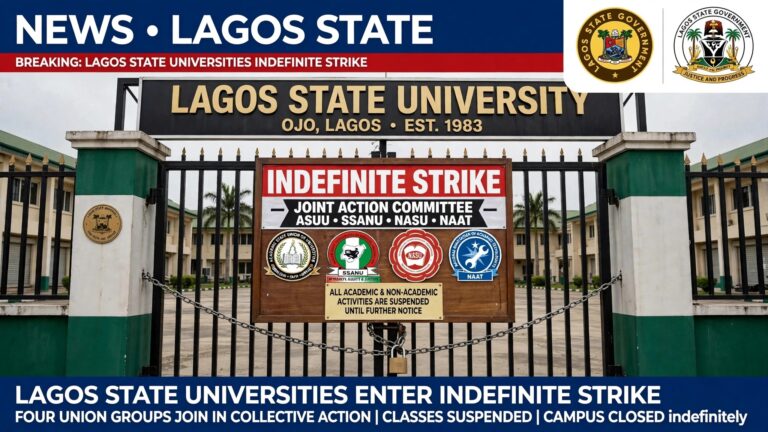
LAGOS UNIVERSITIES SHUTDOWN LOOMS AS FOUR STAFF UNIONS DECLARE INDEFINITE STRIKE
Academic and non-academic activities across Lagos State-owned universities face disruption after four university staff unions declared an immediate, indefinite strike. The unions include the Academic Staff Union of Universities, Senior Staff Association of Nigerian Universities, Non-Academic Staff Union of Educational and Associated Institutions and National Association of Academic Technologists. The Joint Action Committee of the…
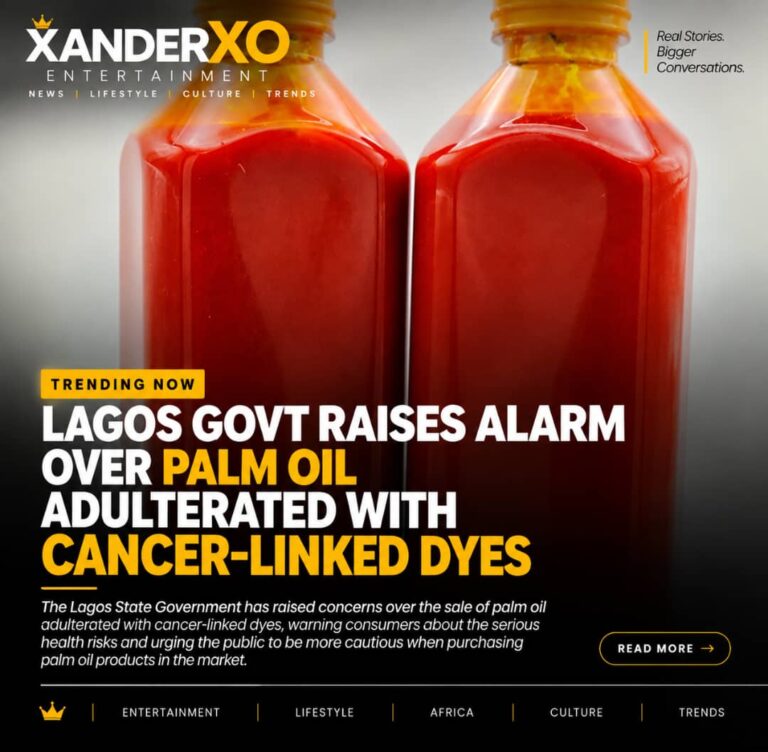
LAGOS GOVT RAISES ALARM OVER PALM OIL ADULTERATED WITH CANCER-LINKED DYES
The Lagos State Government has raised concerns over increasingly sophisticated adulteration of palm oil in markets across the state, urging residents to be more vigilant about the products they purchase.The warning was issued through the Lagos State Consumer Protection Agency (LASCOPA) following a technical presentation at the 2026 Lagos State Food Safety Conference and Exhibition….
TINUBU HAILS WORLD BANK REPORT SAYS NIGERIA’S ECONOMIC REFORMS ARE BEGINNING TO YEILD RESULTS
President Bola Ahmed Tinubu has welcomed the World Bank’s latest assessment of Nigeria’s economy, describing its findings as evidence that his administration’s economic reforms are beginning to produce results.In a statement issued on Sunday, October 11, the President said the World Bank’s October 2026 Nigeria Development Update indicated that the country’s economy was gradually stabilising…
2027 ELECTIONS: TINUBU ENDORSEMENTS FACE POLITICAL PUSHBACK AS OPPOSITION MOBILISATION CONTINUES
Political mobilisation ahead of Nigeria’s 2027 presidential election is gathering momentum, with endorsements for President Bola Tinubu drawing competing reactions from political groups supporting alternative candidates. Nigeria’s political landscape is witnessing increased activity ahead of the next general election, as political figures and interest groups signal their preferences and attempt to shape public debate. President…