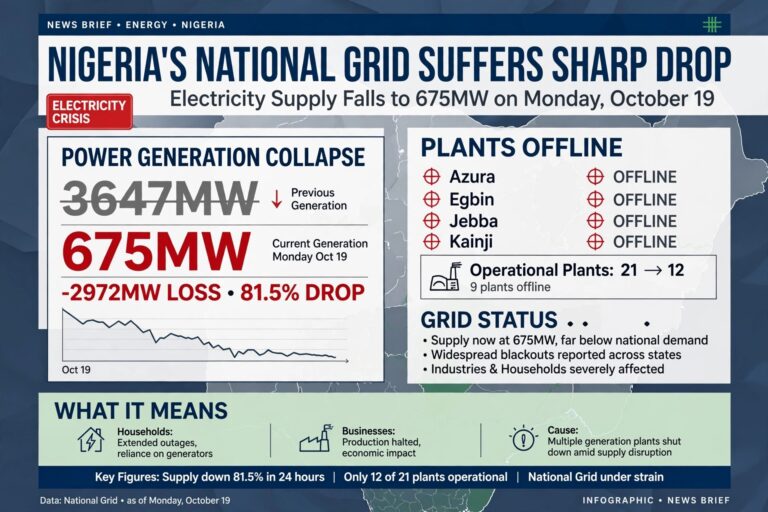
The Sickle Cell Foundation Nigeria has called for stronger Nigerian leadership in developing and implementing home-grown solutions to the country’s sickle cell burden. The foundation made the call as concerns continue over the challenges faced by people living with sickle cell disorder, including access to appropriate healthcare, diagnosis, treatment, counselling and long-term support. The organisation’s position places emphasis on solutions that are developed around Nigeria’s own healthcare realities rather than relying solely on approaches designed elsewhere. The foundation has for years worked across areas including public education, advocacy, diagnosis, patient care, genetic counselling, newborn screening and support for families affected by sickle cell disorder. One of the key areas identified in the foundation’s programmes is prevention and early detection. Its current programmes include community sensitisation, genotype screening, genetic counselling and newborn screening, with the organisation saying these interventions can help families make informed decisions and enable children with sickle cell disorder to receive care earlier. The foundation also runs laboratory services for genotype determination and other haemoglobin-related investigations. Beyond prevention, the organisation provides support for people already living with sickle cell disorder through medical care, welfare assistance and other interventions. The push for home-grown solutions extends to the healthcare system itself. The Sickle Cell Foundation Nigeria is currently implementing a medical workers capacity-development programme aimed at training 1,000 healthcare workers across six states in 2026. The programme covers Kano, Adamawa, Plateau, Oyo, Enugu and Rivers states and focuses on evidence-based approaches to sickle cell crisis management, diagnosis, genetic counselling and other aspects of patient care. The foundation’s wider strategy also includes efforts to strengthen sickle cell clinics, expand community education, support newborn screening and improve access to comprehensive care. The latest call highlights the need for Nigeria’s response to sickle cell disorder to go beyond awareness campaigns. For families living with the condition, the challenges can involve repeated medical treatment, financial pressure, access to medicines and the need for specialised healthcare. The foundation’s programmes therefore combine prevention, treatment, support and efforts toward curative interventions. It also operates a bone marrow transplant programme and describes bone marrow transplantation as a recognised curative option for sickle cell disorder for eligible patients. The foundation is urging stakeholders to invest more in research, education, genetic counselling, newborn screening and healthcare capacity as Nigeria works to reduce the burden of sickle cell disorder. The call adds to the growing emphasis on building healthcare solutions that are accessible, sustainable and suited to the realities of Nigerian patients and communities.
Similar Posts
Rising Cost of Living Keeps Economic Hardship at the Centre of Nigeria’s National Debate
The cost of living remains one of the most important issues confronting Nigerian households as families continue to balance food, transportation, housing, healthcare and education expenses against available income. The National Bureau of Statistics (NBS) released its latest Consumer Price Index report today.Latest Verified Statistics from NBS September 2026: Headline inflation: 14.63% year-on-year in September…
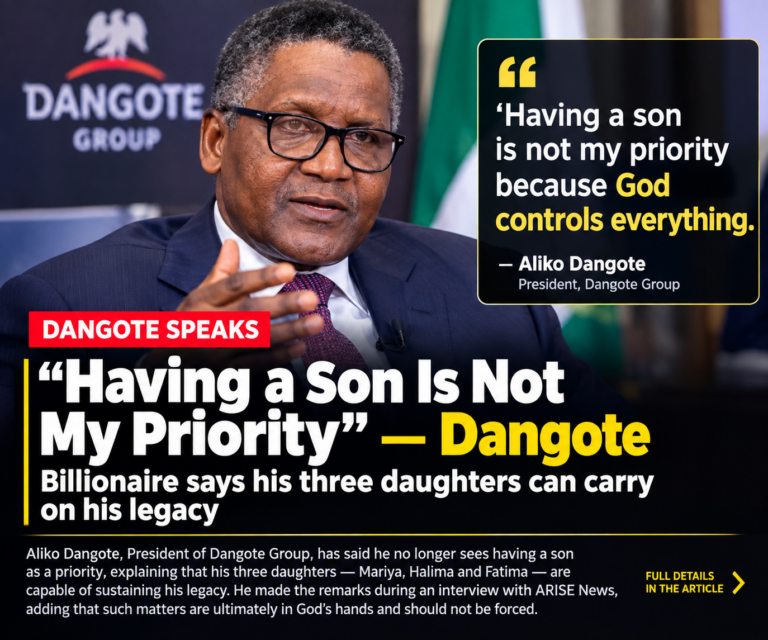
“Having a Son Is Not My Priority” — Dangote Speaks on Male Heir
Billionaire businessman and President of Dangote Group, Aliko Dangote, has revealed that having a son is no longer a priority for him, saying he is confident that his three daughters are capable of carrying on his legacy. Dangote made the statement during an interview with ARISE News after he was asked whether he still hoped…
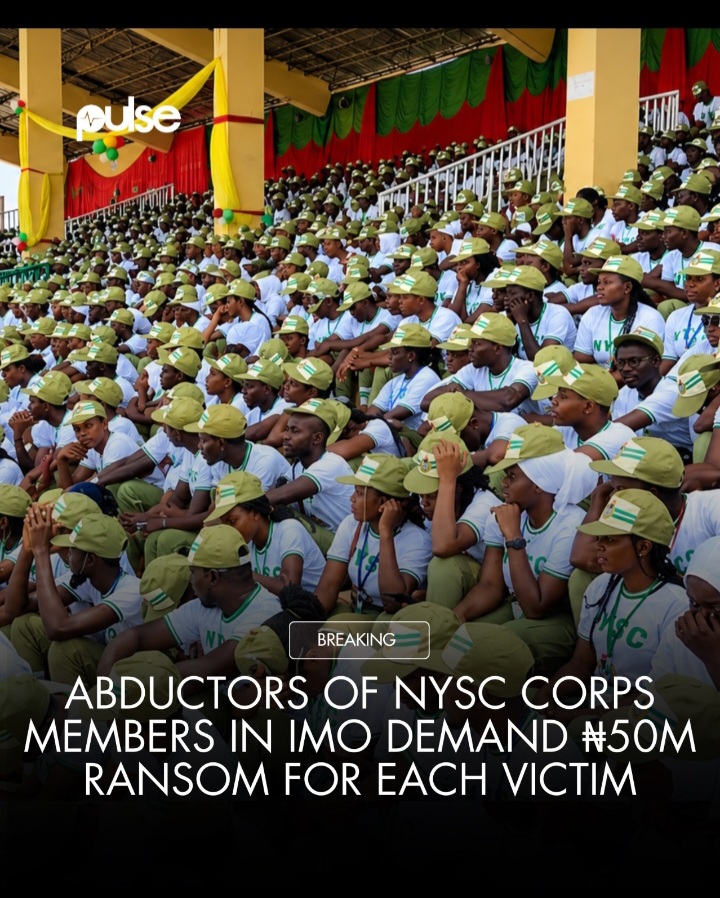
Parents Seek Help as Kidnappers Demand ₦1bn Ransom for 20 Prospective Corps Members
The families of 20 prospective National Youth Service Corps members abducted in Imo State are appealing for urgent help as security agencies continue efforts to rescue the victims. The prospective corps members were travelling from Ibadan towards orientation camps in Abia and Akwa Ibom states when gunmen reportedly attacked two buses along the Owerri-Onitsha Expressway…
Nigeria’s External Earnings Rise to $20.08bn as Oil and Gas Exports Increase
Nigeria’s external earnings climbed to $20.08 billion in the second quarter of 2026, representing a significant increase from the $15.56 billion recorded in the first quarter, according to provisional balance of payments figures released by the Central Bank of Nigeria. The latest figures indicate stronger export performance during the three-month period, with crude oil, natural…
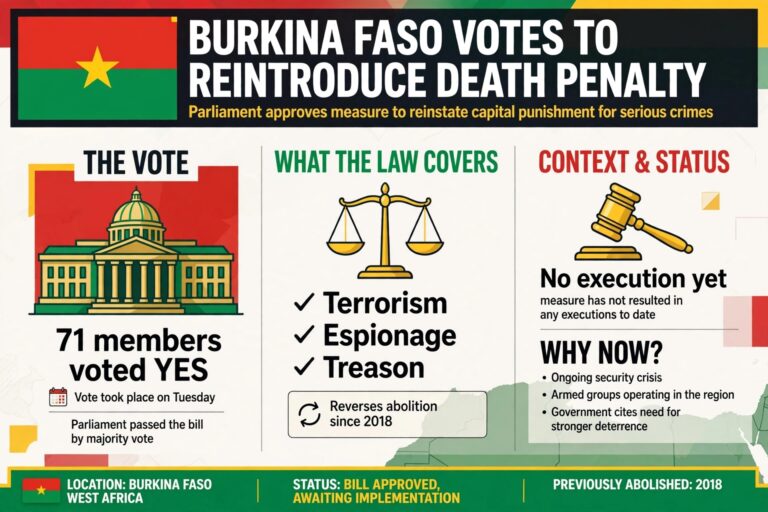
BURKINA FASO VOTES TO REINTRODUCE DEATH PENALTY FOR SERIOUS CRIMES
Burkina Faso’s parliament has voted to reinstate the death penalty for certain serious offences, including terrorism, espionage and treason, in a development that has drawn international attention to the country’s criminal justice system. The decision marks a major change in the country’s approach to capital punishment and comes as Burkina Faso continues to face a…
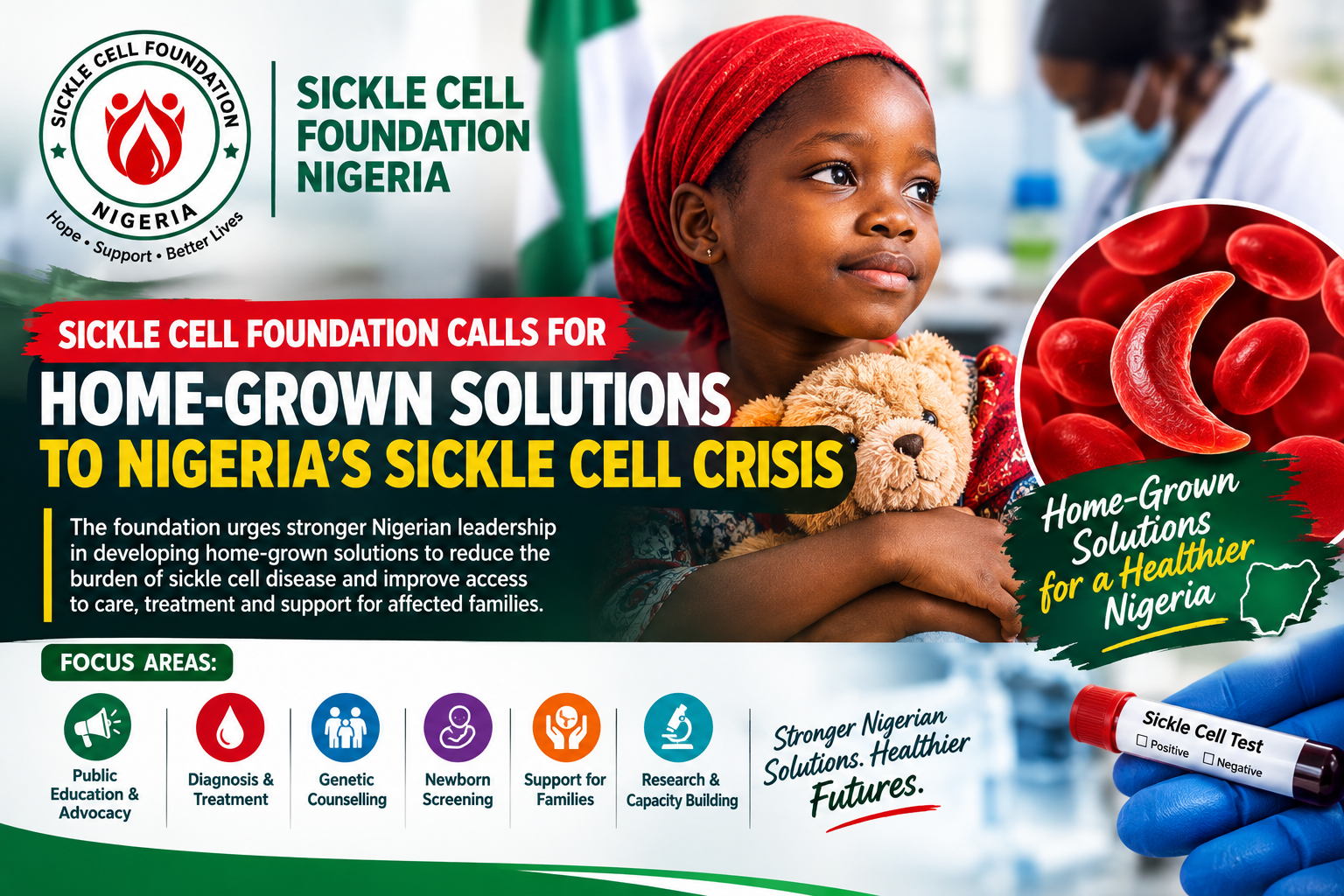
NIGERIA’S NATIONAL GRID SUFFERS SHARP DROP AS ELECTRICITY SUPPLY FALLS TO 675MW
Nigeria experienced a sharp decline in electricity supplied to the national grid on Monday, October 19, after several power plants went offline, raising fresh concerns about the reliability of the country’s electricity supply. Nigeria’s electricity supply suffered a major setback on Monday after power generation connected to the national grid fell sharply to 675 megawatts…