Nigeria’s 66th Independence Anniversary has triggered renewed discussions about the country’s economic direction, living standards and the impact of ongoing reforms. President Bola Tinubu, in his Independence Day address, said reducing the cost of living remained a central focus of his administration. The President said the government was working towards reducing the cost of producing and transporting goods and services as part of efforts to improve living conditions. However, opposition politicians, labour representatives and other groups have continued to express concerns about the immediate effect of economic reforms on ordinary Nigerians. The debate has focused particularly on food prices, transport costs, petrol prices, wages and employment opportunities. Organised private-sector stakeholders have also called for economic reforms to translate into increased productivity, stronger business competitiveness, more jobs and improved purchasing power for households. The contrasting views have ensured that economic issues remain prominent in conversations surrounding Nigeria’s 66th year of independence. For many Nigerians, the anniversary has therefore been both a celebration of national survival and an opportunity to assess the country’s progress since independence in 1960. The Federal Government maintains that its reforms are aimed at building a stronger economy over the long term. Critics, however, continue to call for faster relief for households and businesses facing high operating and living costs. The debate is expected to continue as the government implements its economic policies and Nigerians assess how those policies affect their daily lives.

Similar Posts
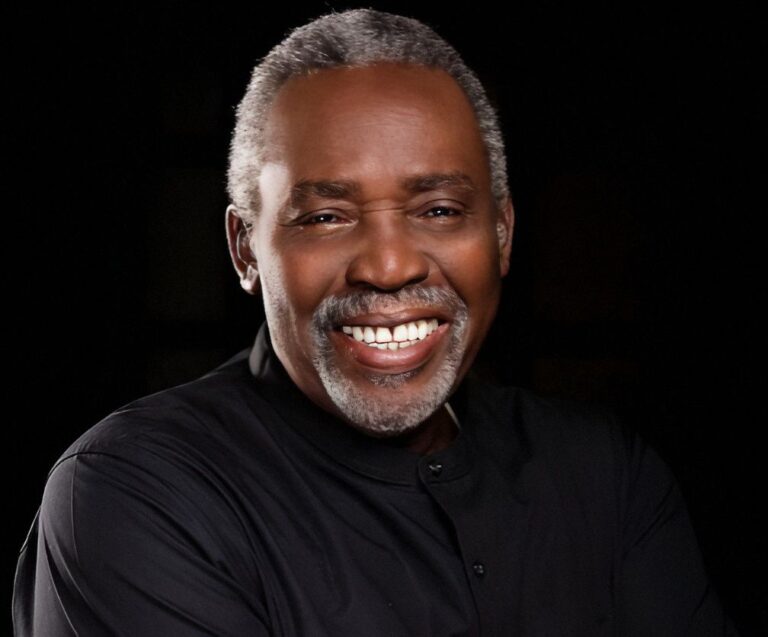
Olu Jacobs: Remembering a Legend Who Gave Over Five Decades to Acting
The Nigerian entertainment industry has lost one of its most respected veterans. Veteran actor Oludotun Baiyewu Jacobs, popularly known as Olu Jacobs, died on Wednesday, September 16, 2026, at the age of 84. His death was announced by his family through his son, Olusoji Jacobs, who described him as “The Lion of Lufodo.” The family…
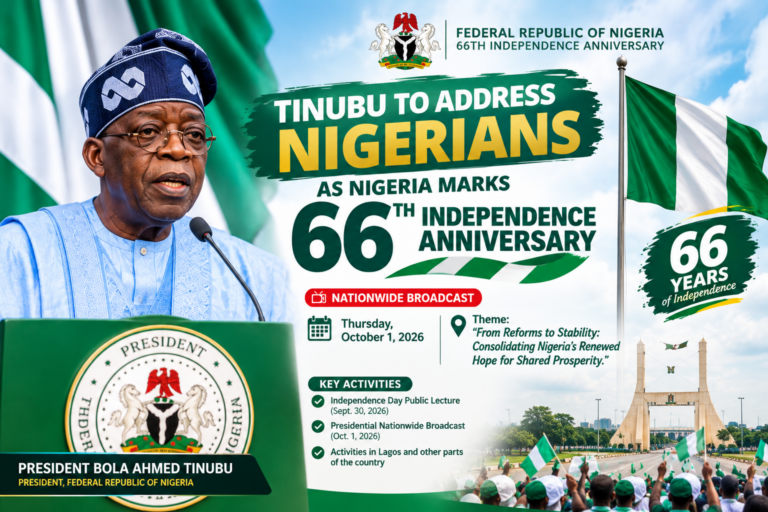
Tinubu to Address Nigerians as Nigeria Marks 66th Independence Anniversary
President Bola Ahmed Tinubu is scheduled to address Nigerians in a nationwide broadcast on Thursday, October 1, as the country marks its 66th Independence Anniversary. The broadcast is part of the Federal Government’s programme for the 2026 Independence celebrations, which have been designed as a relatively low-key commemoration. Nigeria gained independence from British colonial rule…
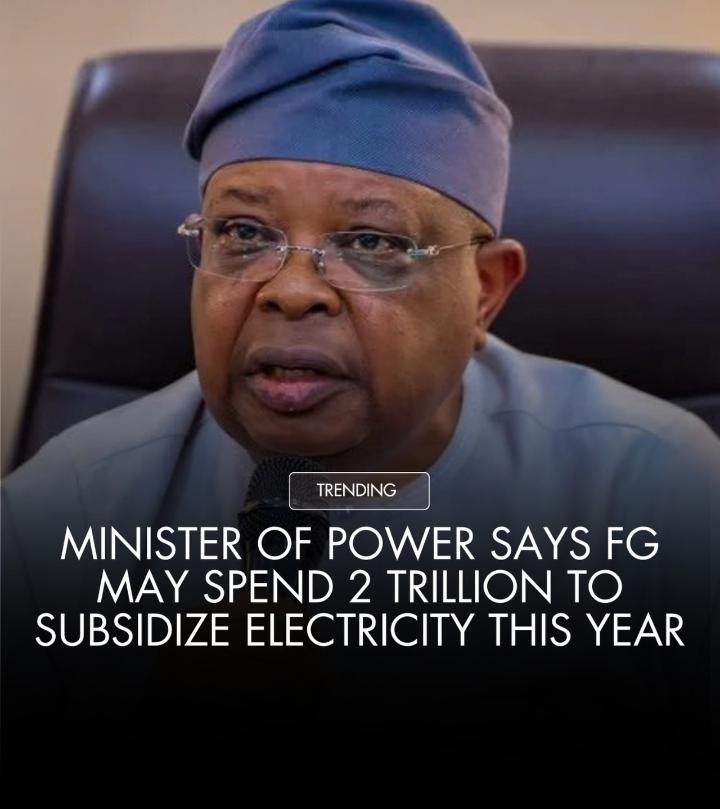
FG May Spend ₦2 Trillion on Electricity Subsidy as Tariff Hike Remains Off Table
The Federal Government may face an electricity subsidy bill of about ₦2 trillion in 2026 as it maintains that there are no immediate plans to increase electricity tariffs, amid continuing financial pressures across Nigeria’s power sector. The development follows comments by the Minister of Power, Joseph Olasunkanmi Tegbe, who reiterated the government’s position during a…
🇳🇬 FG Announces 100MB Free Daily Data for Nigerian Students From October 1
Nigerian students in public senior secondary and tertiary institutions are set to receive 100MB of free daily data from October 1, 2026, for accessing approved educational platforms and digital learning content.
FG TARGETS 14 GERMAN COMPANIES FOR FRESH INVESTMENTS IN NIGERIA
The Federal Government has intensified efforts to attract German investors into Nigeria as it seeks fresh capital and technology for key sectors of the economy. About 14 German companies are reportedly exploring investment opportunities in areas including cement, mining, construction and industrial technology. The development follows renewed discussions between Nigerian officials and German business representatives…
FCT Police Warn Criminals to Stay Away From Abuja During Independence Celebrations
The Federal Capital Territory Police Command has warned criminal elements to stay away from Abuja as Nigeria celebrates its 66th Independence Anniversary. The warning comes as security agencies intensify operations across the nation’s capital to ensure peaceful celebrations. The FCT Police Command assured residents that adequate security arrangements had been put in place to protect…