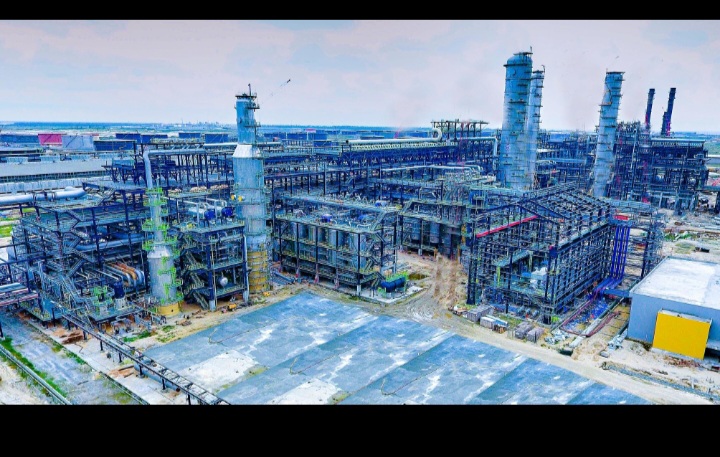
Dangote Petroleum Refinery has increased its gantry price for automotive gas oil, commonly known as diesel, by ₦100 per litre. According to a notice from the refinery’s Group Commercial Operations, reviewed by http://Petroleumprice.ng, the price was raised from ₦1,700 to ₦1,800 per litre, effective Saturday, October 10, 2026. The adjustment represents a 5.88% increase. Customers were instructed to return all Automated Truck Call-ups (ATCs) for repricing, while new volume contracts will be issued to resume loading. The development has drawn attention to the potential impact of fuel-price adjustments on Nigerian businesses. Diesel remains an important source of energy for commercial transport operators, manufacturers, construction companies and businesses that depend on generators to maintain electricity supply. An increase in the refinery’s selling price could place additional pressure on businesses already managing transportation, operating and production costs. For small businesses, even relatively modest changes in fuel prices can affect daily expenditure, particularly where electricity supply is unreliable and diesel-powered generators are essential to operations. Transport operators may also face higher costs, depending on how the adjustment affects the prices offered by fuel distributors and filling stations. Industry surveys indicate that despite the increase, Dangote’s gantry price at ₦1,800 remains ₦105 cheaper than rival depot owners offering diesel at ₦1,905 per litre. Retail pump prices in Abuja are currently in the range of ₦1,960 to ₦1,980 per litre. These additional costs can sometimes be reflected in the prices consumers pay for goods and services, although the extent of any impact depends on competition, supply conditions and other operating expenses. The gantry price charged by a refinery is different from the retail price paid by consumers. Distribution expenses, transport costs, dealer margins and other market conditions can influence the final price. Nigeria’s downstream petroleum market has experienced significant changes since the removal of the petrol subsidy, making developments involving major domestic refineries particularly important to businesses and consumers. The growth of domestic refining capacity has increased attention on how local supply, import requirements and competition influence fuel prices. Consumers and businesses will therefore be watching for further information about diesel supply and how distributors and retailers respond to the confirmed adjustment.
Similar Posts
“NO MERCY”: IBRAHIM TRAORÉ WARNS FOREIGN OR LOCAL SPIES IN BURKINA FASO COULD FACE DEATH PENALTY OUAGADOUGOU, BURKINA FASO
Burkina Faso’s military leader, Captain Ibrahim Traoré, has issued a stern warning to individuals accused of espionage or treason, saying those caught spying for foreign powers could face the death penalty. Traoré made the remarks during an interview in Ouagadougou on September 28, 2026, as his government continues to adopt a tougher position toward what…
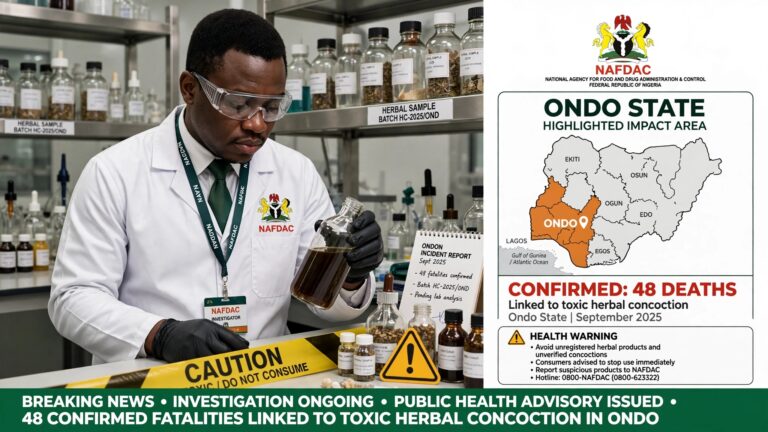
NAFDAC Confirms 48 Deaths Linked to Toxic Herbal Concoction in Ondo
The National Agency for Food and Drug Administration and Control has confirmed that 48 people have died following the consumption of a toxic herbal concoction in Ondo State. The agency also disclosed that 182 cases of illness have been recorded in connection with the incident, prompting further investigation into the substance responsible for the outbreak….
WAEC WARNS AGAINST ARBITRARY CHARGES AS PARENTS PREPARE FOR 2027 EXAMINATION
The West African Examinations Council (WAEC) has reportedly raised concerns about arbitrary charges imposed on students preparing for the 2027 May/June West African Senior School Certificate Examination. The development was reported on October 17 following remarks attributed to WAEC’s Head of National Office in Nigeria, Suleiman Danlami Kum. According to the report, Kum said the…
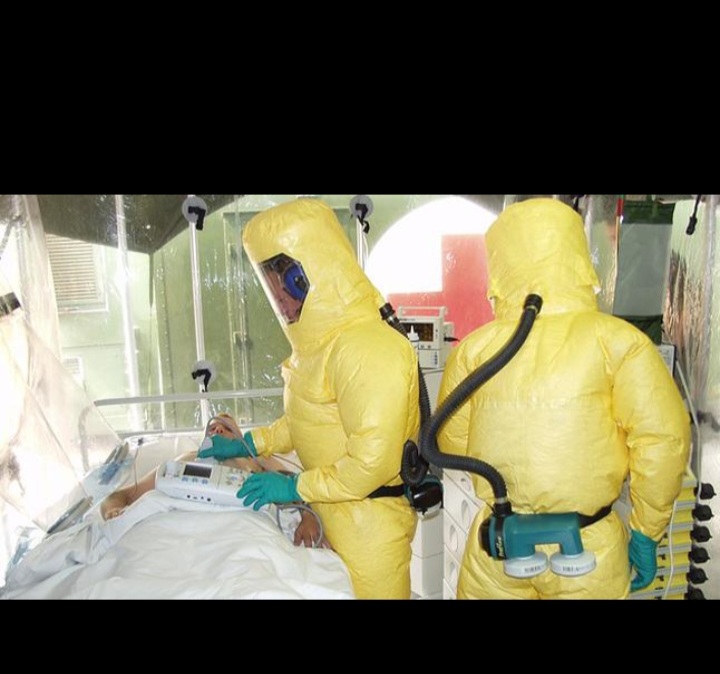
NIGERIA MAINTAINS EBOLA MONITORING MEASURES AS HEALTH AUTHORITIES TRACE CONTACTS
Nigerian health authorities are continuing to monitor people linked to the country’s confirmed Ebola case as part of efforts to prevent further transmission. The case has prompted renewed attention to public health preparedness, laboratory testing and coordination between health agencies, officials were tracking 53 contacts connected to the confirmed patient as of October 26, 2026….
TG OMORI OPENS UP ON GRUELING KIDNEY FAILURE BATTLE, REVEALS ₦31M TRANSPLANT COST
Nigerian music video director TG Omori has opened up about the difficult health battle that kept him away from the spotlight, revealing the devastating physical, emotional and financial toll of his struggle with kidney failure.Speaking during an interview on the Afropolitan Podcast, Omori recounted how his health deteriorated despite treatment, eventually leaving him hospitalised for…