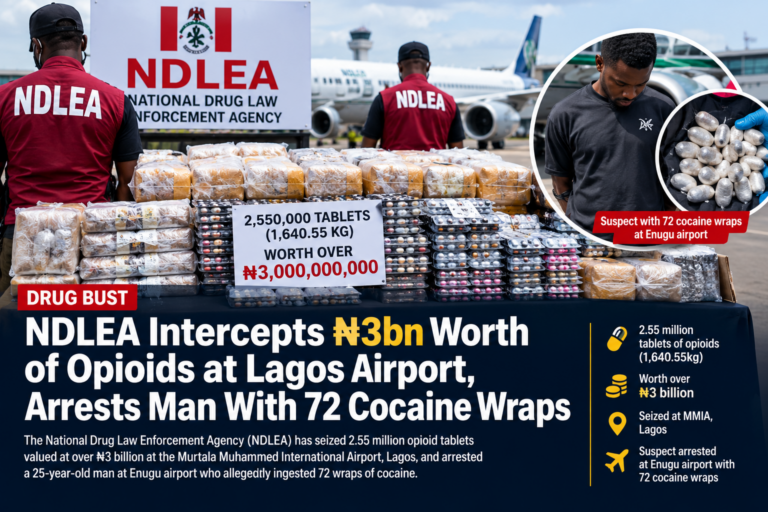
Former President Olusegun Obasanjo has reportedly called for increased derivation benefits for Nigeria’s oil-producing states, bringing renewed attention to the country’s longstanding debate over resource ownership and revenue distribution. The issue is particularly important to communities in the Niger Delta, where oil production generates substantial economic activity but environmental damage, infrastructure challenges and development concerns have remained prominent public issues. The reported position has renewed interest in whether the existing revenue-sharing arrangements adequately reflect the contributions and needs of oil-producing communities. Nigeria’s derivation principle is designed to return a portion of revenue generated from natural resources to the states from which those resources originate. Under the current constitutional framework, at least 13 per cent of revenue accruing directly from natural resources is allocated on a derivation basis to the relevant states. The arrangement is intended to recognise the contribution of resource-producing areas and provide additional resources to address development needs. However, debates continue over whether the existing allocation is sufficient to address the environmental and socioeconomic challenges associated with oil exploration and production. For many residents of oil-producing communities, the debate is about more than government revenue. Communities have long raised concerns about oil spills, pollution, damaged fishing grounds, agricultural losses and limited access to basic infrastructure. Environmental damage can affect livelihoods for years, particularly where residents depend on farming and fishing. Increased derivation revenue could potentially give state governments additional resources to invest in infrastructure and development. Its effectiveness, however, would depend on how the money is managed and whether projects respond to the needs of affected communities. Debates about resource revenue also raise questions about accountability at both state and federal levels. Additional funding alone cannot guarantee improved living conditions if public money is not properly managed. Citizens and civil society groups therefore have a role in demanding transparency in revenue allocation, public expenditure and the implementation of development projects. Oil-producing states must also demonstrate that the resources they receive are being used to improve public services and economic opportunities. Nigeria’s resource-sharing debate reflects the challenge of balancing national development priorities with the needs of states that produce natural resources. Supporters of increased derivation benefits argue that producing communities deserve greater compensation for the environmental and social costs associated with extraction. Others emphasise the need for a revenue-sharing system that also supports national infrastructure, public services and development in states with fewer natural resources. The way forward requires transparent policy discussions, reliable revenue data and an assessment of how different allocation arrangements affect communities. If the reported call for increased derivation benefits leads to further debate, the central question will be whether changes can deliver measurable improvements in the lives of people living in oil-producing areas.
Similar Posts
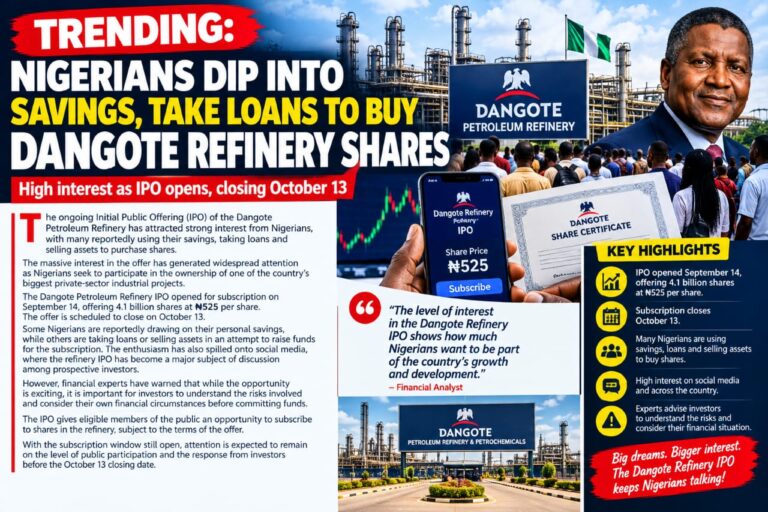
Nigerians Dip Into Savings, Take Loans to Buy Dangote Refinery Shares
The ongoing Initial Public Offering of the Dangote Petroleum Refinery has attracted strong interest from Nigerians, with some prospective investors reportedly using personal savings, taking loans and selling assets to raise money to purchase shares. The development has generated widespread attention as Nigerians seek to participate in the ownership of one of the country’s biggest…
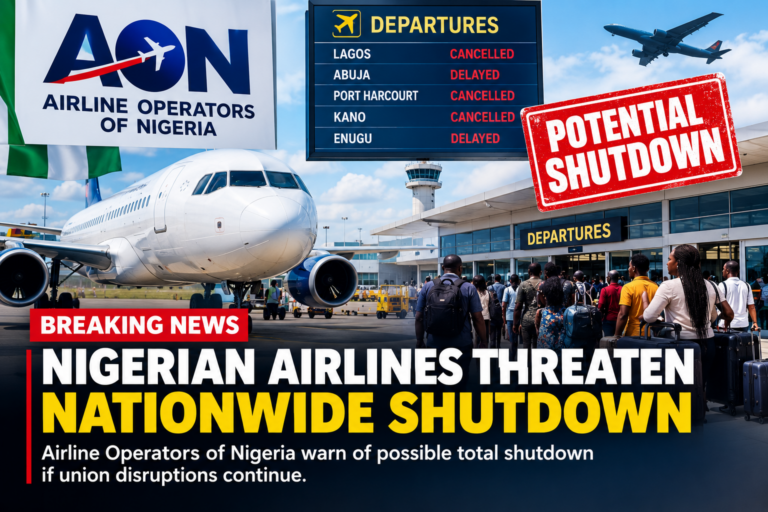
Nigerian Airlines Threaten Nationwide Shutdown Over Future Union Disruptions
Domestic airlines operating under the Airline Operators of Nigeria have warned that they could shut down their operations nationwide if aviation unions again disrupt the operations of any member airline. The warning follows the disruption of airline activities during an industrial action at airports in Lagos and Abuja on August 11. The Airline Operators of…
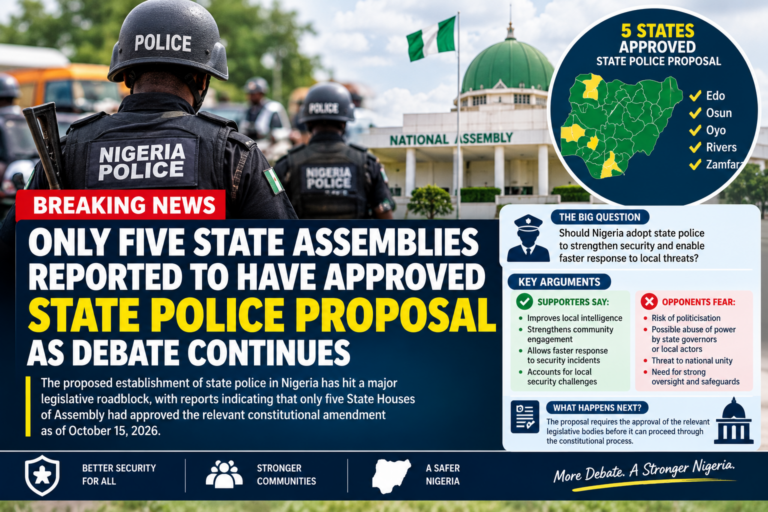
ONLY FIVE STATE ASSEMBLIES REPORTED TO HAVE APPROVED STATE POLICE PROPOSAL AS DEBATE CONTINUES
The proposed establishment of state police in Nigeria has encountered a legislative challenge, with reports indicating that only five State Houses of Assembly had approved the relevant constitutional amendment by the reported October 15 deadline. The development has renewed debate over whether Nigeria should decentralise its policing structure to allow states to establish their own…
TINUBU RULES OUT RETURN OF PETROL SUBSIDY AS NIGERIANS CONTINUE TO GRAPPLE WITH HIGH FUEL PRICES
President Bola Tinubu’s administration has maintained its position against restoring petrol subsidies, keeping the controversial policy at the centre of Nigeria’s economic debate as households and businesses struggle with rising living costs. The Federal Government has again defended the removal of petrol subsidies, insisting that Nigeria cannot afford to return to the previous system despite…
LAGOS POLICE DETAIN FOUR OFFICERS AFTER VIRAL HARASSMENT VIDEO
The Lagos State Police Command has reportedly detained four police officers and disbanded their tactical team following the circulation of a viral video allegedly showing officers harassing a young man in the Odogunyan area of Ikorodu. The development was reported on October 23, 2026, after the command announced that the officers had been identified and…
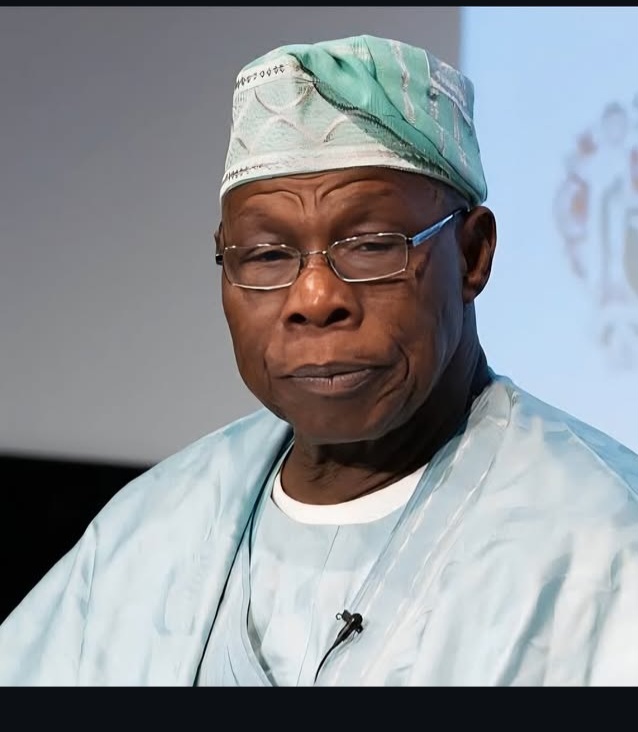
NDLEA Intercepts ₦3bn Worth of Opioids at Lagos Airport, Arrests Man With 72 Cocaine Wraps
The National Drug Law Enforcement Agency (NDLEA) has announced the interception of 2.55 million tablets of opioids valued at more than ₦3 billion at the Murtala Muhammed International Airport in Lagos. The agency said the drugs, weighing 1,640.55 kilogrammes, were seized on September 22 during the examination of three consignments at the airport’s import shed….