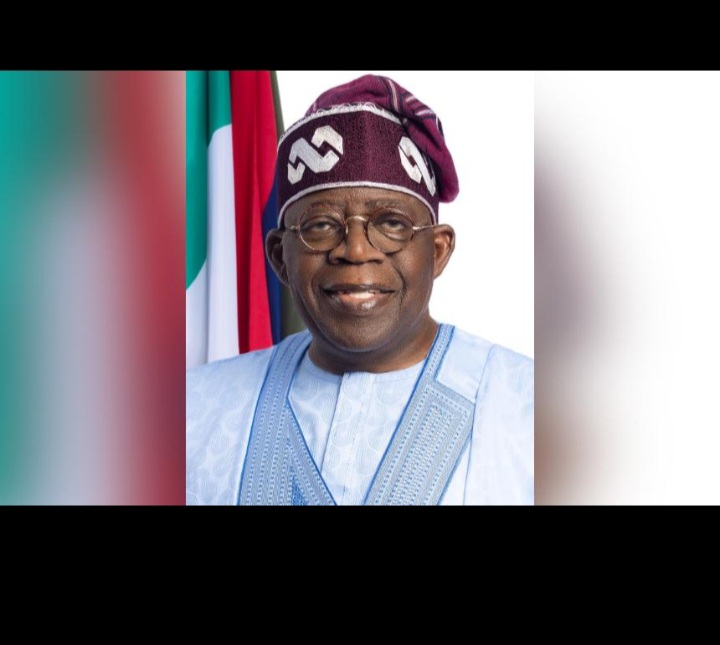
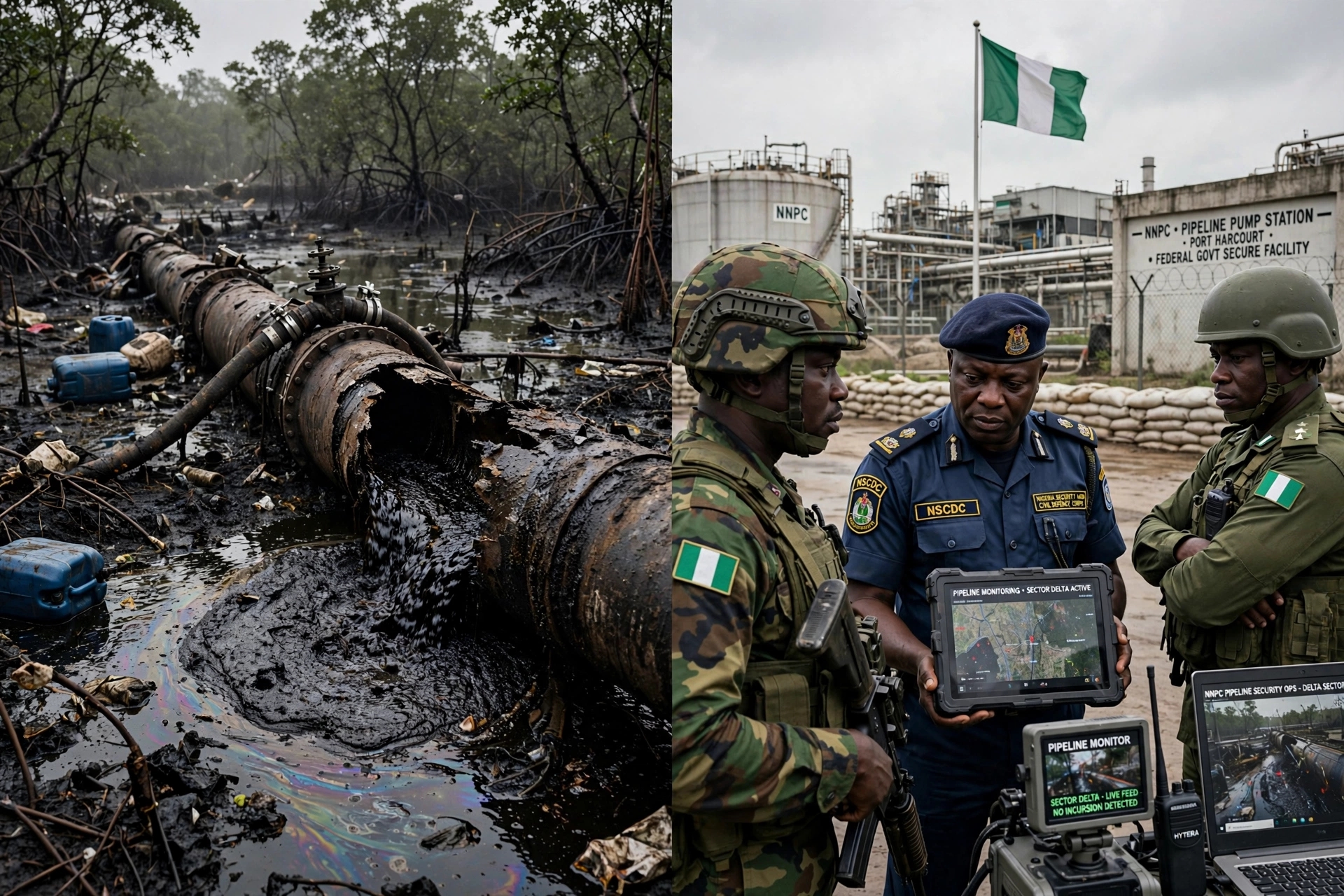
Nigeria’s efforts to combat crude oil theft and pipeline vandalism have received renewed attention following reports that the Federal Government is introducing a strategy to strengthen the protection of oil infrastructure. The initiative is aimed at addressing a longstanding challenge that has affected the country’s petroleum industry, public revenue and the security of oil-producing communities. Nigeria relies heavily on petroleum-related revenue, making the protection of production facilities and transportation infrastructure an important national economic priority. Crude oil theft and illegal connections to pipelines have historically posed significant challenges to Nigeria’s oil industry. Such activities can result in lost production, damage to infrastructure, environmental pollution and substantial financial losses. Pipeline vandalism can also disrupt operations and expose surrounding communities to dangerous spills and fires. The effects may extend to local livelihoods, especially where farming and fishing are affected by pollution. An effective response requires more than the deployment of security personnel. Authorities need reliable intelligence, cooperation between relevant agencies, effective monitoring systems and investigations capable of identifying those who finance or organise illegal operations. The involvement of local communities can also be important because residents may have information about suspicious activities and changes in criminal operations. However, community cooperation depends partly on public confidence in the authorities and the assurance that reports will be handled appropriately. Oil theft can reduce the quantity of crude available for legitimate sale and disrupt the government’s revenue expectations. Production interruptions can also affect companies operating in the sector and create uncertainty for investors. A stronger security framework could help improve operational stability if it successfully reduces theft, vandalism and associated disruptions. Nevertheless, the actual impact will depend on the resources committed to implementation and the effectiveness of enforcement. The fight against oil theft should also include measures to prevent and respond to environmental damage. Where spills occur, affected communities need timely information, effective containment and appropriate remediation. Authorities should also investigate the causes of pollution and ensure that responsible parties are held accountable in accordance with the law. The success of the reported strategy will depend on measurable results rather than announcements alone. Important indicators include reductions in oil theft, improved production stability, fewer pipeline attacks and better protection for affected communities. The Federal Government will also need to explain how agencies will coordinate their responsibilities and how progress will be assessed. For Nigeria, protecting oil infrastructure is not only an economic issue but also a matter of environmental safety, public accountability and community security.
Similar Posts
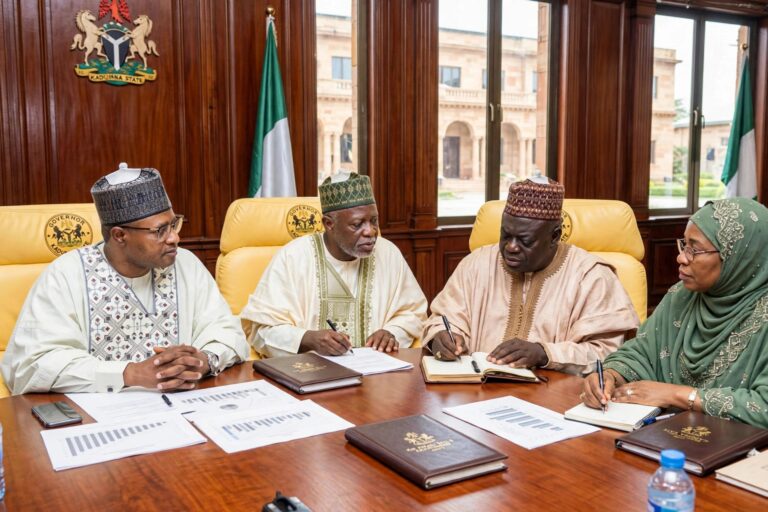
Uba Sani Calls for Unified Northern Strategy on Education and Development Kaduna State Governor
Uba Sani has called on leaders in Northern Nigeria to stop focusing primarily on the quest for political power at the centre and instead develop a common blueprint to address the region’s persistent development challenges. The governor made the call on Wednesday when the leadership of the Sir Ahmadu Bello Memorial Foundation, led by former…
TIMI DAKOLO URGES NIGERIANS NOT TO MAKE ENEMIES OVER POLITICS
The Nigerian singer has defended his call for political tolerance, saying disagreements over parties and candidates should not turn citizens into personal enemies. Nigerian singer Timi Dakolo has urged citizens to avoid allowing political differences to destroy personal relationships or create unnecessary hostility. Dakolo reportedly made the comments while responding to criticism of a post…
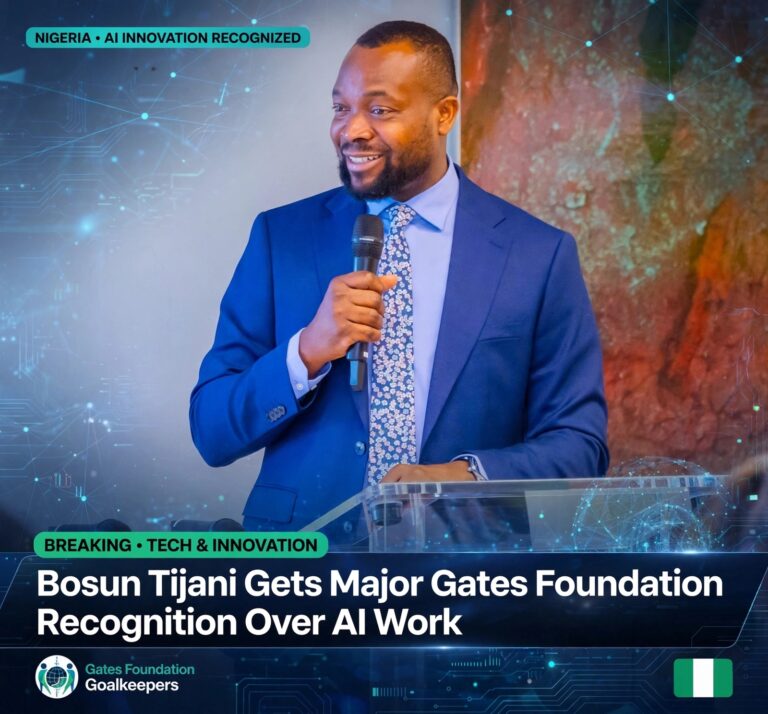
TRENDING: Bosun Tijani Gets Major Gates Foundation Recognition Over AI Work
Nigeria’s digital transformation agenda has received international attention after Communications Minister Bosun Tijani was named among the Gates Foundation’s 2026 Goalkeepers Champions. Nigeria’s Minister of Communications, Innovation and Digital Economy, Dr. Bosun Tijani, has been recognised by the Gates Foundation as one of its 2026 Goalkeepers Champions. The recognition highlights his work around digital transformation…
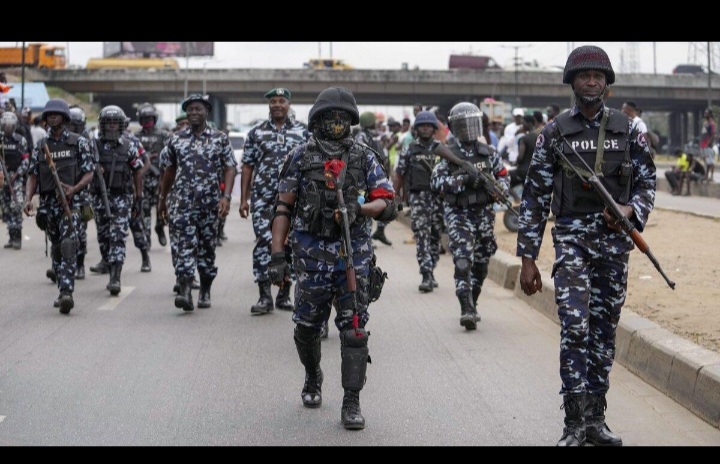
POLICE BEGIN TRAINING 10,000 OFFICERS AHEAD OF 2027 GENERAL ELECTION
The Nigeria Police Force has commenced a nationwide training programme for 10,000 police officers as part of preparations for the 2027 general election. The exercise, announced on October 23, 2026, is being conducted in collaboration with the Nigeria Police Trust Fund, the initiative is intended to strengthen the capacity of officers to manage election-related security…
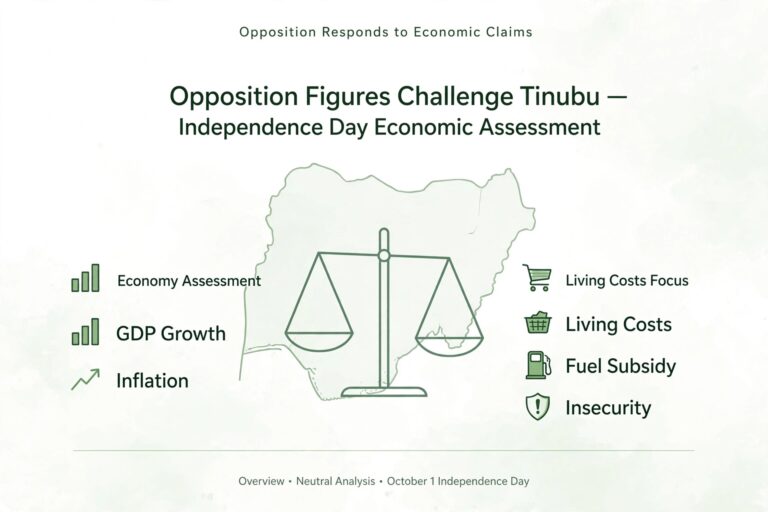
Opposition Figures Challenge Tinubu’s Independence Day Economic Assessment
President Bola Tinubu’s Independence Day address has triggered contrasting reactions from opposition figures, with critics questioning the administration’s assessment of Nigeria’s economic progress. In his October 1 address marking the country’s 66th Independence anniversary, Tinubu said Nigeria had moved beyond a difficult period of economic reforms and was entering what he described as an “age…
TINUBU NOMINATES SIX EXECUTIVE DIRECTORS FOR NMDPRA, SEEKS SENATE CONFIRMATION
President Bola Ahmed Tinubu has nominated six individuals for appointment as executive directors of the Nigerian Midstream and Downstream Petroleum Regulatory Authority (NMDPRA), forwarding their names to the Senate for confirmation. The nominations were announced on Friday, October 30, 2026, by the President’s Special Adviser on Information and Strategy, Bayo Onanuga. According to the announcement,…