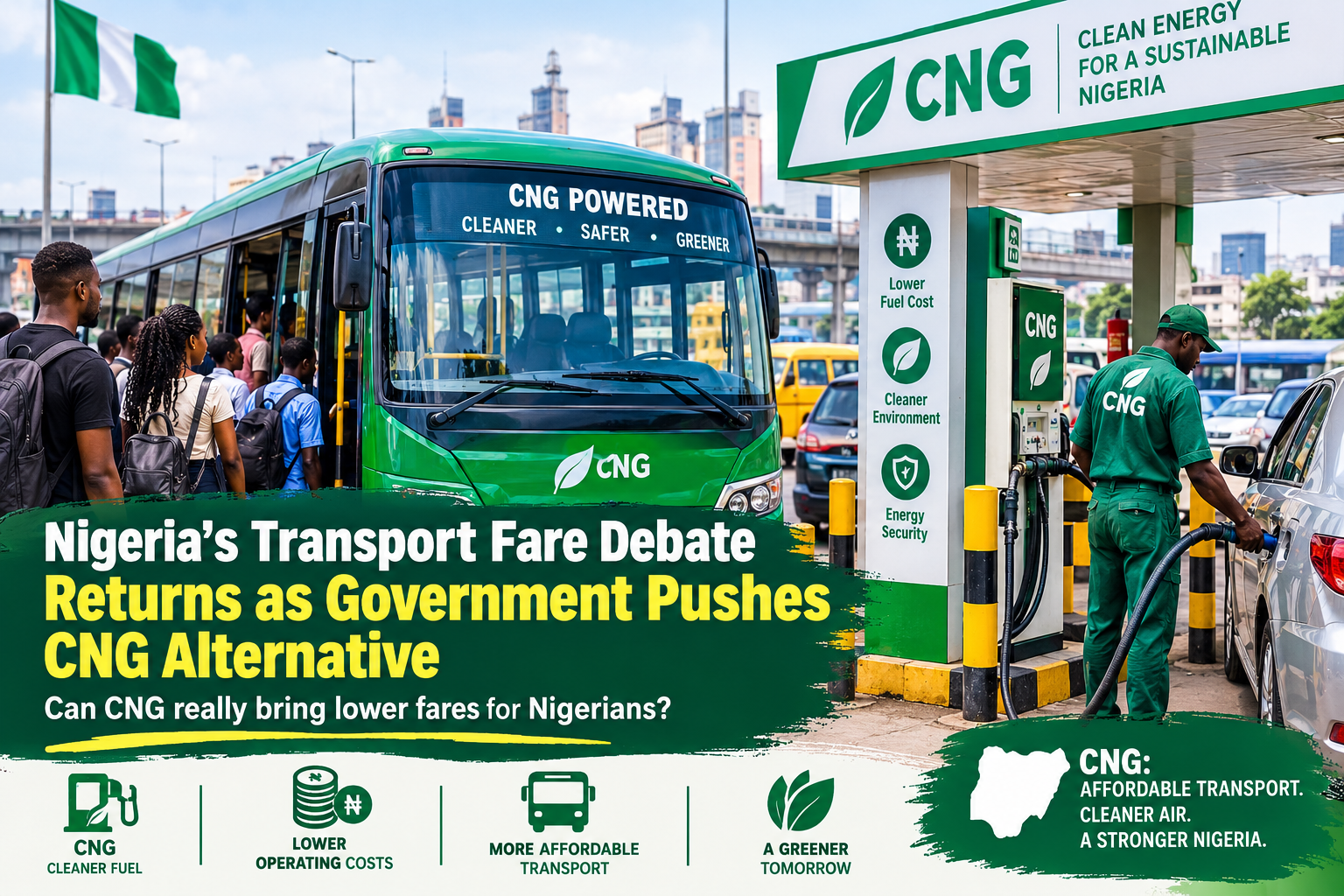
Nigeria’s efforts to reduce transportation costs through compressed natural gas-powered vehicles are facing renewed public scrutiny, as commuters continue to look for meaningful relief from rising travel expenses. The Federal Government has promoted compressed natural gas, commonly known as CNG, as an alternative to petrol for vehicles, particularly commercial transport fleets. The initiative is intended to help reduce operating expenses, encourage cleaner fuel use and lessen the impact of petrol-price increases on transport operators. However, the central question for many Nigerians remains whether the anticipated savings will translate into lower fares for passengers. CNG is natural gas compressed to a level suitable for use as vehicle fuel. Depending on local fuel prices, vehicle efficiency and maintenance requirements, it can offer operators a potentially cheaper alternative to petrol. For commercial drivers, fuel costs represent a significant part of daily operating expenses. A reduction in those costs could improve profitability or create room for lower fares. The potential benefits, however, depend on access to reliable refuelling facilities, the cost of converting vehicles, maintenance arrangements and the availability of compatible vehicles. Without adequate infrastructure, operators may struggle to use CNG consistently. For passengers, the success of a transport policy is often measured by what happens to the fares they pay. Even when a transport operator spends less on fuel, fares may not automatically fall. Other costs, including vehicle financing, spare parts, insurance, repairs and wages, can influence pricing decisions. Operators may also need time to recover the cost of converting vehicles or purchasing new ones. These factors make it important to distinguish between reducing operating costs and reducing passenger fares. The government and transport stakeholders will need reliable data to determine whether the CNG initiative is delivering measurable savings across the sector. Expanding the use of CNG requires more than distributing vehicles or supporting conversions. Refuelling stations must be available in locations where commercial drivers can access them without losing significant working time. Vehicle conversion facilities must also meet appropriate safety standards. Supply arrangements, technical expertise and maintenance services are equally important. If these elements are insufficient, drivers may face additional expenses or operational difficulties that reduce the expected benefits. A successful transition will therefore require coordinated investment from government agencies, private companies and transport operators. Transportation is closely connected to the cost of living because it affects the movement of workers, students, traders and goods. When fares rise, households may have less money available for food, education, healthcare and other essential needs. Businesses can also face higher distribution costs, which may contribute to increased prices for goods and services. A reliable and affordable transport system is therefore important not only for commuters but also for the wider economy. If CNG adoption helps operators reduce costs and improve efficiency, the benefits could extend beyond the transport industry. The government will need to assess the programme using measurable indicators, including the number of operational CNG vehicles, the availability of refuelling stations, conversion costs and changes in operators’ fuel expenses. Transparent reporting would help the public understand whether the initiative is achieving its objectives. Engagement with transport unions and commercial operators will also be important in identifying the barriers preventing wider adoption. Where genuine cost savings are achieved, policymakers could explore incentives that encourage operators to pass some of those benefits on to passengers. CNG has the potential to become part of Nigeria’s response to high transport costs, but its success will depend on practical implementation. For commuters struggling with daily expenses, promises of cheaper fuel are not enough. They need a transport system that is dependable, safe and affordable. The real test of Nigeria’s CNG initiative is whether it can move beyond fuel substitution and deliver a noticeable difference in the cost of travelling.
Similar Posts
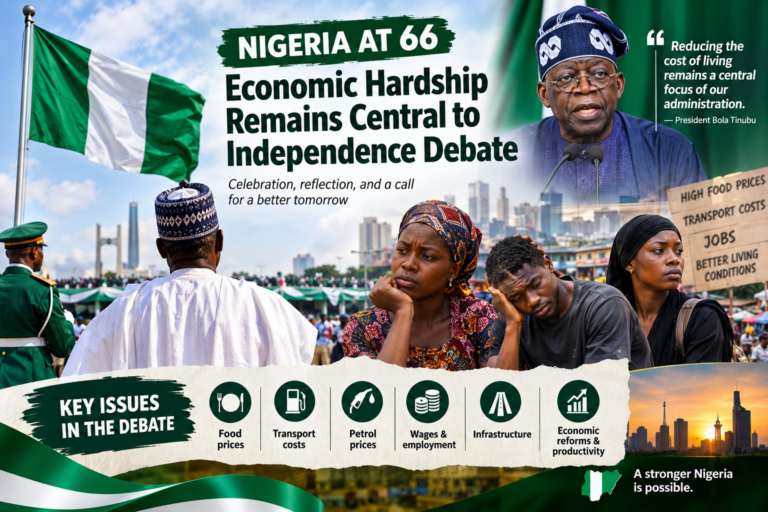
Nigeria at 66: Economic Hardship Remains Central to Independence Debate
Nigeria’s 66th Independence Anniversary has triggered renewed discussions about the country’s economic direction, living standards and the impact of ongoing reforms. President Bola Tinubu, in his Independence Day address, said reducing the cost of living remained a central focus of his administration. The President said the government was working towards reducing the cost of producing…
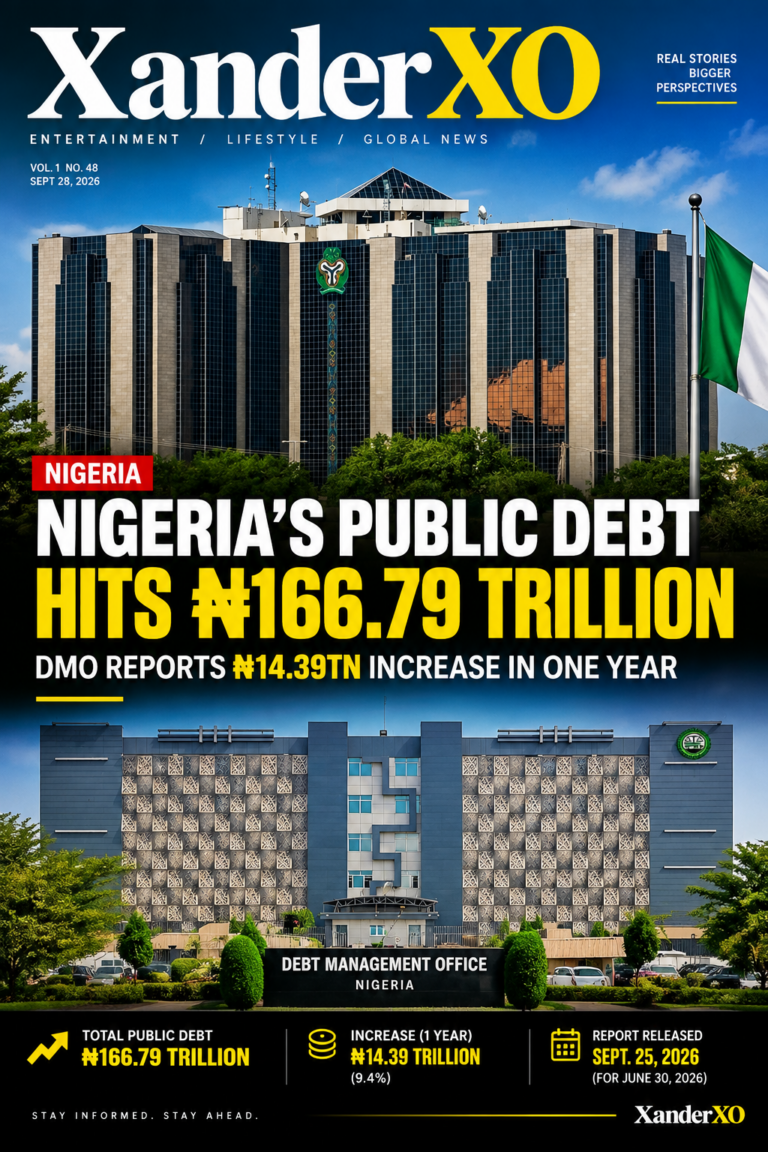
🇳🇬 NIGERIA’S PUBLIC DEBT HITS ₦166.79 TRILLION AS DEBT STOCK RISES BY ₦14.39 TRILLION IN ONE YEAR
Nigeria’s total public debt stock rose to ₦166.79 trillion as of June 30, 2026, according to the latest figures released by the Debt Management Office (DMO). The DMO published the debt report on September 25, 2026, showing that the country’s debt increased from ₦152.40 trillion in June 2025 to ₦166.79 trillion a year later —…
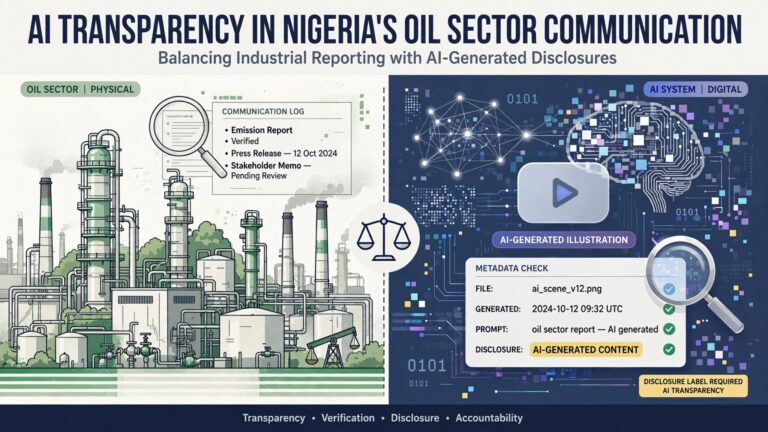
AI-Generated Video and Nigeria’s Oil Sector: Transparency Concerns in Public Communication
A report about criticism surrounding an AI-generated video linked to communication on Nigeria’s oil sector has renewed discussion about transparency in the use of artificial intelligence in public communication. The issue highlights the challenges that can arise when synthetic images, voices or videos are used to explain government policies or communicate information about important national…
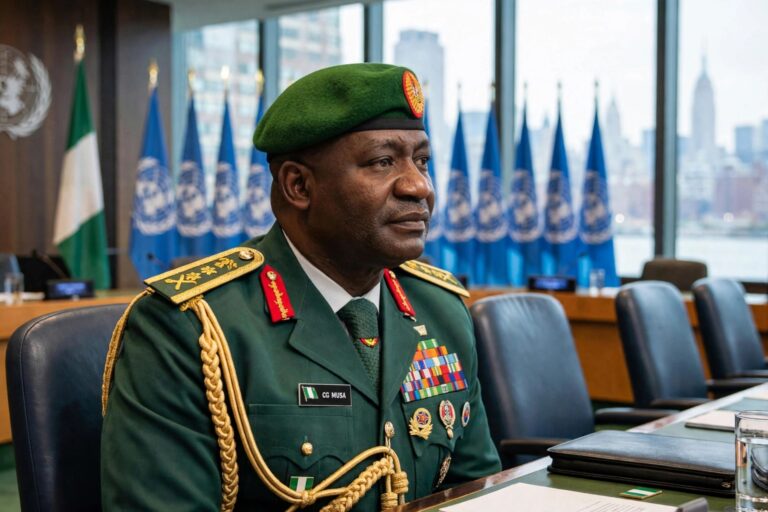
NIGERIA SEEKS STRONGER GLOBAL SUPPORT AGAINST TERRORISM AND BANDITRY
Nigeria is seeking stronger international cooperation to tackle terrorism, banditry, kidnapping and other security threats affecting the country. Minister of Defence Christopher Musa has called for greater cooperation between Nigeria and international partners as the government continues its efforts to improve national security. The minister made the call during engagements connected to the 81st United…
UBA ENABLES GOOGLE PAY FOR ELIGIBLE CARDHOLDERS IN NIGERIA
United Bank for Africa has enabled Google Pay for eligible cardholders, offering another digital payment option for customers in Nigeria. The development follows the announcement that Google Wallet and Google Pay became available in Nigeria from October 28, according to Google’s official blog. Google Pay allows users with supported payment cards and compatible devices to…
37 Suspected Illegal Miners Die in NSCDC Custody as Niger Orders Investigation
A major investigation has been launched in Niger State after 37 people suspected of illegal mining reportedly died while in the custody of the Nigeria Security and Civil Defence Corps (NSCDC). The victims were among people arrested during enforcement operations targeting suspected illegal mining activities around the M.I. Wushishi/Lukoto area of Minna on September 15…