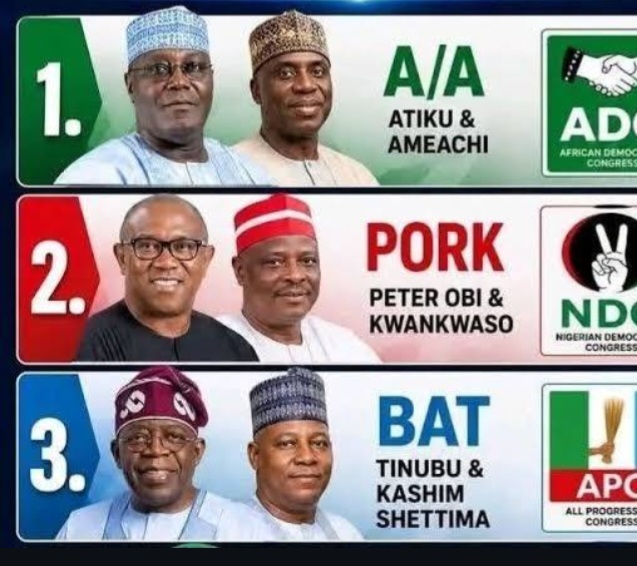
Political manoeuvring ahead of Nigeria’s 2027 general elections is drawing increased attention as political leaders, party organisations and potential candidates position themselves for the contests ahead. President Bola Ahmed Tinubu is expected to remain a central figure in discussions about the next presidential election, while activities across the political landscape continue to shape expectations about party alliances and the distribution of political influence. The developing contest is taking place against the backdrop of public concerns about living costs, economic reforms, security and the performance of government institutions. Although political endorsements and alliances can influence campaign momentum, they do not by themselves determine the outcome of an election. As the election approaches, political actors are likely to intensify consultations with party leaders, elected officials, interest groups and potential supporters. Such discussions can influence campaign organisation, candidate selection and the direction of party strategy. Political alliances are particularly important in Nigeria’s competitive electoral environment, where parties seek to build support across different regions and demographic groups. However, alliances can also produce internal disagreements when political interests conflict or when stakeholders differ over candidate selection and campaign priorities. The strength of any emerging coalition will depend on whether its members can maintain a common position and mobilise voters beyond their immediate political networks. For President Tinubu, the road to the next election is likely to involve continued debate over the policies and decisions of his administration. Supporters may point to government programmes, infrastructure projects and efforts to stabilise the economy as reasons to support continuity. Critics, meanwhile, are likely to focus on the effect of economic reforms on households, the cost of transportation, employment opportunities and the government’s response to insecurity. The extent to which voters believe their living conditions have improved could become an important consideration during the campaign. Political messaging may influence public discussion, but voters will also assess the practical consequences of government policies in their communities. Opposition parties seeking to challenge the ruling party will need to establish clear policy positions and credible campaign structures. Their ability to coordinate, resolve internal disputes and present a convincing alternative could influence the competitiveness of the election. Political parties must also contend with questions about candidate credibility, funding, grassroots organisation and voter engagement. Where opposition groups remain divided, they may find it harder to convert public dissatisfaction into coordinated electoral support. However, the final political picture will depend on developments over the coming months and the choices made by party members and voters. Economic conditions are likely to occupy a prominent place in the election debate. Households facing pressure from food prices, rent, transport expenses and other essential costs will want candidates to explain how their policies would improve daily life. Employment, education, healthcare and access to reliable electricity are also likely to feature in public discussions. Security is another significant concern. Voters will be interested in how candidates intend to address violent crime, kidnappings, communal conflicts and other threats to public safety. Campaign promises will be judged not only by their ambition but also by their feasibility and the credibility of the people making them. The Independent National Electoral Commission will have a central responsibility in organising the election and communicating the applicable electoral procedures. Public confidence will depend partly on the transparency of the process, the accuracy of voter information, the handling of disputes and the commission’s ability to administer the election in accordance with the law. Political parties and candidates will also have responsibilities, including compliance with electoral rules and discouraging violence among supporters. A peaceful and credible election requires institutions and political actors to respect established procedures, even when outcomes are disputed. As the election approaches, Nigerians can expect further political consultations, campaign announcements, policy debates and possible changes in party alignments. Nevertheless, early endorsements should not be mistaken for guaranteed electoral victories. Ultimately, voters will have to assess the candidates, their records, their proposals and their capacity to address the country’s challenges. The 2027 contest will be about more than political alliances. Its outcome will also reflect how Nigerians judge the economy, security and the performance of those seeking their votes.
Similar Posts
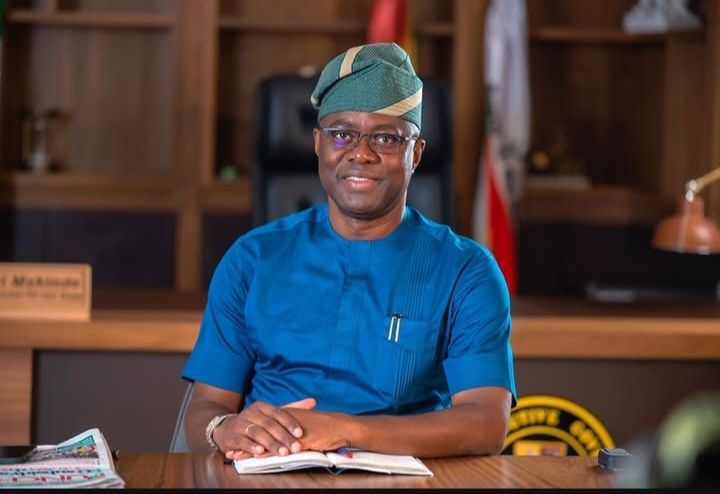
2027: MAKINDE’S CAMP PREDICTS TINUBU COULD LOSE IN 12 STATES
The campaign organisation backing Seyi Makinde has predicted major electoral challenges for President Bola Tinubu, citing economic hardship and growing public dissatisfaction. The political contest ahead of Nigeria’s 2027 general elections has intensified after the campaign organisation associated with Seyi Makinde predicted that President Bola Ahmed Tinubu could lose in 12 states. The group, associated…
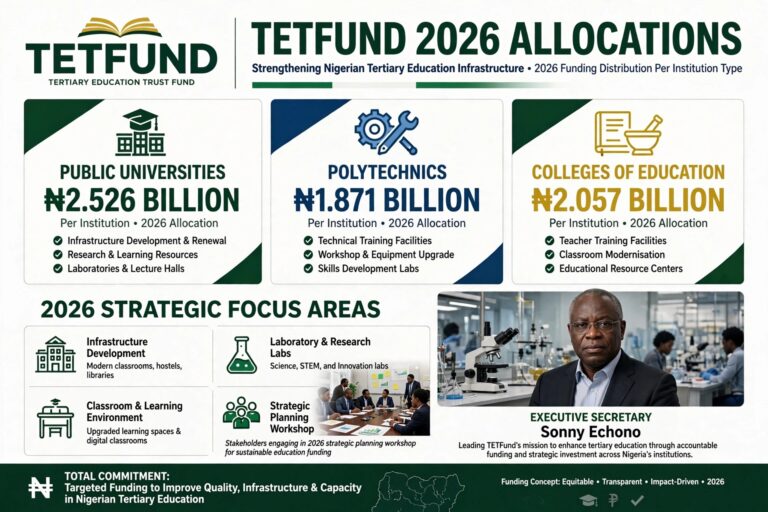
TETFUND’S 2026 ALLOCATIONS PUT BILLIONS OF NAIRA TOWARDS PUBLIC TERTIARY EDUCATION
The Tertiary Education Trust Fund (TETFund) has outlined its 2026 intervention allocations for public universities, polytechnics and colleges of education as part of efforts to support tertiary education infrastructure and academic development. According to information attributed to TETFund, each public university was allocated approximately ₦2.526 billion under the 2026 intervention programme. Polytechnics were allocated approximately…
Nigerian Programmer Makes History, Wins Silver at International High-Tech Championship in Russia
A Nigerian software programmer, Olaniran Taiwo Sikiru, has secured a silver medal at an international high-tech championship in Russia. Sikiru finished second in the Quality Control Specialist for Transport Logistics Processes category at the High-Tech Championship Final held in Veliky Novgorod. The competition took place from September 14 to 18, 2026, bringing together more than…
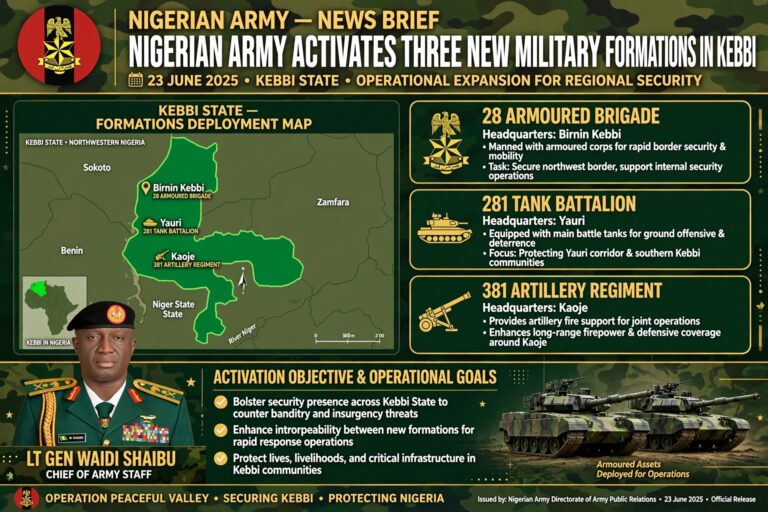
Nigerian Army Activates Three New Military Formations in Kebbi
The Nigerian Army has operationalised three new military formations in Kebbi State as part of efforts to strengthen security operations and tackle banditry in the North-West. The formations are the 28 Armoured Brigade and Garrison in Birnin Kebbi, the 281 Tank Battalion in Yauri and the 381 Artillery Regiment in Kaoje. The operationalisation is part…
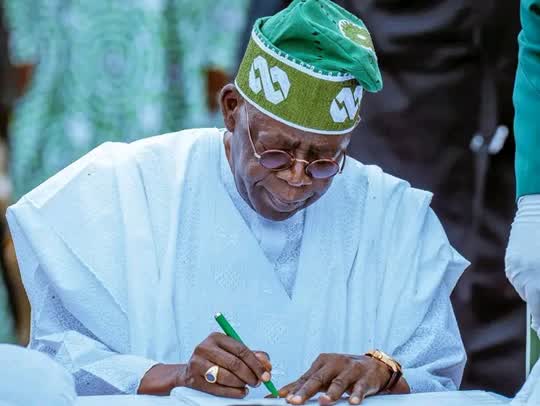
Tinubu Seeks National Assembly Approval for $20.52bn and €1.045bn External Loans
“President Bola Tinubu has asked the National Assembly to approve approximately $20.52 billion and €1.045 billion in external borrowing to finance development projects across Nigeria. Lawmakers are expected to examine the proposal.”
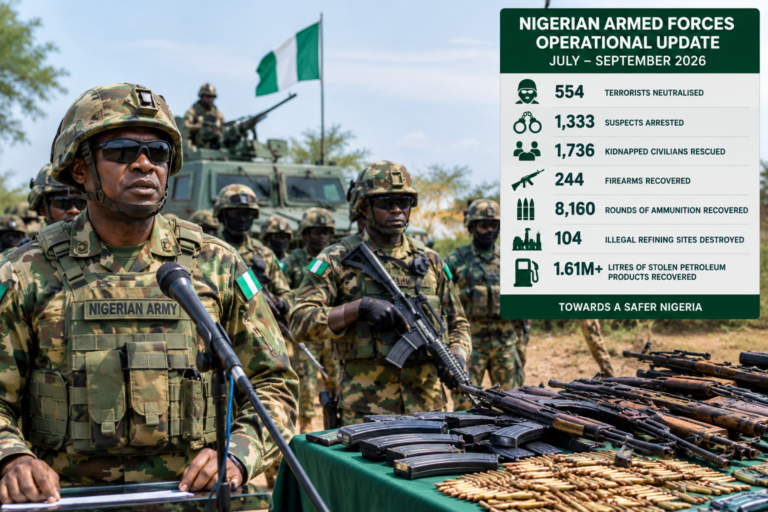
Army Reports Major Gains as 554 Terrorists Are Neutralised in Three Months
The Nigerian Armed Forces have reported significant military operations across the country, saying troops neutralised 554 terrorists between July and September 2026. The figures were disclosed by the Director of Defence Media Operations, Major General Michael Onoja, during a Defence Headquarters briefing in Abuja on Thursday. According to the military, troops also arrested 1,333 suspects…