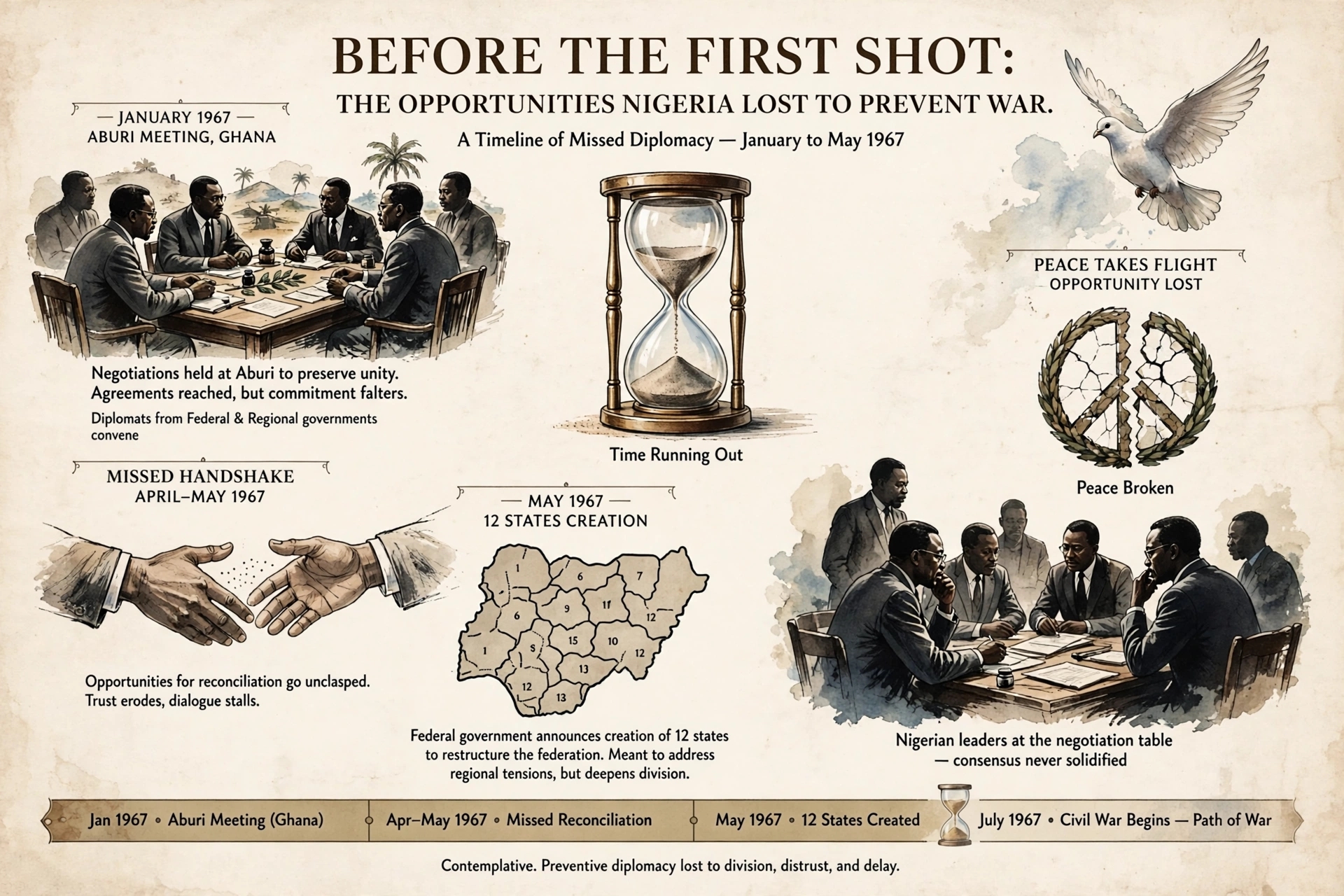
Wars are often remembered through their most dramatic moments: the declaration of hostilities, the first gunshots, the advance of armies and the eventual surrender of one side. Yet the most important lessons of many conflicts lie in the days and months before the fighting begins, when peaceful alternatives still exist, the Nigerian Civil War offers a sobering example. The conflict began in July 1967, but Nigeria’s descent into war had been preceded by years of political instability, military interventions, ethnic violence, mass displacement and failed efforts to rebuild trust. Nigeria’s independence in 1960 had created enormous expectations. A country of considerable human and natural resources appeared capable of becoming a leading African democracy. However, its early political system struggled with regional competition, disputes over representation and disagreements about the distribution of power. The January 1966 coup disrupted the constitutional order. The July 1966 counter-coup further destabilised the country, while violence against people of Eastern Nigerian origin in parts of the North led to mass displacement and deepened fear among affected communities, the crisis was not simply a disagreement among political leaders. It was a humanitarian and national emergency involving the safety of ordinary people who feared for their lives. Attempts were made to resolve the political breakdown through negotiation. The Aburi meeting in Ghana in January 1967 brought Nigerian military leaders together to discuss the country’s future. However, disagreements over the interpretation and implementation of the understandings reached there remained unresolved. In May 1967, Gowon’s government announced the creation of 12 states, a move that altered the country’s political structure and was viewed differently by competing political interests. On May 30, Ojukwu declared the independence of Biafra. Federal military action followed in July, and a full-scale war developed. The historical record is complex, and no single decision explains the entire conflict. Nevertheless, the sequence of events illustrates the danger of allowing political grievances, insecurity and mutual suspicion to grow without a trusted mechanism for resolving them. Could the war have been prevented? No responsible historical analysis can claim certainty about an alternative outcome. But the history provides reasons to examine the opportunities for de-escalation that were lost. Credible dialogue requires more than bringing political leaders into the same room. It requires clear agreements, mutual trust, good-faith implementation and institutions capable of addressing disputes when interpretations differ. Peace also depends on protecting civilians. When people are attacked because of their ethnicity or perceived political identity, governments must respond promptly and impartially. Silence or selective protection can deepen the belief that the state belongs to some citizens more than others. Another lesson is that national unity cannot be maintained through slogans alone. Citizens must believe that their lives, rights and interests matter within the national community. Nigeria today faces security challenges that differ substantially from those of the 1960s. Nevertheless, the need for responsible leadership, inclusive governance and early intervention remains relevant. Political disagreements should not be allowed to become existential battles in which every compromise is treated as surrender. Leaders must avoid rhetoric that portrays entire communities as enemies, while citizens must reject collective blame and the celebration of violence, institutions responsible for mediation, conflict prevention and justice need sufficient independence and credibility to act before crises become uncontrollable. Historical remembrance must also recognise the victims. Behind every military campaign were families who lost loved ones, children who experienced hunger, communities that were displaced and survivors who carried the consequences for decades. The purpose of examining the period before the Civil War is not to pretend that history could easily have taken a different path. It is to recognise that political decisions have human consequences and that leaders have a responsibility to explore peaceful alternatives before violence becomes irreversible. The greatest victory is not always the defeat of an enemy on the battlefield. Sometimes, it is the wisdom to prevent a battlefield from being created in the first place.
Similar Posts
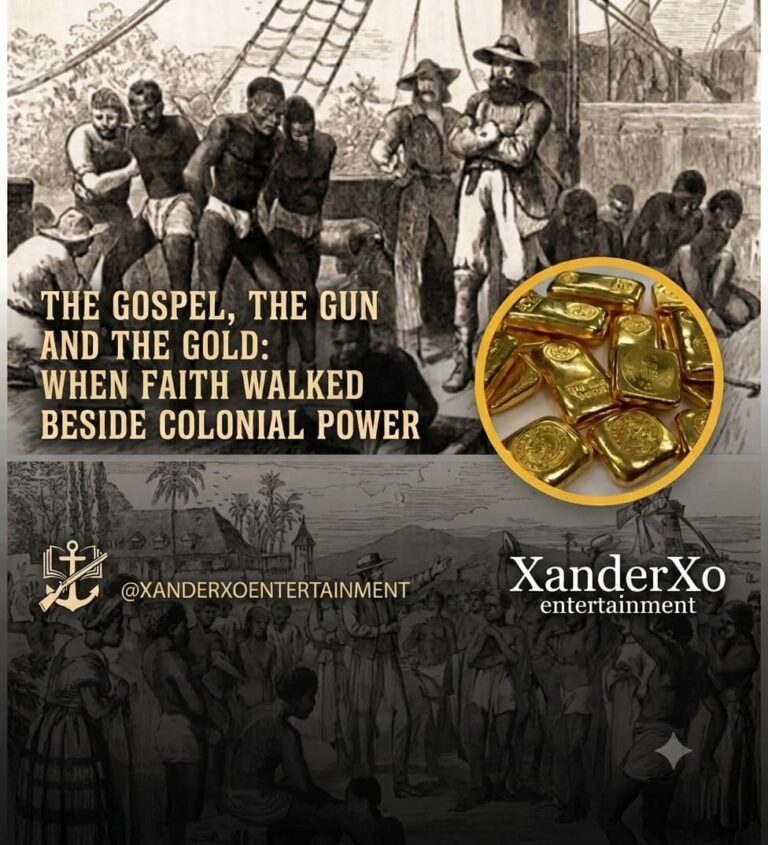
THE GOSPEL, THE GUN AND THE GOLD: WHEN FAITH WALKED BESIDE COLONIAL POWER
History is rarely as simple as the stories we inherit.When European missionaries arrived in different parts of Africa, they came carrying more than Bibles. They brought schools, churches, new systems of education and, in many places, a religious message that would permanently reshape African societies.But Christianity did not enter a political vacuum.Its expansion frequently occurred…
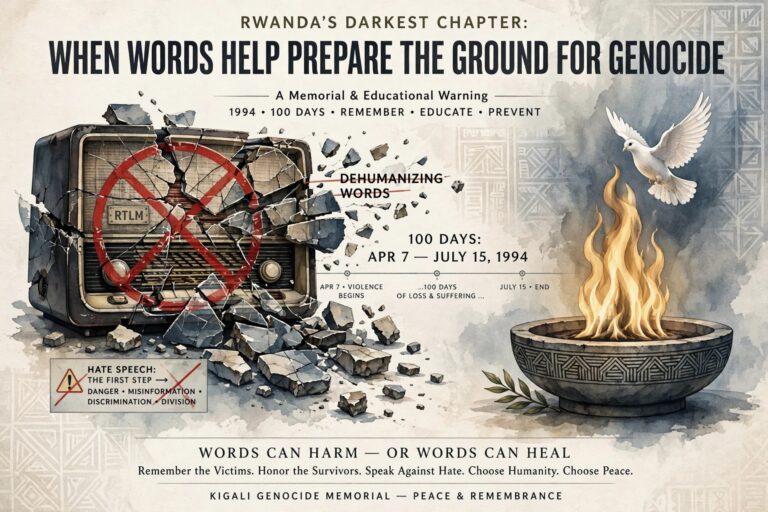
RWANDA’S DARKEST CHAPTER: WHEN WORDS HELP PREPARE THE GROUND FOR GENOCIDE
Genocide does not begin only when people are killed. Long before mass violence reaches its most horrific stage, societies may experience the spread of dehumanising language, organised propaganda, political manipulation and the gradual normalisation of hatred. The 1994 genocide against the Tutsi in Rwanda remains one of the clearest and most painful demonstrations of this…
BEYOND COMPLAINTS
HOW YOUNG NIGERIANS CAN HELP BUILD THE CHANGE THEY WANT TO SEE. Young people are often the most vocal about the challenges facing their country, ranging from unemployment and economic hardship to corruption, insecurity, and poor leadership.They complain and raise concerns to express their dissatisfaction and how they want things to be better.While these concerns…
LIFE IN GENERAL, LIFE IN PARTICULAR
Life, as we all know, is unpredictable. It has no manual. Everyone seems to be existing, but not really living. We are trying to survive, trying to make ends meet, and trying to figure things out. And somehow, we are all pretending to be fine, the rich, the poor, and everyone in between. Sometimes, I…
When Ile-Ife Becomes a Living Story: Inside the Ancient Olojo Festival
There is a particular kind of anticipation that comes over Ile-Ife when Olojo draws near. It is not simply the excitement that comes with a festival, for the people of the ancient city, Olojo is a period when history, royalty, spirituality and cultural identity seem to come together in one place. This year, the atmosphere…
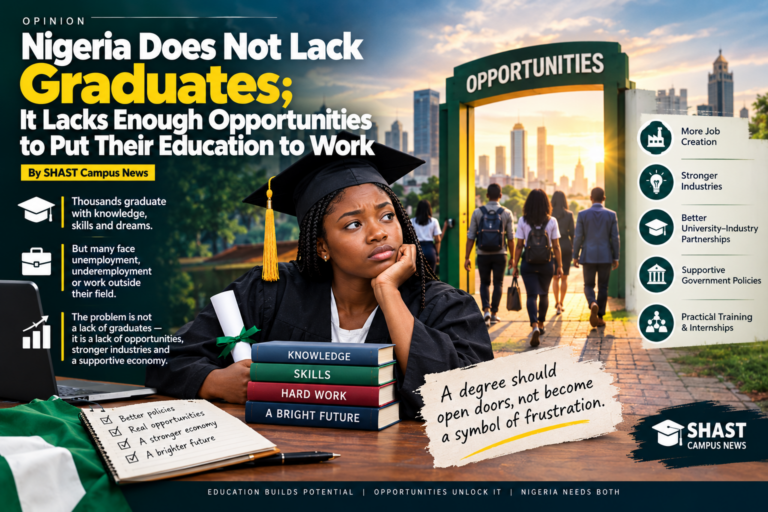
NIGERIA DOES NOT LACK GRADUATES; IT LACKS ENOUGH OPPORTUNITIES TO PUT THEIR EDUCATION TO WORK
Every year, thousands of Nigerians graduate from universities with hopes of securing meaningful employment, becoming financially independent, and building better futures. Families sacrifice their resources to support their education, believing that a degree will open doors to opportunity. Yet, for many graduates, the journey becomes more difficult after graduation. Finding suitable employment can be challenging,…