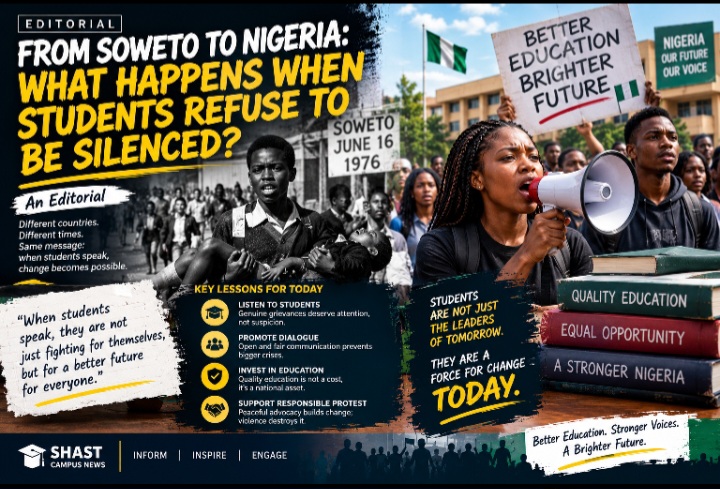
Students are often described as the leaders of tomorrow. Yet history repeatedly demonstrates that young people can also be among the most important voices challenging injustice today. The Soweto uprising of June 16, 1976, remains a powerful example of students confronting a government policy they regarded as discriminatory and oppressive, the protests began in Soweto, a Black township near Johannesburg, South Africa, during the apartheid era. Students opposed the compulsory use of Afrikaans as a medium of instruction for certain subjects in Black schools under the education system imposed by the apartheid government. For the students, the language policy was not merely an academic inconvenience. It formed part of a wider system that provided unequal education and restricted opportunities for Black South Africans. On June 16, thousands of students took to the streets in protest. Police responded with force, and the demonstrations developed into a major confrontation. Hector Pieterson, a 12-year-old student, became one of the most enduring symbols of the uprising after being fatally shot during the violence. The protests spread beyond Soweto and became an important turning point in resistance to apartheid. The scale of the unrest exposed the deep resentment generated by racial discrimination and helped draw greater international attention to the South African government’s policies, the uprising did not end apartheid immediately. The system survived for years, and the struggle against it continued through protests, political organising, international pressure and negotiations. Nevertheless, Soweto became a defining moment in the history of youth resistance, its relevance today extends beyond South Africa. Education is one of the most powerful tools through which societies prepare citizens for meaningful participation in economic and political life. When education systems are underfunded, unequal or disconnected from the needs of students, the consequences can extend far beyond classrooms. In Nigeria, students have legitimate reasons to demand reliable academic calendars, adequately equipped institutions, affordable education and transparent administration. Prolonged industrial disputes, poor infrastructure, inadequate learning resources and financial pressures can disrupt academic progress and place additional burdens on families. However, the lessons of Soweto should not be reduced to the idea that every student protest is automatically justified or that confrontation is the only route to change, the central lesson is that authorities must listen to legitimate grievances and treat students as stakeholders in educational policy. When peaceful complaints are repeatedly ignored, public frustration can deepen and institutional trust can deteriorate. Student leaders, in turn, must organise responsibly, communicate demands clearly and pursue lawful forms of advocacy. Protest should not become an excuse for violence, intimidation or the destruction of public property. Universities and other educational institutions should also create effective channels for resolving disagreements before they escalate. Students need to know that complaints can be heard, investigated and addressed through transparent procedures. Governments must understand that educational investment is not simply a budgetary expense. It is an investment in national productivity, scientific capacity, civic participation and future leadership, the Soweto uprising also reminds society that young people are not merely passive recipients of government decisions. Their experiences can reveal problems that administrators and policymakers fail to recognise. When students speak about inaccessible education, inadequate facilities or policies that threaten their future, the proper response is not automatic suspicion. It is careful examination of their claims and a willingness to correct genuine failures. Historical comparisons must be made responsibly. Nigeria’s contemporary education challenges differ substantially from the racial oppression that shaped Soweto in 1976. The situations are not identical, but both histories demonstrate why education policy deserves public scrutiny. The students of Soweto showed that young voices can challenge powerful institutions. The lesson for today’s leaders is simple: a society that listens to its students strengthens its future, while one that consistently dismisses them risks turning preventable grievances into lasting crises.
Similar Posts
The Wrong Train: AEFUNAI SUG Director Of Welfare Ovu Obinna Peter Shares a Powerful Message About Knowing When to Walk Away
Sen. Ovu Obinna Peter, SUG Director of Welfare, shares a powerful message about knowing when to walk away from the wrong situations, embracing personal growth, and finding the courage to choose a better path.
THE GENERATION THAT KNOWS EVERYTHING BUT UNDERSTANDS NOTHING: ARE WE BECOMING MORE INFORMED OR SIMPLY MORE DISTRACTED?
We live in a generation where information is everywhere, yet genuine understanding appears increasingly difficult to find. A person can wake up, scroll through social media for twenty minutes and encounter political arguments, celebrity controversies, relationship advice, financial lessons, religious debates, breaking news and opinions about almost every subject imaginable. Within a few minutes, they…
Sava Emerges from Stealth With $10 Million to Modernise Trust Administration
Sava, a next-generation trust company, has emerged from stealth with $10 million in funding to simplify trust creation and administration through modern software infrastructure. Investors Back Sava’s Vision The funding round was led by Gradient Ventures, with participation from Y Combinator, SV Angel, Instacart co-founder Max Mullen, Orange Collective, SurgePoint Capital and Tekedia Capital. The…
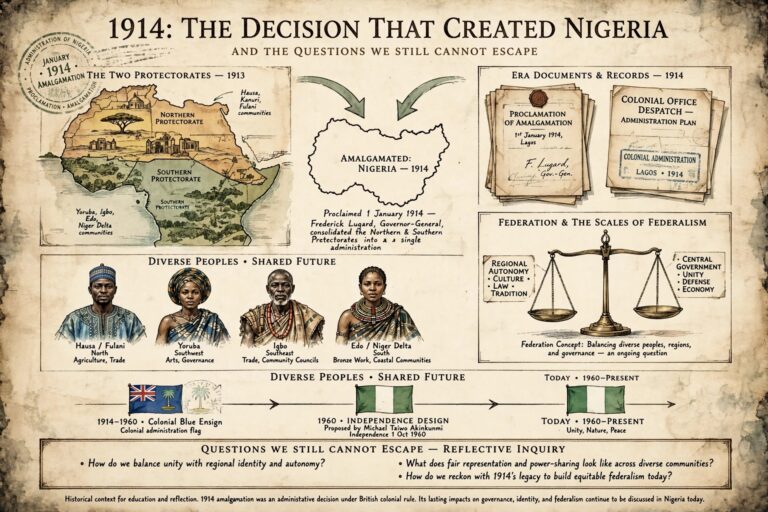
1914: THE DECISION THAT CREATED NIGERIA AND THE QUESTIONS WE STILL CANNOT ESCAPE
Few dates occupy as important a place in Nigeria’s political history as January 1, 1914. On that day, the British colonial administration amalgamated the Northern and Southern Protectorates, bringing the territories under a single colonial administration known as Nigeria. More than a century later, the decision continues to shape discussions about national identity, federalism, political…
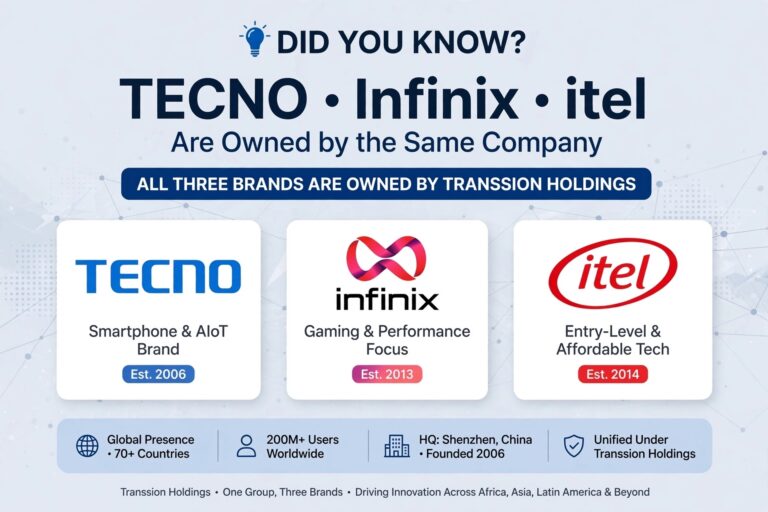
Did You Know TECNO, Infinix and itel Are Owned by the Same Company?
If you have ever used a TECNO, Infinix or itel phone, you might be surprised to discover that the three brands are actually part of the same company.Behind these familiar names is Transsion Holdings, a Chinese technology company that operates several brands targeting different markets and types of consumers One Company, Different Brands Transsion’s smartphone…
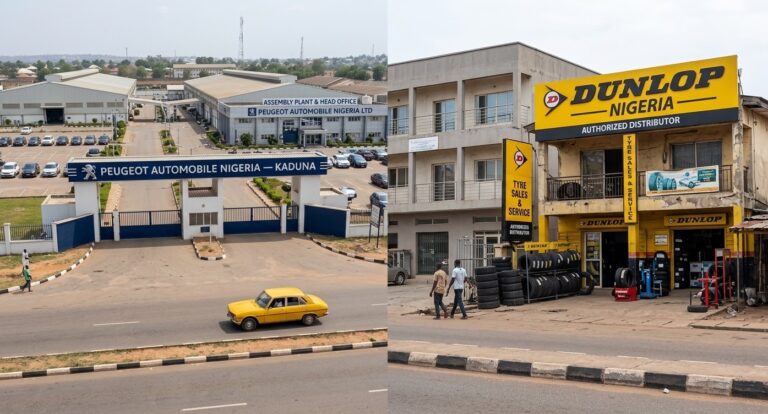
BEFORE THE FACTORIES WENT SILENT: 5 NIGERIAN INDUSTRIAL GIANTS THAT ONCE EMPLOYED THOUSANDS
There was a time when Nigeria wasn’t just a huge market for imported products. The country had factories producing cars, tyres, shoes, paper and textiles with thousands of Nigerians working in them.Here are five companies that tell the story of that era.