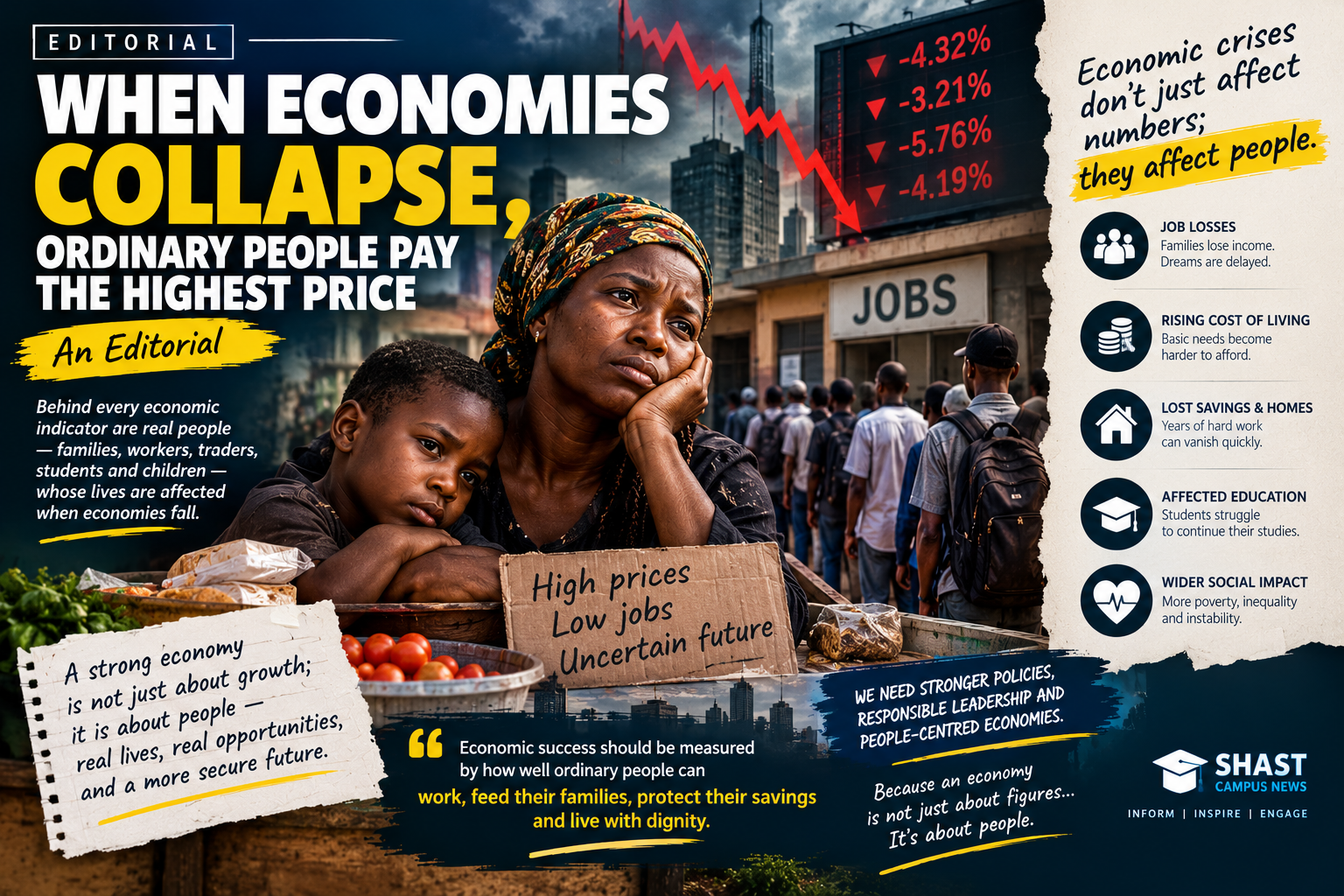
Economic crises are frequently discussed through statistics: falling markets, declining production, rising unemployment, shrinking national income and increasing government debt. Yet behind every economic indicator are human beings whose lives can be transformed by decisions they had little power to influence. The Great Depression, which began in 1929 and continued through much of the 1930s, remains one of the most important examples of how economic collapse can destabilise societies and expose weaknesses in public policy. The crisis followed a period of economic expansion during the 1920s, particularly in the United States. Speculation in financial markets, vulnerabilities in the banking system, unequal economic conditions and other structural weaknesses contributed to the instability. The Wall Street stock market crash of October 1929 became a defining moment, but it was not the sole cause of the Great Depression. The economic collapse deepened through a combination of financial failures, declining demand, falling production, banking crises and policy mistakes, businesses closed, banks failed and unemployment rose dramatically. Families lost savings and homes, while workers who had depended on regular wages struggled to obtain food and other necessities, the crisis spread internationally through trade and financial connections. Countries experienced different levels of hardship, but the broader effects were devastating. The Depression also exposed the limitations of governments that failed to respond adequately to mass unemployment and economic distress. In the United States, President Franklin D. Roosevelt’s New Deal programmes introduced a range of relief, recovery and reform measures beginning in 1933, these policies did not instantly end the Depression, and historians continue to debate the relative importance of different economic developments in the recovery. Nevertheless, the period helped reshape discussions about the responsibilities of governments during severe economic crises. The Great Depression also contributed to political instability in several countries, although its consequences varied according to local conditions. It demonstrated that prolonged economic hardship can weaken public confidence in institutions and create opportunities for political extremism, the lessons remain relevant in the modern world. Economic policy should not be evaluated solely by the performance of stock markets, government revenue or headline growth figures. Policymakers must also consider employment, household purchasing power, access to basic services and the ability of vulnerable people to withstand shocks. A growing economy can still leave many citizens behind if the benefits are concentrated among a small section of society. Likewise, policies intended to improve long-term stability may impose severe short-term burdens on households if they are implemented without adequate safeguards. Nigeria’s economic challenges make this question particularly important. Inflation, high living costs, exchange-rate pressures and limited employment opportunities can make daily survival difficult for households with little financial protection. Addressing these challenges requires credible economic management, productive investment, support for small businesses, infrastructure development and policies that expand opportunities for decent work. Governments must also communicate honestly about the costs and expected benefits of their decisions. Public trust is difficult to sustain when citizens experience hardship but receive little clear information about the objectives, timelines or safeguards associated with economic reforms. At the same time, governments cannot solve every economic problem through spending alone. Fiscal responsibility, efficient public administration, transparent procurement and careful evaluation of policy outcomes are essential. The Great Depression reminds us that economic systems are not abstract machines operating independently of society. They are networks of institutions, businesses, workers and families whose fortunes are interconnected. Preventing severe economic crises requires sound regulation, responsible lending, effective financial supervision and timely intervention when systemic risks emerge. Protecting people during downturns requires social policies capable of preventing temporary hardship from becoming permanent deprivation, an economy cannot be called successful simply because the numbers look impressive. Its success must also be measured by whether ordinary people can find work, feed their families, protect their savings and live with dignity when difficult times arrive.
Similar Posts
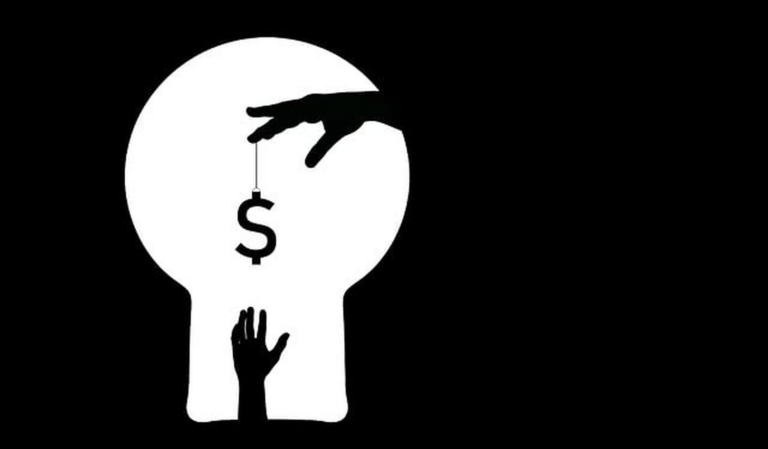
Broke People Don’t Get to Philosophise About Money(So I Did It for Us)
I was having a conversation with a friend and I realised everything we talked about revolved around money. For any of our plans to work or even fail, it needed money. It got me thinking: how did the world become so dependent on money, or its modern equivalents? How did power get so tightly attached…
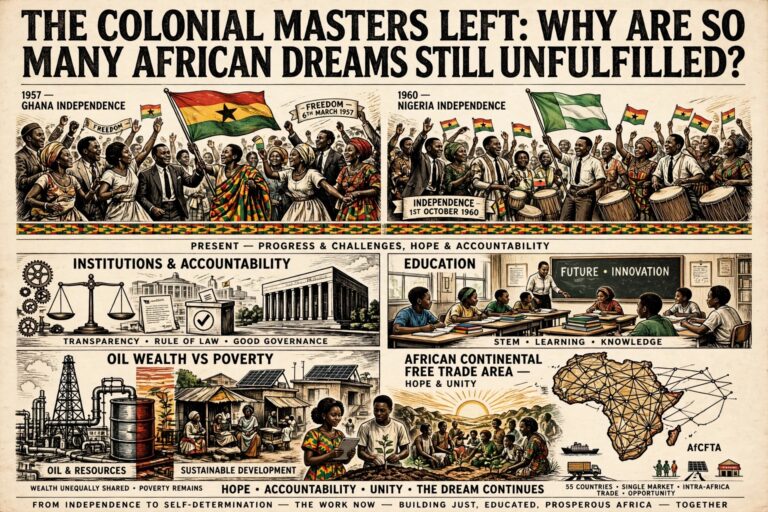
THE COLONIAL MASTERS LEFT: WHY ARE SO MANY AFRICAN DREAMS STILL UNFULFILLED?
When African countries began gaining independence in the mid-twentieth century, the moment carried enormous expectations. Political freedom promised the opportunity to determine national priorities, build institutions, expand education and use domestic resources for the benefit of citizens. Yet decades after the end of formal colonial rule, many African countries continue to struggle with poverty, unemployment,…
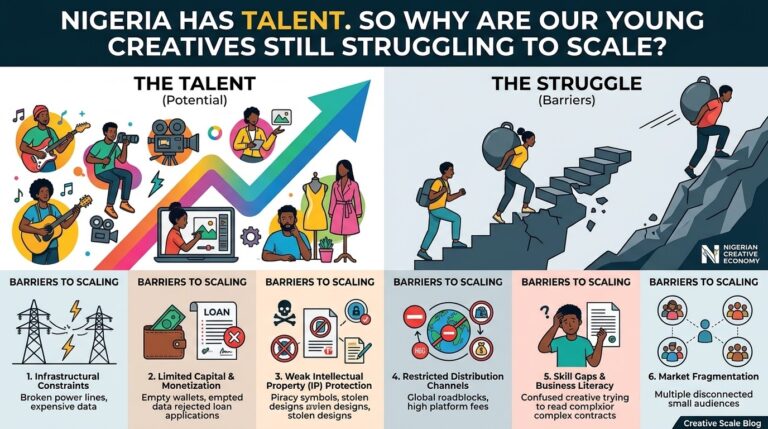
Nigeria Has Talent. So Why Are Our Young Creatives Still Struggling to Scale?
There is probably a Nigerian student somewhere right now with a song sitting unfinished on their phone.Another has a business idea but no money to start it. Someone else knows how to take amazing pictures but cannot afford a proper camera. A young filmmaker has the ideas but no equipment, while another talented creator is…
How to Apply for the US Army as a Non-Citizen in 2026: Requirements, Green Card & Citizenship Process
Many Nigerians and other foreigners ask if it’s possible to join the United States Armywithout being a U.S. citizen.The short answer is yes, but with conditions. You don’t need to be a U.S. citizen to enlist, but you must be a legal U.S. resident. According to U.S. Army recruiting guidelines, non-citizens must meet these requirements:…
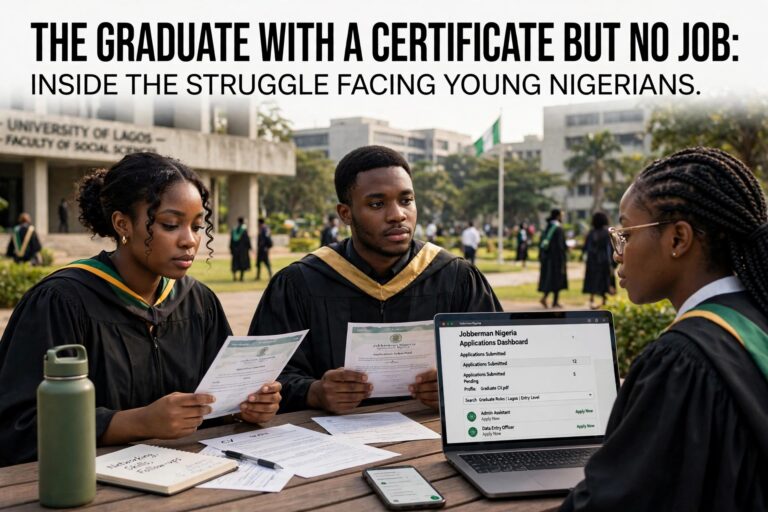
THE GRADUATE WITH A CERTIFICATE BUT NO JOB: INSIDE THE STRUGGLE FACING YOUNG NIGERIANS
Graduation is often presented as the beginning of a brighter chapter. After years of lectures, examinations, assignments, financial sacrifices, and personal challenges, obtaining a university degree is expected to bring a sense of achievement and open the door to new opportunities. For many Nigerian graduates, however, the period after graduation can introduce a different kind…
The Wrong Train: AEFUNAI SUG Director Of Welfare Ovu Obinna Peter Shares a Powerful Message About Knowing When to Walk Away
Sen. Ovu Obinna Peter, SUG Director of Welfare, shares a powerful message about knowing when to walk away from the wrong situations, embracing personal growth, and finding the courage to choose a better path.